January to March: The coolest, driest, most comfortable window Nha Trang produces
January to March is when Nha Trang makes its best argument. Temperatures between 22 and 27 degrees during the day. February averages only 15mm of rainfall for the entire month, the driest reading of any Vietnamese coastal city in this window. The sea is calm. The humidity is at its annual low. The sky above the bay is the clearest it gets. If you are coming specifically for the beach, the diving, or the specific combination of sunshine and comfortable temperature that makes a sea holiday feel right, this is the window.
The beach in this window
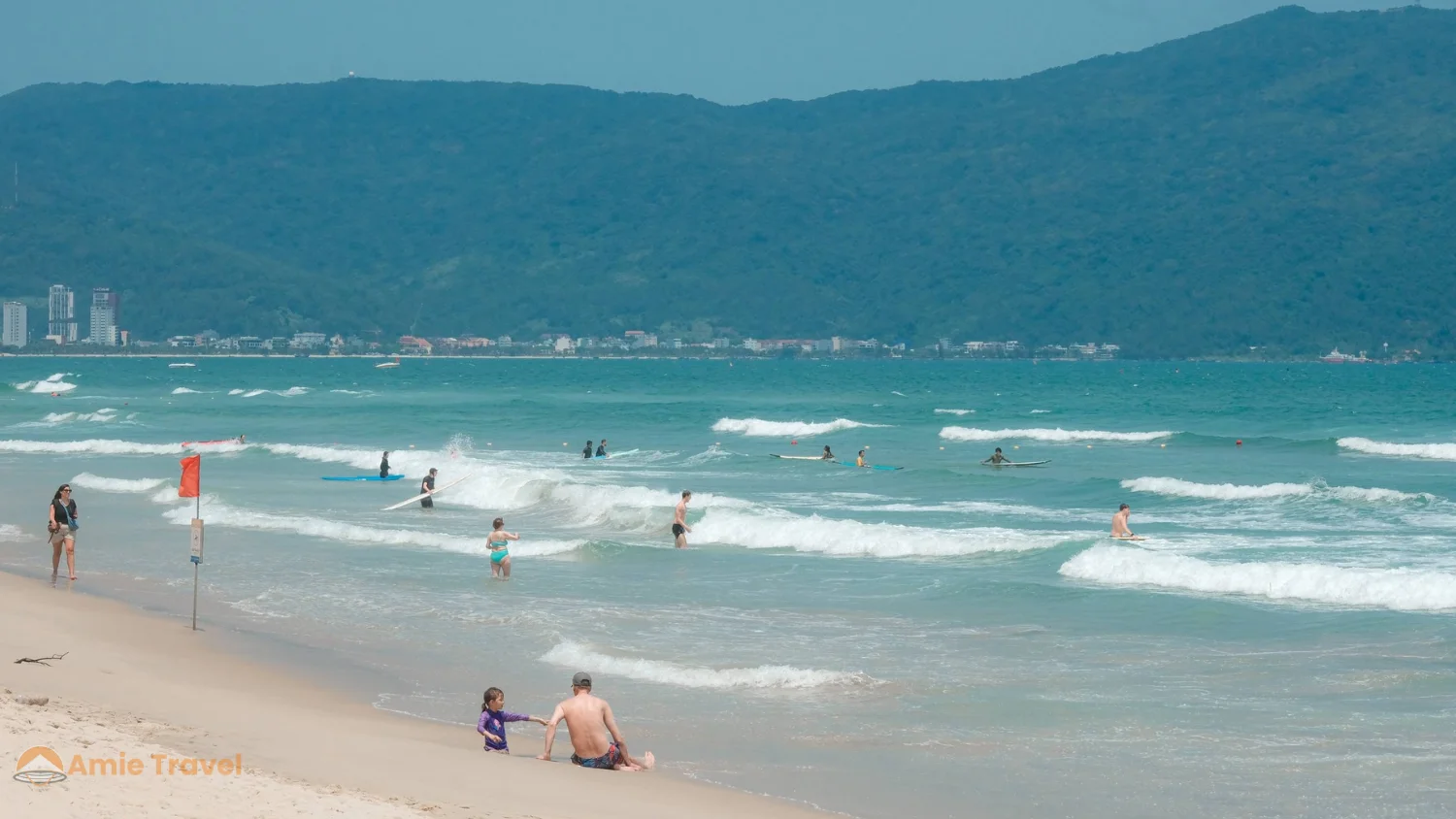
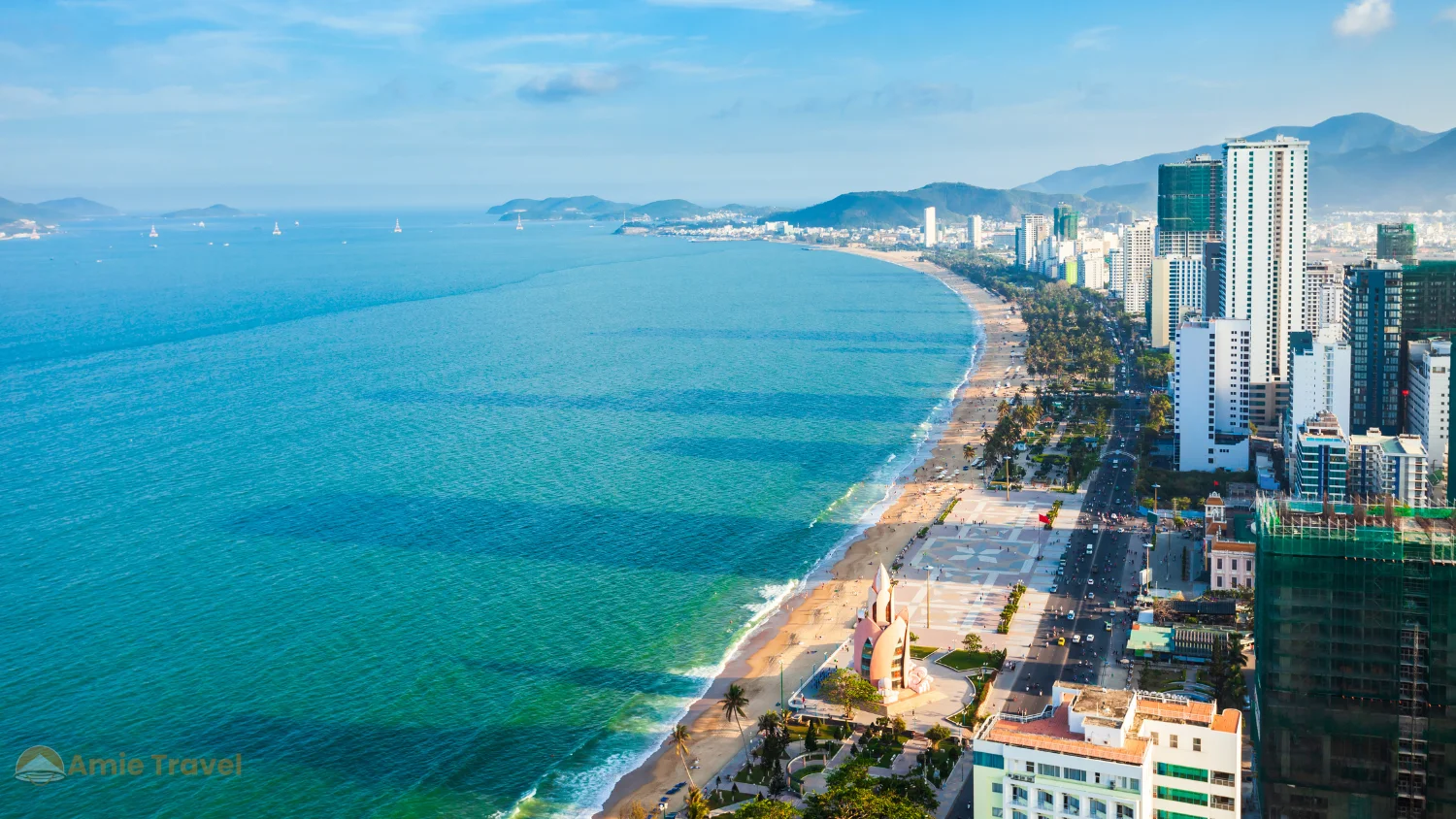
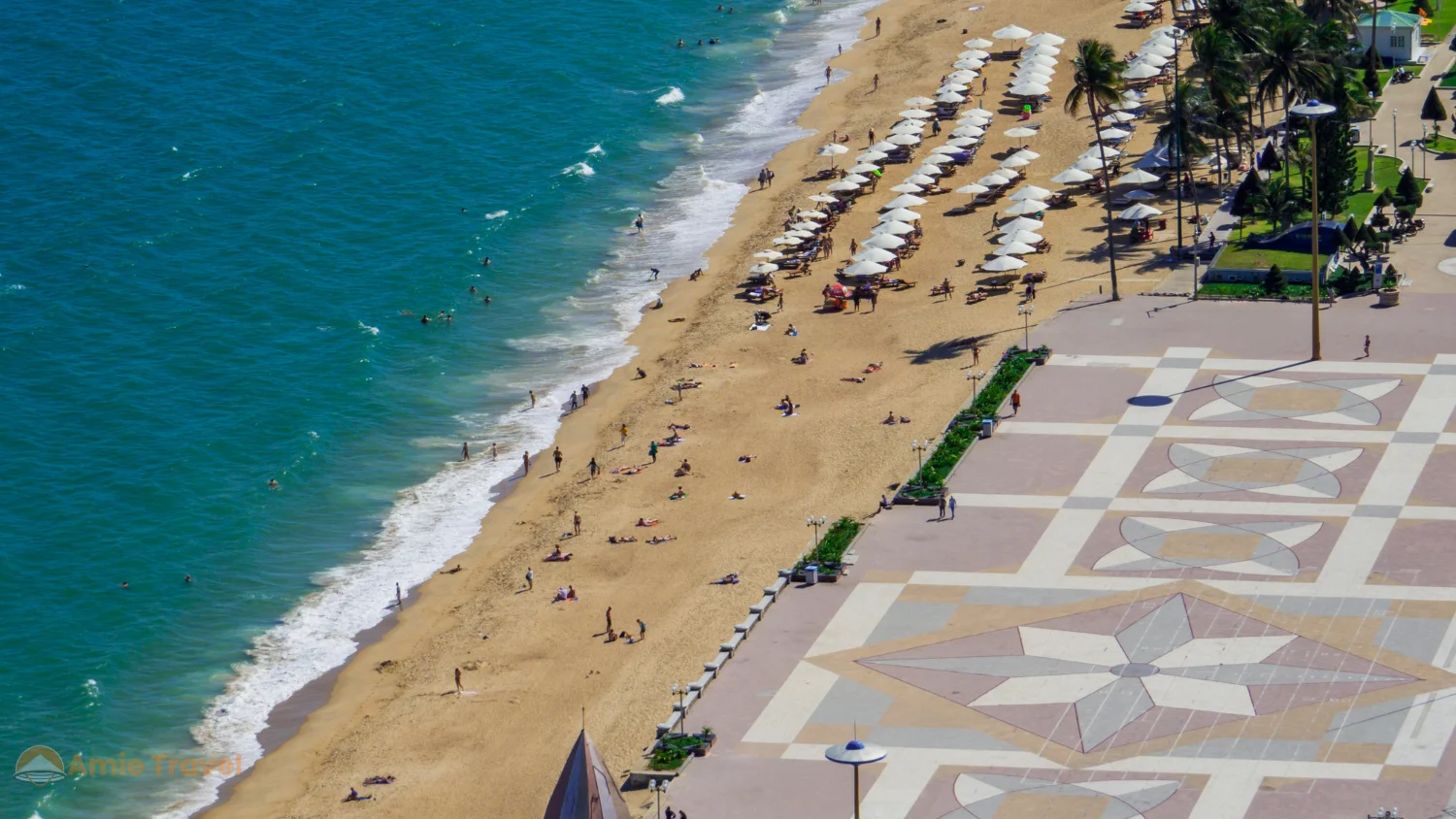
Tran Phu Beach, the six-kilometer main city beach, is at its clearest water quality from January through March. The calm northeast trade winds that arrive in January have settled and the sea surface in the bay has the specific flatness that makes swimming and snorkeling feel effortless rather than effortful. Doc Let Beach, approximately 60 kilometers north of the city, is one of the most beautiful stretches of coastline in the south-central region: long white sand, shallow turquoise water, and very few visitors compared to the main city beach. It is most accessible and most rewarding in dry season conditions when the road north is clear and the sea is calm.
The diving in this window
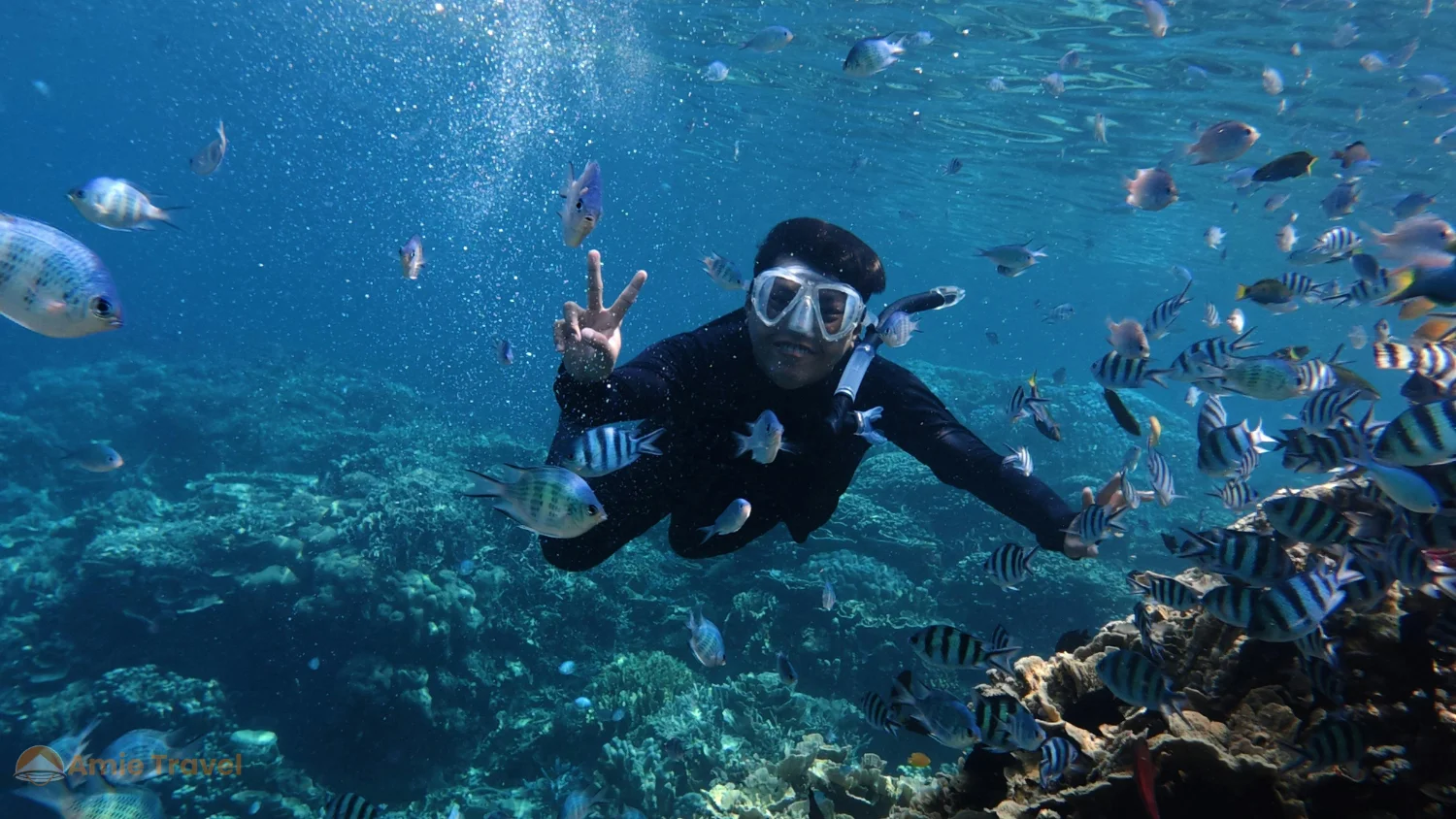
Hon Mun Marine Protected Area sits approximately 10 kilometers from the city center and is the center of Nha Trang’s diving reputation. The protected zone covers 12,000 hectares of ocean with over 340 coral species and more than 200 fish species recorded. January to March offers calm seas and good underwater visibility, making it the most reliable window for open water certification courses and for beginner divers doing their first sea dives. Peak visibility comes in April to June when the water clarity is at its annual best, but January to March is excellent and significantly less crowded than the April-June peak period.
Diep Son Island: the sandbar you walk between the sea
Diep Son is an archipelago of three small islands sitting in Van Phong Bay, approximately 60 kilometers north of Nha Trang in what is now Khanh Hoa Province. Most visitors to Nha Trang have not heard of it. Those who have visited consistently describe it as one of the most specific and memorable experiences available from the city.
The highlight is a natural sandbar approximately 800 meters long that connects the three islands and appears only at low tide. At 6am on a low tide morning, the path is up to 8 meters wide near the main island, narrowing to 2 to 3 meters further out. When the tide rises, the path disappears one meter below the surface. Walking between the islands with open sea on both sides, fish visible in the clear shallow water at your feet, and the three green islands ahead and behind is a specific experience available at very few places in Vietnam.
The best season for Diep Son is December to June when the seas are calm and the speedboat crossing from Van Gia pier is comfortable. From September to November the northeast monsoon roughens the sea and the crossing becomes uncomfortable. The sandbar is inaccessible when conditions are rough.
The tide timing is the most important practical detail for a Diep Son trip. From the first to the fifteenth day of the lunar month, the tide is low in the afternoon. After the full moon, the low tide is in the morning. Check the lunar calendar before planning your departure from Van Gia pier and time your boat to arrive at the island when the tide is at or near its lowest. The last speedboat back to Van Gia typically departs at 1pm, so an early morning departure from Nha Trang (the drive is about an hour) is the correct approach for the morning low tide window. Weekdays are significantly quieter than weekends.
Hon Khoi Salt Fields
Approximately 50 kilometers north of Nha Trang, the Hon Khoi Salt Fields run their harvesting season from January through June. Local farmers work the evaporation pans and shape the harvested salt into large gleaming white mountains by hand. At sunrise, the white salt reflects the sky and the surrounding water channels create a specific mirror quality that is specifically photogenic. Worth combining with a Doc Let Beach day or a Diep Son Island trip as all three are in the same northern direction from Nha Trang.
Tet 2027: February 6
Tet falls on February 6, 2027. The two weeks before Tet from around January 27 are the most festive version of Nha Trang in the year: flower markets, traditional food vendors, and the coastal Vietnamese city preparing for its most important holiday. The week after Tet from around February 13: calm, low prices, the city returning to normal in a quiet that is specifically worth experiencing.
The Da Lat and Nha Trang combination in this window
The 6-Day Da Lat and Nha Trang Mountain and Beach Tour works specifically well in January to March. Da Lat at 1,500 meters runs at 15 to 22 degrees in January and February. Nha Trang at 24 to 27 degrees. Two specifically different climates within a single 6-day circuit: highland pine forests and French colonial architecture followed by the clearest Nha Trang sea of the year.
What to pack: Light breathable fabrics for 22 to 27 degree days. A thin layer for January and February evenings. SPF 50 sunscreen from January onward as the UV index is high year-round in the south. Comfortable beach sandals and reef shoes for any snorkeling or Diep Son Island visit.
Who this window is for: Honeymoon couples and first-time visitors who want the complete Nha Trang experience. Divers targeting Hon Mun. Travelers doing the full Da Lat and Nha Trang highland-to-coast circuit.
See our 6-Day Da Lat and Nha Trang Mountain and Beach Tour for a circuit built specifically around this seasonal window.
April to June: Peak diving visibility and the best the sea produces all year
April to June is when Nha Trang’s specific competitive advantage over every other Vietnamese beach destination is most visible. The sea temperature rises to 27 to 29 degrees. The water clarity at Hon Mun reaches its annual peak. The coral is at its most vivid. If diving or snorkeling is the primary reason for the trip, this is the window.
The diving and snorkeling window
Late April to early June offers the best underwater visibility in the Nha Trang area. At Hon Mun Marine Protected Area in this window, the water clarity on good days can exceed 15 meters. The 340-plus coral species are at their most active and most colorful. The fish populations at the reef systems around Hon Mun Island, Hon Mieu, and the nearby dive sites are at their most accessible and most diverse.
This is also the best window for sea walking tours at Hon Mun, where participants walk on the seabed with a breathing helmet in 3 to 4 meters of water: the visibility in April to June makes this experience significantly more rewarding than the same activity in lower-visibility months.
Diep Son Island still accessible
The dry season continues through June and the Diep Son sandbar walk is fully available. The Hon Khoi Salt Fields are still in harvesting season through June. A northern Nha Trang day combining Doc Let Beach, the salt fields, and the Diep Son Island sandbar works well in May and June before the seas begin to roughen in July.
The practical picture
June starts to bring occasional brief afternoon showers but overall conditions remain excellent for beach and water activities. May and June are the beginning of the domestic Vietnamese summer beach season, which increases visitor numbers at the main city beach significantly. Prices begin rising from April and peak in July to August. Book accommodation at least 4 to 6 weeks ahead for any May or June dates that fall on a weekend or public holiday.
For the diving specifically, smaller dedicated dive operators in the Hon Chong area and around the Tran Phu beachfront book up for the peak visibility window. If diving is the primary purpose of the trip, book dive packages at least 3 to 4 weeks ahead for April and May dates.
What to pack: Light clothing for 26 to 30 degree temperatures. SPF 50 sunscreen. Reef-safe sunscreen specifically for any snorkeling or diving activity at Hon Mun. Rash guard for extended time in the water. Light waterproof layer for the occasional brief June shower.
Who this window is for: Divers targeting the best visibility window. Island hoppers and snorkelers. Travelers who want excellent beach and water conditions at prices that have not yet reached July-August peak levels.
July and August: peak season, a major 2026 festival, and the crowds to match
July and August are the domestic Vietnamese school holiday peak for Nha Trang. Hottest at 30 to 34 degrees. Most crowded and most expensive. The beach conditions are still good, island tours run fully, and the diving remains accessible, but every metric about visitor volume and accommodation pricing is at its annual high.
For travelers with fixed July or August dates, there is one specific reason to be in Nha Trang in this window: the Nha Trang-Khanh Hoa Sea Festival 2026.
The Nha Trang-Khanh Hoa Sea Festival 2026: July 20 to 26
The official festival dates are July 24 to 26, with events running from July 20 across the Tran Phu coastal park. The opening ceremony uses augmented reality technology combined with high-altitude fireworks over the Nha Trang coastline. The Carnival parade brings dozens of decorated floats with the theme “Nha Trang Sea Flowers 2026” along the coastal park, joined by art troupes, dancers, artists, and performers from both domestic and international companies.
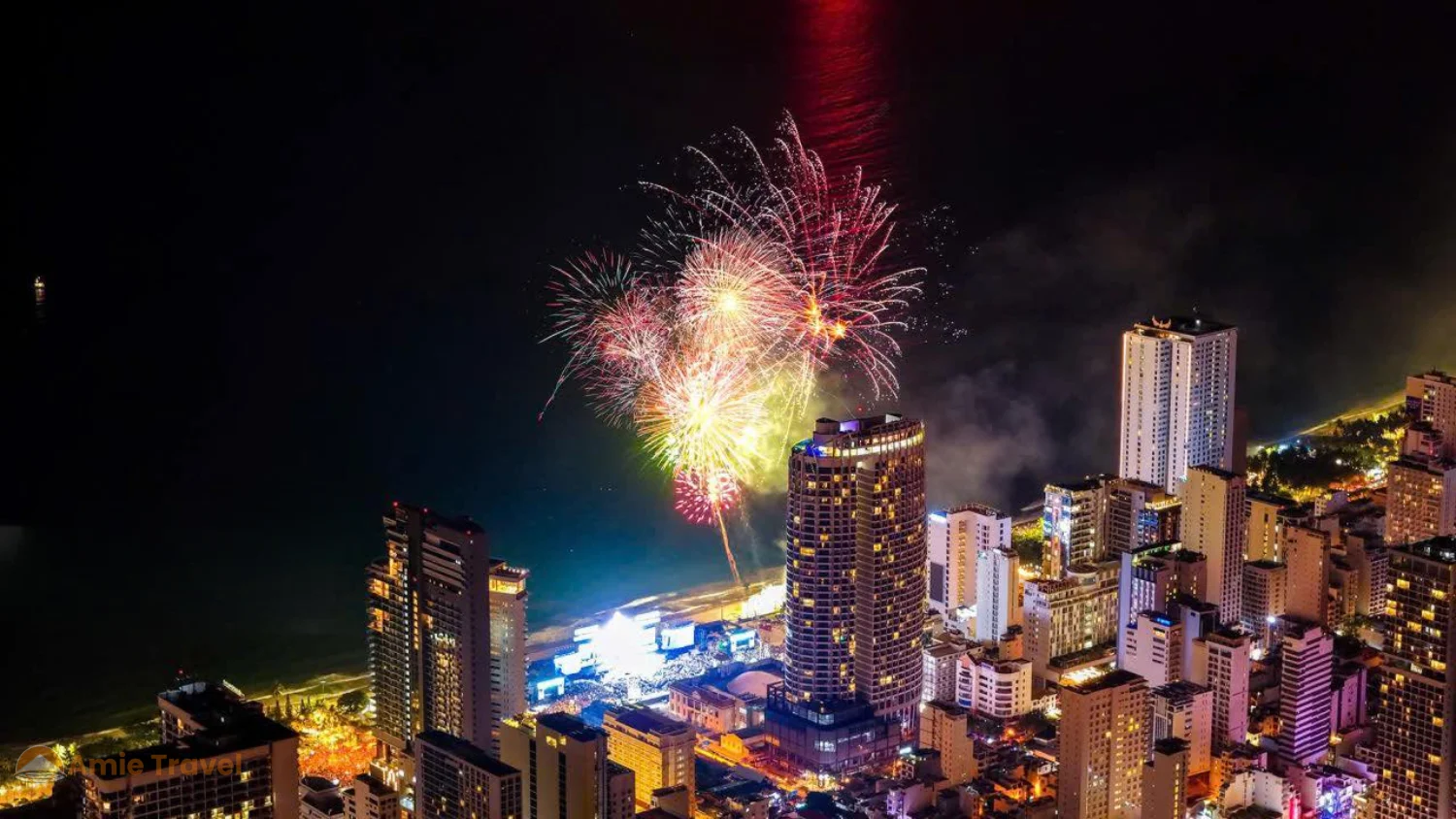
The broader festival program includes an international cruise tourism seminar, an art photography exhibition covering the sea and islands of Khanh Hoa, a kite festival on the beach, sailing races, and water sports competitions. The scale of the event positions Nha Trang specifically as an international festival destination rather than simply a beach town and is worth planning around for travelers whose dates fall in late July.
The beach and sea conditions in July and August
Beach conditions are specifically good: clear seas, island tours fully operational, diving accessible. The heat at 30 to 34 degrees is manageable on the beach with the sea breeze but demanding for any sustained time away from the water. The same early morning strategy that applies to summer in Hanoi applies here: cultural sites before 9am, beach and water activities from mid-morning, rest or indoor activities from 12pm to 3pm, and the evening waterfront from 5pm onward.
Bai Dai Beach and Doc Let Beach north of the city are noticeably quieter than the main Tran Phu city beach even in peak season. For travelers who want the Nha Trang beach experience without the July-August city beach crowds, either of these northern beaches is the answer: a 45-minute to 1-hour drive but a different and quieter experience.
The booking reality
Hotels along the Tran Phu beachfront book out quickly for July and August. Book accommodation 2 to 3 months ahead for the best options. Prices are at their annual peak. The festival dates July 20 to 26 are specifically the busiest window of the summer: book even further ahead if your dates overlap with the festival.
What to pack: The lightest fabrics you own. SPF 50 and a wide-brim hat for morning beach time. A reusable water bottle. A light waterproof layer for the occasional afternoon shower that becomes more likely from late July onward.
Who this window is for: Travelers with fixed summer dates who want to make the most of the peak season conditions. Domestic Vietnamese families. Festival-focused travelers specifically targeting the Sea Festival July 20 to 26.
September and October: Transition season with a plan
September brings the beginning of the rainy season to Nha Trang. The honest picture is more nuanced than the word “rainy season” implies. Most days in September and even October follow a specific pattern: a clear morning that is fully usable for outdoor and water activities, followed by afternoon showers arriving from around 2 to 4pm, followed by a cooler and more comfortable evening. This is not the all-day rain pattern of the Central Coast in October. It is a predictable daily rhythm that a traveler can build a plan around.
Island tours to Hon Mun operate approximately 70 percent of days during September and October. The practical approach: book a morning island tour, head out before 9am, complete the snorkeling or sea walking, and return before the afternoon weather changes. Most days this works without disruption.
The price advantage
September and October prices are 20 to 30 percent below the May to August peak. The beachfront hotels that are specifically out of budget in July are available at reasonable prices in October. The beach is accessible on most mornings. The city is less crowded with both domestic and international visitors than at any point in the dry season.
The cultural Nha Trang circuit
The cultural sites of Nha Trang work in any weather and are specifically worth knowing for any visitor whose afternoon is cut short by rain.
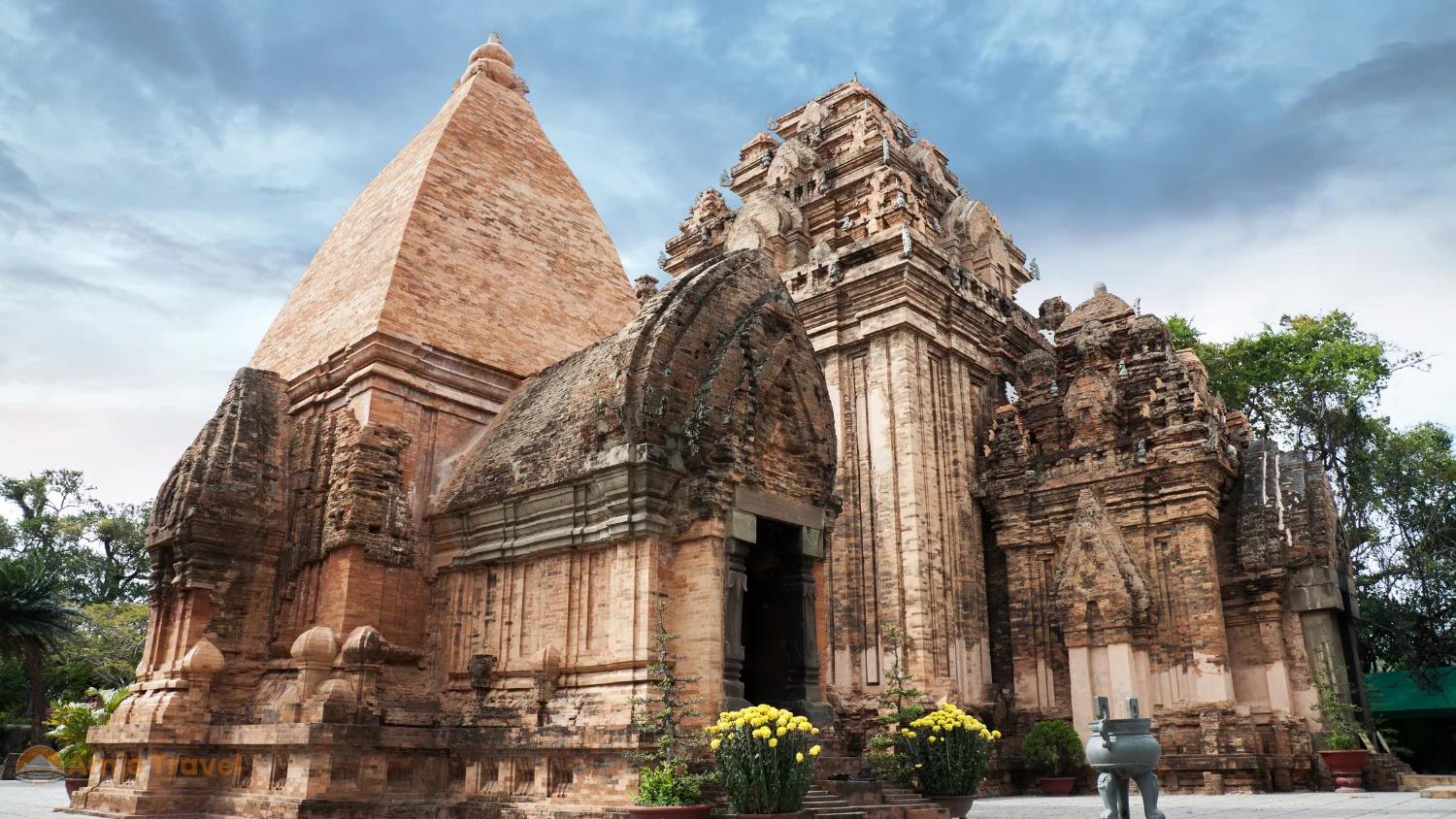
The Ponagar Cham Towers at the mouth of the Cai River are the most significant Cham heritage site on the south-central coast, built between the 8th and 13th centuries, and fully accessible in any weather. In overcast light the red-brick towers have a specific atmospheric quality that bright summer sunshine does not produce.
The Alexandre Yersin Museum covers the Swiss-French scientist who spent 50 years living and working in Nha Trang, isolated the bubonic plague bacillus in 1894, and is buried at a hilltop memorial outside the city. It is the most specifically distinctive museum experience in Nha Trang, covering a remarkable individual rather than a generic historical narrative.
The National Oceanographic Museum, the oldest and most extensive marine research institution in Vietnam, is a full half-day for any traveler with genuine interest in the marine environment.
The mud bath spas at Thap Ba Hot Spring and I-Resort Hot Spring operate year-round and are specifically appropriate in October when the outdoor beach options are limited and the relaxation focus of the experience fits the season.
A note on Diep Son Island from September
Diep Son Island is not recommended from September onward. The 60-kilometer boat crossing from Van Gia pier becomes uncomfortable as the northeast monsoon roughens the sea and the sandbar walk is not accessible in rough conditions. Wait for December when the seas calm and the sandbar season reopens.
What to pack: A compact umbrella every day from September. Quick-dry fabrics. Waterproof sandals for wet streets. Sunscreen still necessary on clear mornings.
Who this window is for: Budget-focused travelers who want maximum value. Travelers with fixed October dates who want honest guidance on how to use the season well. Travelers who want the cultural dimension of Nha Trang rather than only the beach.
November and the honest warning
November is the only month in the Nha Trang calendar where the honest recommendation is direct: if your dates have any flexibility, do not schedule a beach-focused trip here in November.
The long-term average for November is 330mm of rainfall, the wettest month of the year by a significant margin. In a typical November this means intermittent heavy rain, rough seas that close beach swimming and restrict island tours, and the city continuing to operate normally in its indoor and cultural dimensions. Most years November in Nha Trang is difficult for beach travel and fully functional for everything else.
November 2025 was not a typical year. The flooding event that hit the south-central coast and Central Highlands in mid to late November 2025 was the most severe in over 50 years, with rainfall indicators shattering historical records. That event should not be taken as what every November looks like. The long-term average of 330mm is the correct planning benchmark, not the 2025 extreme. A traveler arriving in November 2026 or 2027 should expect a wet and sometimes very wet month, not necessarily a catastrophic one.
What November in Nha Trang actually offers
The cultural circuit described in the September-October section applies in full: Ponagar Cham Towers, the Yersin Museum, the Oceanographic Museum, and the mud bath spas all operate normally regardless of the weather outside.
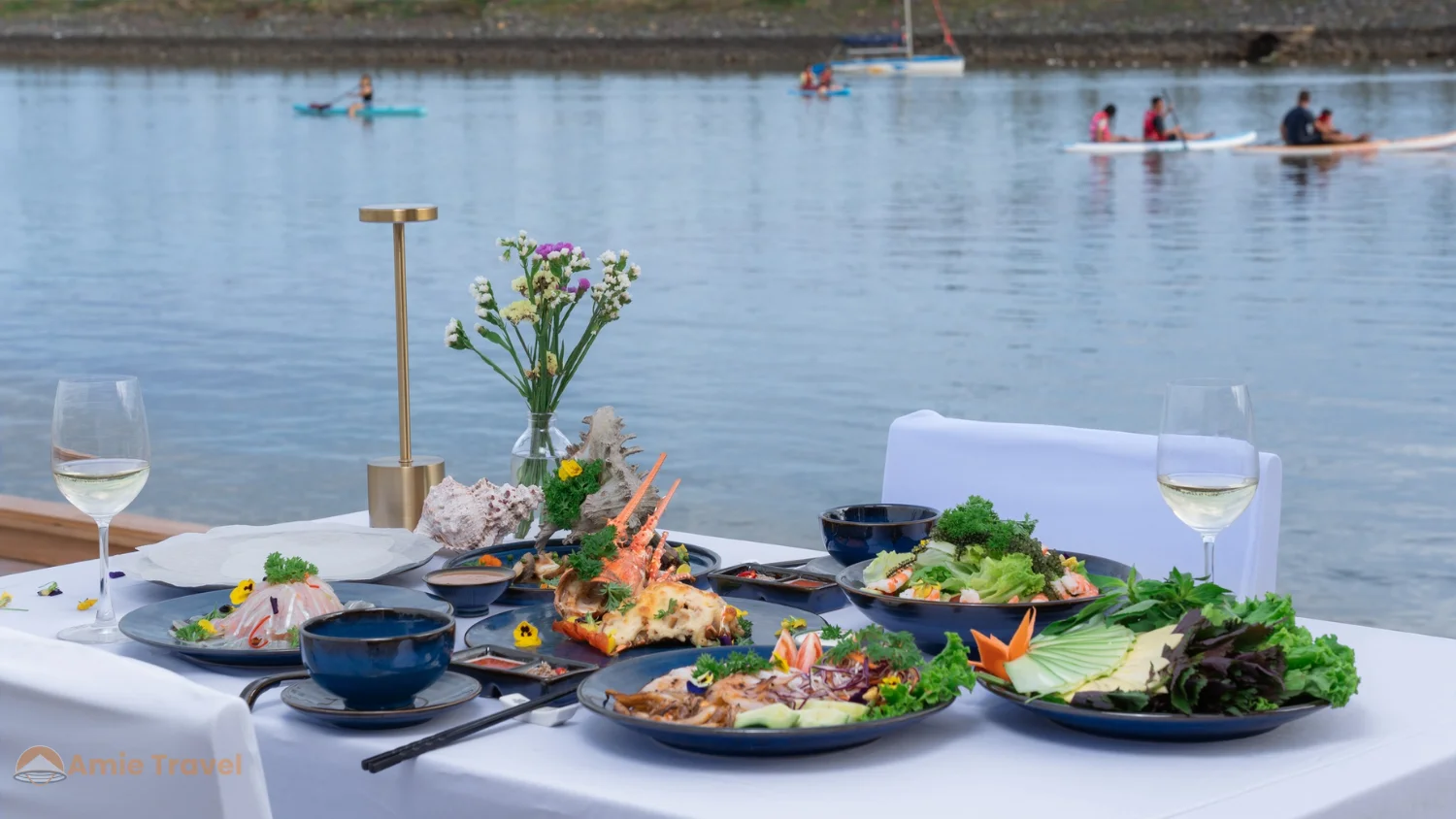
One specific November advantage that most articles miss: the seafood. The northeast monsoon brings colder, nutrient-rich water to the south-central coast from October onward and the local seafood at the covered restaurants near the fishing harbor is at its seasonal best in November. The crab, shrimp, and fresh fish available at the market restaurants near Dam Market in this period are specifically worth experiencing. This is not a tourist-facing experience. The fishing harbor restaurants south of the city center on Van Thanh Street area are where locals eat November seafood and the quality in this window is specifically high.
The Da Lat pivot for November
Da Lat’s highland climate is generally drier than the Nha Trang coast in November. A traveler whose original plan was a Nha Trang beach trip in November can restructure the circuit to use Da Lat as the primary destination and Nha Trang as a brief coastal add-on on the clearest weather days available. See the Da Lat and Nha Trang combination section below for how this inversion works in practice.
Da Lat and Nha Trang combination: Which season for which circuit
Da Lat sits at 1,500 meters in the Central Highlands approximately 135 kilometers from Nha Trang by road. The drive between them through the mountain pass is one of the most visually dramatic short journeys in southern Vietnam: highland pine forests, flower farms, and the cool mountain air giving way across the pass to the coastal plain and then the first view of the sea. Two specifically different climates and landscapes connected by a 3-hour road.
The seasonal matching for the 6-day circuit:
January to March: the optimal window
Both destinations are at their most comfortable simultaneously. Da Lat at 15 to 22 degrees, Nha Trang dry and pleasant at 24 to 27 degrees. The complete highland-to-coast contrast is at its most dramatic. Start in Da Lat for the cool weather, the flower farms, the French colonial architecture, and the highland landscape. Finish in Nha Trang for the driest and calmest sea of the year. Diep Son Island sandbar walk and Hon Khoi Salt Fields both accessible during this window. Diving conditions excellent at Hon Mun.
April to June
Nha Trang at its peak for diving and beach. Da Lat warming toward its spring flower season with temperatures 18 to 25 degrees. Both destinations good simultaneously. Nha Trang is the primary destination in this window with Da Lat as the highland complement.
July to August
Nha Trang at peak season heat (30 to 34 degrees) and maximum crowds. Da Lat significantly cooler at 18 to 22 degrees and a specifically good highland escape from the coastal heat. The circuit works but expect summer crowds at both destinations. The Nha Trang Sea Festival July 20 to 26 is the specific reason to be in Nha Trang in this window.
September to October
Nha Trang rainy season beginning. Da Lat more stable than the coast in this window with its highland climate less directly affected by the northeast monsoon. Consider beginning the circuit in Da Lat and timing the Nha Trang section around clear-morning days.
November
The inversion window. Da Lat as the primary destination, Nha Trang as the coastal add-on on better-weather days only. November at Da Lat with its highland character and cooler temperatures is a complete destination. Use Nha Trang for the seafood and the cultural circuit on whatever clear days are available.
December
Both transitioning back toward their best conditions. The circuit works well from mid-December as the Nha Trang dry season re-establishes and Da Lat moves into its cool dry winter season. Diep Son Island accessible again from mid-December.
See our 6-Day Da Lat and Nha Trang Mountain and Beach Tour for a circuit that covers the full highland-to-coast experience.
Nha Trang month by month
January: 22 to 27 degrees, the dry season fully established, Diep Son Island sandbar walk excellent, Hon Khoi Salt Fields at sunrise from January onward, pre-Tet energy building from mid-month as Vietnamese families prepare for the holiday. The most complete dry season month for combining beach, a day trip north, and the coastal festive calendar. Verdict: start the year right here.
February: 22 to 27 degrees, the driest month at only 15mm of average rainfall, calmest seas of the year. Tet 2027 falls on February 6. The pre-Tet weeks from late January are festive and specific to this coastal Vietnamese city. The week after Tet from around February 13 is calm, affordable, and uncrowded. Verdict: the single best month for beach comfort and the Tet window.
March: 24 to 28 degrees, dry and clear, still excellent for beach and diving, Hon Mun underwater visibility building toward the April-June peak. Diep Son Island and Hon Khoi Salt Fields still fully in season. Fewer visitors than the peak summer months. Verdict: strong all-round month with slightly fewer crowds than February.
April: 26 to 30 degrees, diving visibility approaching its annual peak from late April, the best underwater window beginning. Island hopping and sea walking tours at their most rewarding. Prices beginning to rise from the dry season baseline. Verdict: the diver’s month and the best April in the country for sea-based travel.
May: 27 to 32 degrees, warm and clear, domestic beach season building from late month. Hon Mun at its most vivid. The seas slightly rougher than April but still excellent for all water activities. Prices rising toward peak. Book ahead for any weekend or holiday dates. Verdict: excellent conditions, beginning of the crowded period.
June: 28 to 33 degrees, hottest end of the comfortable window, occasional brief afternoon showers beginning. Last month of the Diep Son Island and Hon Khoi Salt Fields dry season window before the seas roughen. Early morning boat tours fully rewarding. Verdict: last of the peak dry season, use the early mornings.
July: 30 to 34 degrees, domestic peak season, Nha Trang-Khanh Hoa Sea Festival July 20 to 26 with AR fireworks opening and Carnival float parade along Tran Phu. Most expensive and most crowded month. Book accommodation 2 to 3 months ahead. Verdict: come for the Sea Festival, book very early.
August: 30 to 34 degrees, peak season continuing, island tours fully operational, accommodation at annual peak prices, Bai Dai and Doc Let beaches north of the city quieter than the main city beach. Verdict: peak season in full, consider the northern beaches for a quieter experience.
September: 28 to 32 degrees, rain arriving from mid-month, morning hours largely clear and usable, island tours on most days, prices dropping 20 to 25 percent from peak. The transition month. Avoid Diep Son Island from September as seas begin to roughen. Verdict: transition, mornings are the key, good value window.
October: 26 to 30 degrees, afternoon rain pattern established, island tours operational on approximately 70 percent of days, 20 to 30 percent price drop, the cultural circuit excellent in any weather. Ponagar Cham Towers, the Yersin Museum, the mud bath spas all work regardless of weather. Verdict: manageable with a morning-focused plan and accurate expectations.
November: 24 to 28 degrees, wettest month at 330mm long-term average, beach not recommended, seafood at its seasonal best at the fishing harbor restaurants, the Da Lat pivot the correct plan for travelers with flexibility. Verdict: skip the beach focus, use the city and consider Da Lat as the primary base.
December: 23 to 28 degrees, rain easing through the month, Diep Son Island accessible again from mid-December as the seas calm. The dry season re-establishing. Christmas atmosphere near Nha Trang Cathedral. Late December already feels like the dry season returning. Verdict: the turn-around month. Late December is already a good time to be in Nha Trang.