Planning your first trip to Vietnam but confused by the weather? You are not alone. Because Vietnam is a long, S-shaped country, the climate varies drastically from the northern mountains to the southern beaches. As local travel advisors, we created this honest guide to help you find the absolute best weather for your trip, and exactly which months you might want to avoid.

  • Language: English
  • Currency: Rupiah
  • Religion: Hinduism
  • Timezone: GMT+8

Best Time to Visit Vietnam by Region: A Local's Breakdown

Vietnam stretches over 1,600 kilometers from north to south, longer than the distance from London to Rome. Because of that, the country does not have one climate. It has three, running on completely different calendars. While someone in Hanoi is reaching for a jacket in February, a traveler in Phu Quoc is already on a sun lounger in 30-degree heat. Getting this right before you book is the single most useful piece of planning you can do.

Northern Vietnam: 4 Distinct Seasons

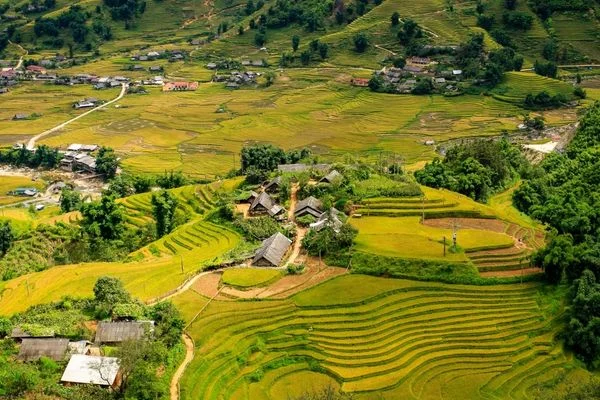
The only region in Southeast Asia with a genuine winter and a hot summer. Sweet spot: March to April and October to November
Central Vietnam: Warm & Tropical

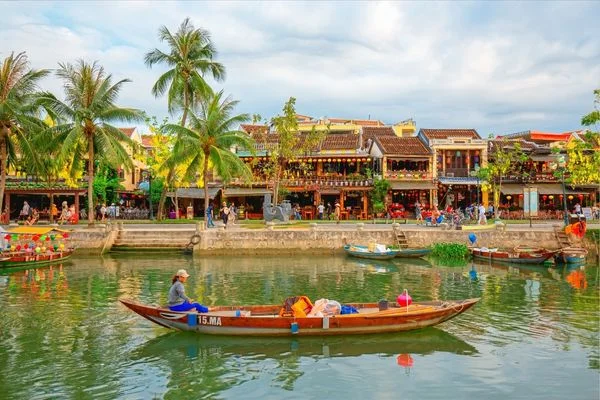
Its weather runs opposite to the rest of the country. Sunny when others flood. Sweet spot: February to July
Southern Vietnam: Predictable Season

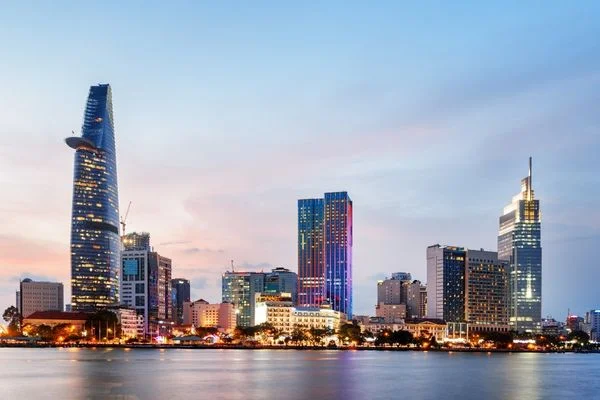
Two simple seasons, warm year-round, and the most forgiving climate in the country. Sweet spot: December to April.
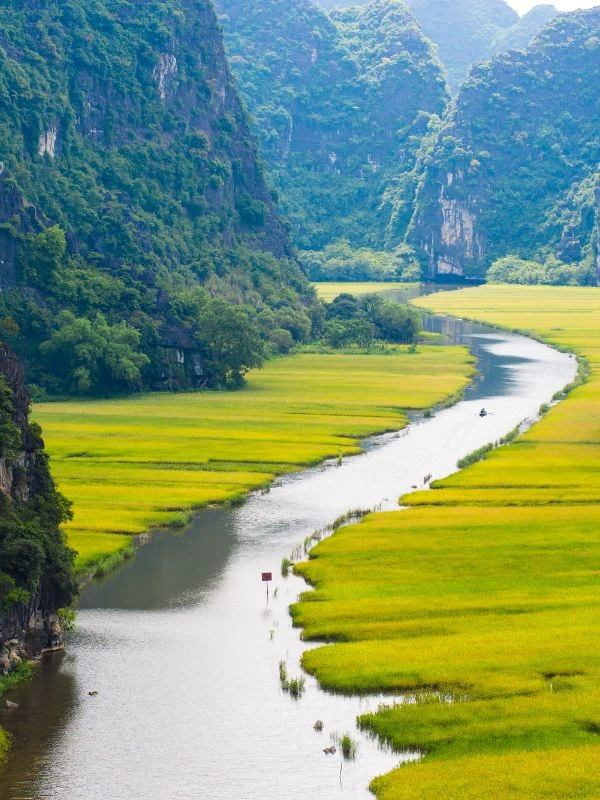
Northern Vietnam: Four distinct seasons

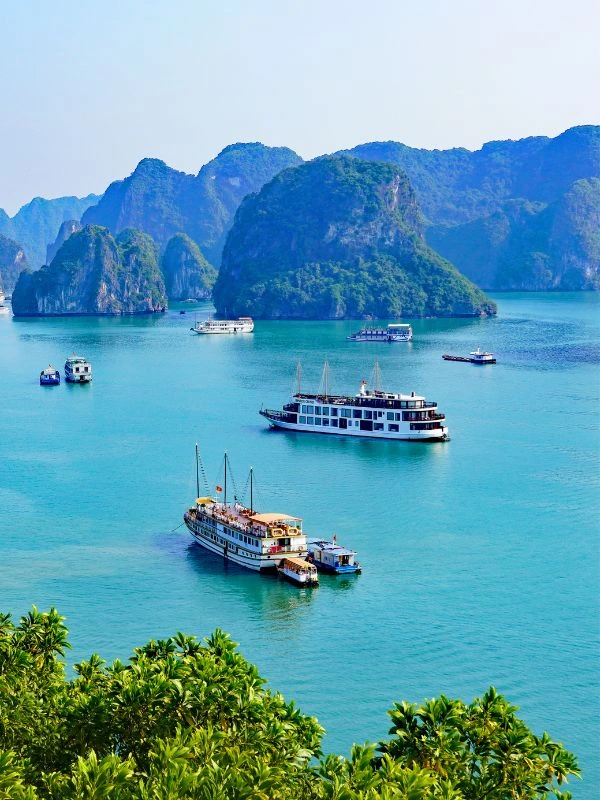
Hanoi, Ha Long Bay, Sapa, Ninh Binh, Pu Luong, Ha Giang.

Most people fly into Hanoi in February expecting warm weather and leave surprised by how cold the evenings get. Northern Vietnam has a genuine winter. January nights in Hanoi drop to around 14 degrees. Sapa can hit near freezing and occasionally sees frost on the terrace fields. The limestone peaks above Ha Long Bay sit inside thick morning fog for days at a time during this period. Beautiful in its own way, but not what most first-timers pack for.

The flip side is that the North also has two seasons that rank among the best travel weather anywhere in Southeast Asia.

THE CLIMATE

Winters run from December to February: cool, dry, and genuinely cold in the highlands. Summers from May to August bring temperatures of 38 to 40 degrees in Hanoi with humidity above 80 percent and heavy afternoon downpours. In 2026, the heat season arrived 10 to 15 days earlier than historical averages, with the first widespread heat wave recorded across the North in late March. Spring and autumn are the windows most experienced travelers build their trips around.

THE SWEET SPOT: March to April and September to November

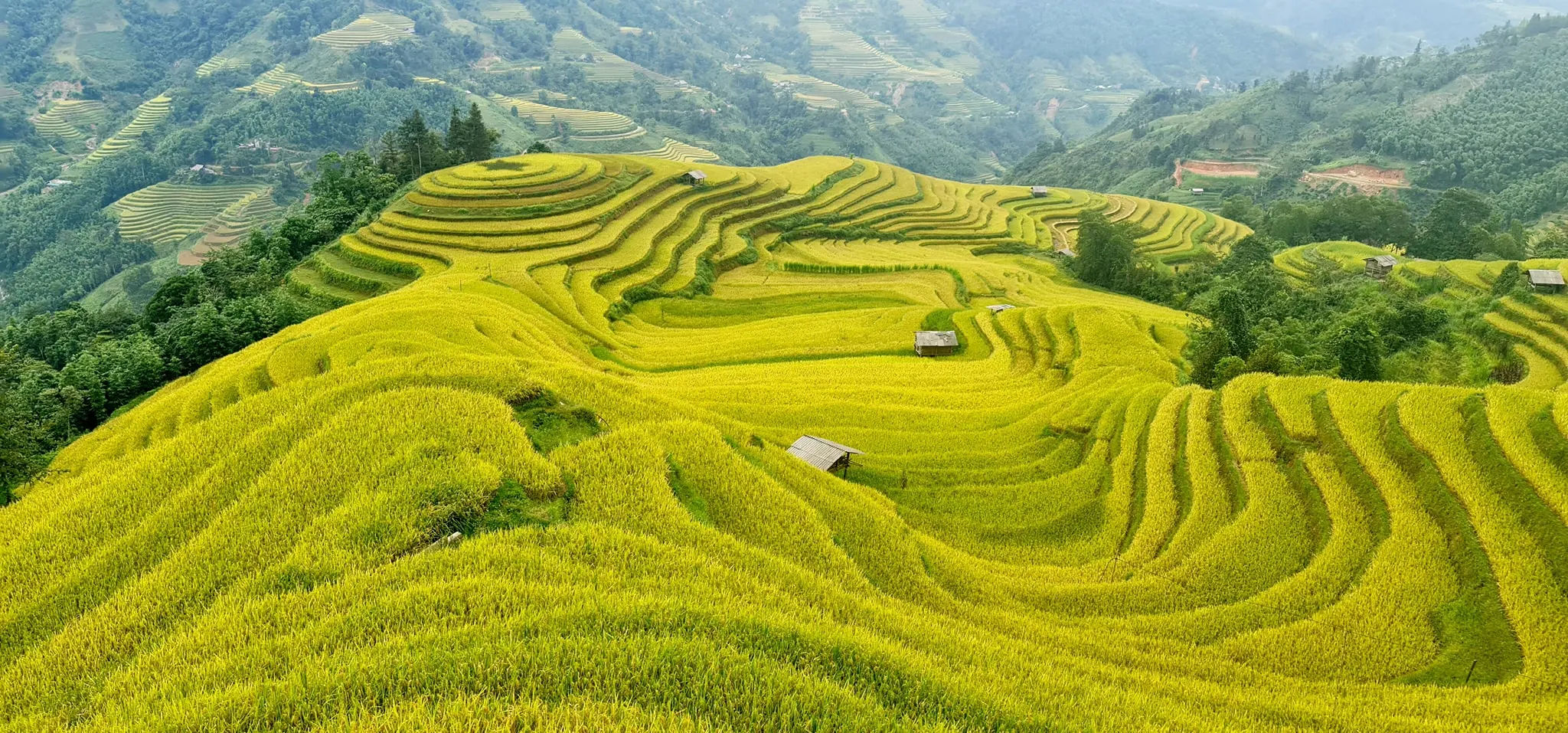
In October, the rice terraces in Sapa and Pu Luong shift from green to gold in a color change that peaks for two to three weeks at most. Miss it and you wait another year. Ha Long Bay is calm and clear in both spring and autumn windows, with water visibility that makes kayaking through the cave systems feel completely different from the murky summer months. Trails between hill tribe villages are firm and cool enough for a full day on foot.

WHAT TRAVELERS OFTEN OVERLOOK

January and February in Hanoi are genuinely worth considering for cultural travel. The crowds are thin. The Old Quarter moves at a pace that peak season visitors never experience. Temples are quiet in the winter mist. And if you have not tried egg coffee when it is 15 degrees outside, you have not tried egg coffee properly.

Central Vietnam: A reversed calendar

Da Nang, Hoi An, Hue, Quang Binh, Nha Trang

The Central Coast catches more first-timers off guard than any other region in the country. Its weather calendar runs almost completely opposite to the rest of Vietnam. While the North and South deal with their summer monsoons from May through August, the Central Coast sits in clear sunshine. Then when the North and South move into their most pleasant season in October and November, the Central Coast takes the full force of the northeast monsoon and typhoon season.

This single reversal is the most important weather fact in Vietnam for a first-time visitor to understand before booking anything.

THE CLIMATE

Hot and dry from February through August, sheltered by the Truong Son mountain range which blocks the southwest monsoon that soaks the rest of the country. From September through November the protection flips. Hoi An floods regularly. Da Nang airport suspends flights when typhoon warnings are active. Hue receives 400 to 600mm of rain in a single storm event. In October 2025, the Thu Bon River in Hoi An reached 5.62 meters, breaking a record that had stood since 1964. Plan around this window, not through it.

THE SWEET SPOT: February to July

This is the window where the Central Coast earns its reputation. 30-degree days with sea breezes that keep the humidity manageable. Hoi An in the evening without a raincoat, lanterns on the river, tables on the street. Da Nang beaches with calm surf from March through June before the summer crowds build. Hue’s imperial citadel under blue skies rather than a grey drizzle. July gets warm but beach conditions across the Central Coast stay strong right through the month.

WHAT TRAVELERS OFTEN OVERLOOK

The Da Nang International Fireworks Festival runs from June into July each year. International teams compete across multiple nights on the Han River with full orchestral soundtracks and large local crowds who turn the riverbanks into a genuine event. Most travel guides mention it in passing. If your trip falls in June or July, it is worth building your dates around at least one festival night. It costs nothing extra and is one of the more memorable things you can watch in Vietnam.

Southern Vietnam: The predictable season

Ho Chi Minh City, Mekong Delta, Phu Quoc

The South is the region you book when your dates are fixed and you cannot afford to gamble on weather. Temperatures sit between 28 and 32 degrees year-round with almost no variation. Two seasons, both workable, and a climate that forgives planning mistakes that would ruin a trip further north.

THE CLIMATE

The dry season runs December through April: clear skies, lower humidity, and calm seas around the southern islands. The wet season runs May through November, but rain in the South behaves differently from what most people expect. Short, intense downpours that arrive in the afternoon, last 45 to 90 minutes, and then clear completely. Mornings are sunny. Most tours, boat trips, and outdoor activities run normally around the afternoon pattern. It is not the all-day rain that the name suggests.

THE SWEET SPOT: December to April

Phu Quoc and Con Dao have glass-calm water in this window, with underwater visibility that makes diving genuinely effortless. The Mekong Delta is green, navigable, and running at its most photogenic from the boat. Ho Chi Minh City is warm without the heavy afternoon humidity that makes the wet season version of the city feel draining by 3 PM. Peak season also means accommodation fills fast. Book four to six months ahead for the December through February window, particularly near the islands or the city center.

WHAT TRAVELERS OFTEN OVERLOOK

May and June sit at the start of the wet season and are consistently underpriced. Dry season crowds have cleared. Mid-range hotels drop 25 to 35 percent from their February rates. Mornings are warm and clear. The afternoon rain is light at this early stage of the season and manageable for anyone who plans outdoor activities before 2 PM. For travelers with flexible schedules, this is the best value the South offers across the entire year.

Vietnam Weather by Month

January

Cool, Dry & Festive

February

Springtime & Tet Holidays
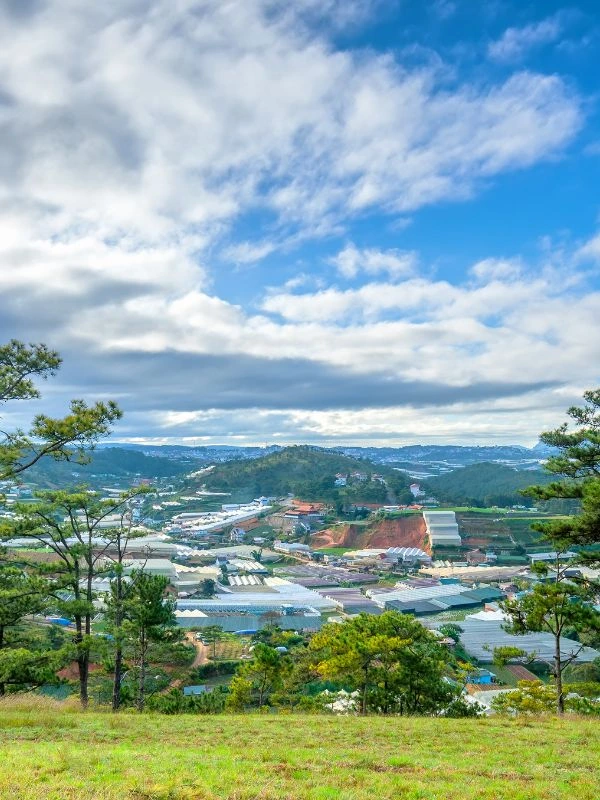
March

Clear Skies countrywide
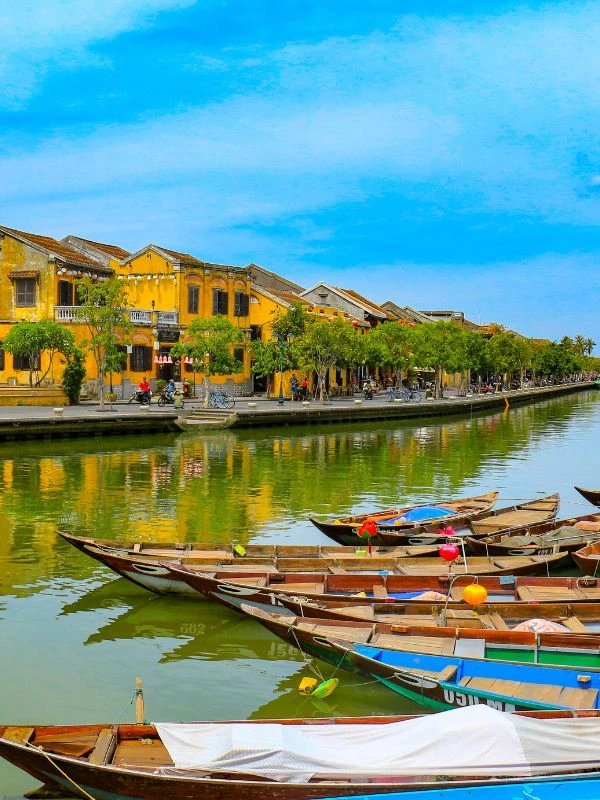
April

The Sweet Spot (Great Weather)
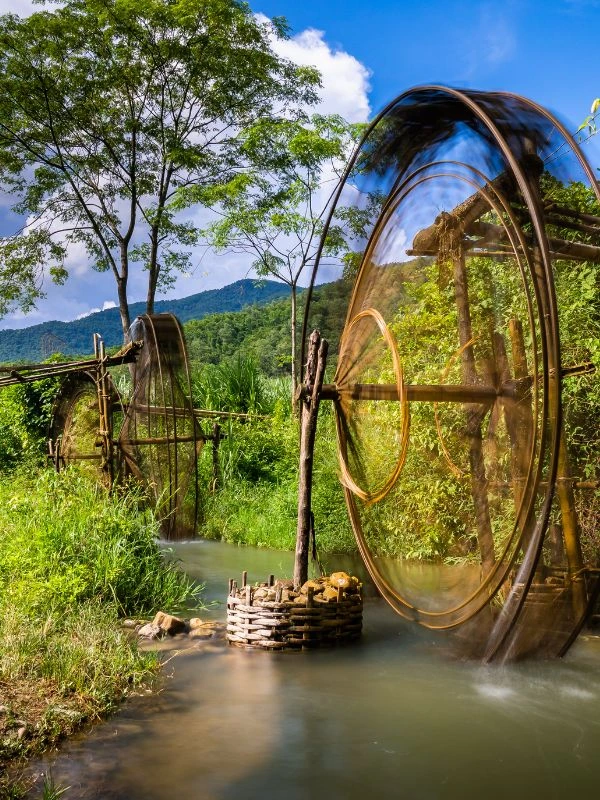
May

Summer Begins (Beach Time)

June

Family Summer Holidays
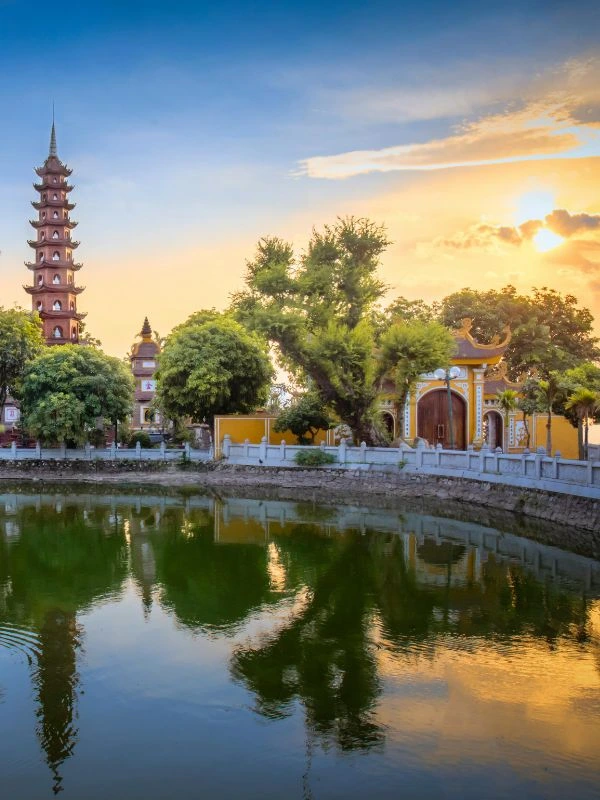
July

Warm & Tropical Vibes
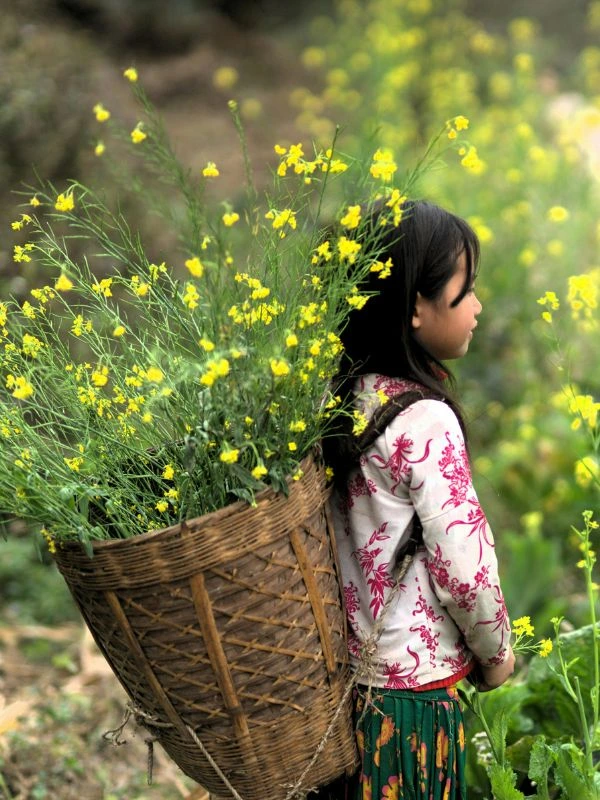
August

Lush Landscapes
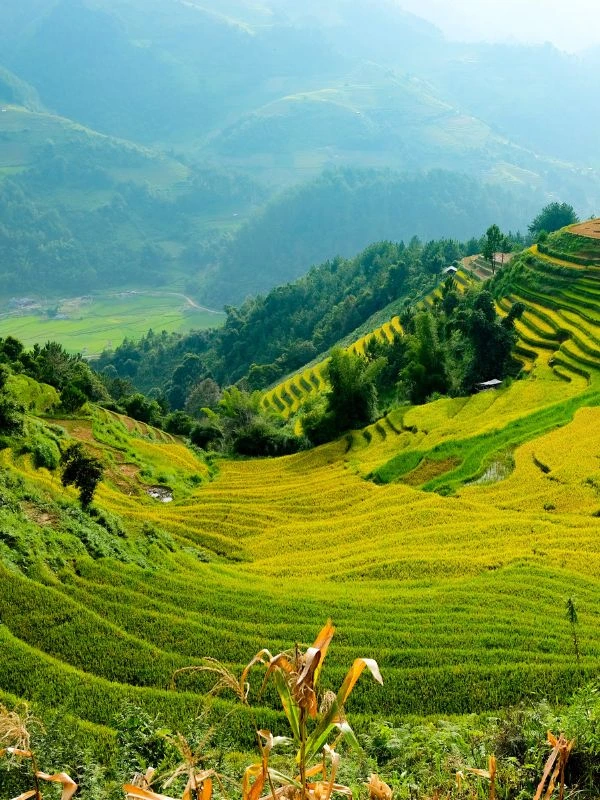
September

Golden Rice Terraces
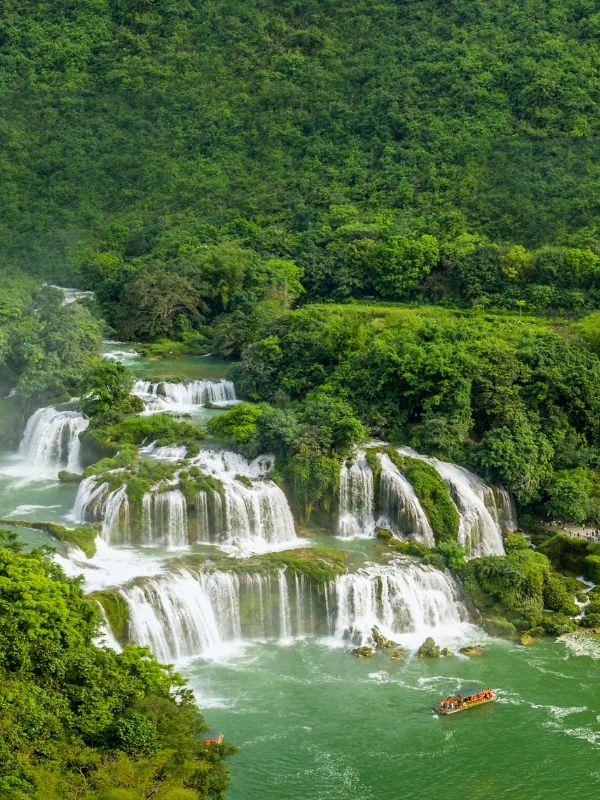
October

Adventure & Cool Breezes
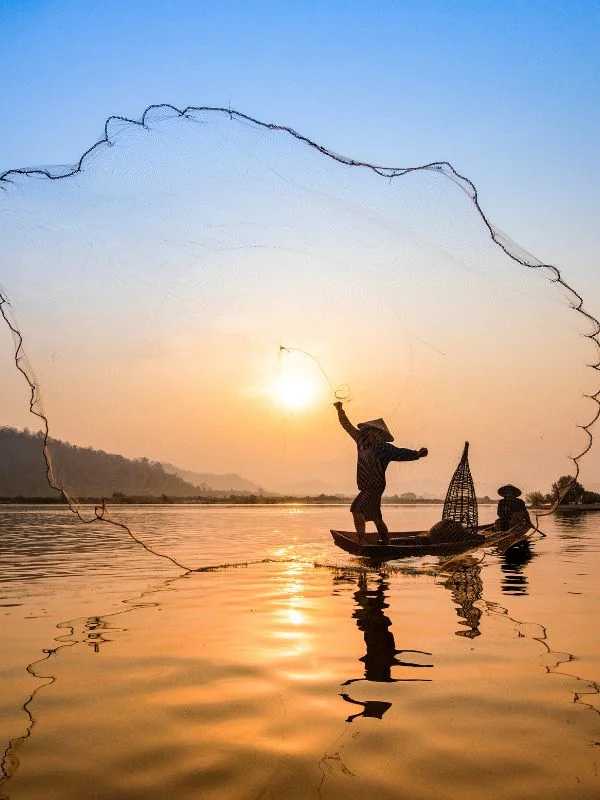
November

Peaceful Waters & Culture
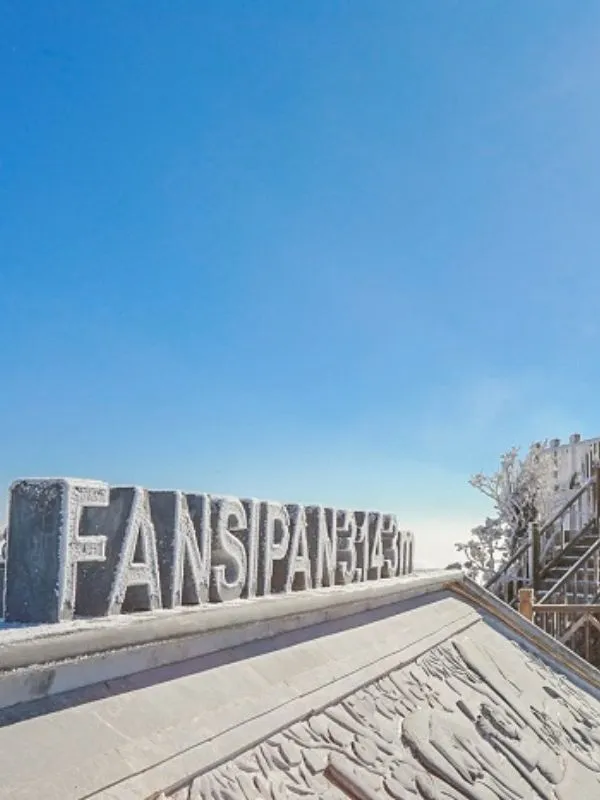
December

The Winter Escape

Is There a "Worst" Time to Visit Vietnam?

The question every first-timer asks. The honest answer: no single month makes Vietnam off-limits, but three specific windows create friction that catches unprepared travelers completely off-guard.

Vietnam runs across three distinct climate zones. What’s miserable in one region is often perfect in another at the exact same time. The problem isn’t the calendar. It’s planning a single-zone itinerary when the country doesn’t work that way.

That said, here’s what first-timers consistently get blindsided by:

  • The Heat (April-July): The south and north are sweltering, but the Central Coast offers perfect beach weather.
  • The Floods (Oct-Nov): The Central Coast faces severe typhoons, while the North and South enter their most beautiful seasons.
  • The Tet Holiday (Jan/Feb): Transport sells out and businesses close, requiring months of advance planning.

Traveling in the Hottest Months (April to July)

Vietnam’s summer heat in 2026 is not normal by historical standards. The data confirms it.

Hanoi is forecast to experience 11–15 separate heat waves between April and September 2026. June is the peak month, with temperatures projected to reach 39–41°C across the capital. The 2026 heat season also arrived 10–15 days earlier than historical averages. Widespread heat was already recorded across the North in late March, two weeks ahead of its usual onset.

What the thermometer shows and what your body feels are two different numbers. Street-level temperatures in Vietnamese cities regularly run 2–4°C above official forecasts. Concrete, asphalt, and glass surfaces absorb and radiate heat back at you. In Hanoi, a forecast of 37°C genuinely feels closer to 40°C inside the Old Quarter at midday. In Ho Chi Minh City, April and May regularly push the heat index past 42°C in District 1, with humidity that rarely drops below 70%. In Da Nang, June and July bring strong UV and full beach days, but the same midday heat demands equal respect.

The danger window across all three cities: 12:00 to 16:00 daily. Outdoors before 9 AM, indoors midday, back outside at dusk. Travelers who push through the midday heat hit a wall by day three, every time. Pavements radiate from below. You will find yourself changing clothes twice a day.

Two escapes most itineraries miss during this window:

  • Da Lat (1,500m elevation) runs 8–10°C cooler than the coast year-round. The well-known answer.
  • Pu Luong Nature Reserve is the answer competitors are not writing about yet. Four hours southwest of Hanoi in Thanh Hoa province, its elevation keeps temperatures genuinely manageable while Sapa drowns in domestic summer tourists. Rice terraces are in active cultivation from late May through July, precisely when they are most photogenic. You are walking through working fields alongside White Thai and Muong farming families, not around a heritage site designed for tourism. Stilt-house homestays in Ban Don and Kho Muong villages. No resort crowds. No queue for the viewpoint. If this combination of heat escape, active trekking, and cultural immersion fits how you travel, our 11-Day Vietnam Active Adventure: Hike, Bike & Kayak covers exactly this ground, built for travelers who refuse to let summer sideline them.

One fact most itineraries get backwards: the Central Coast, including Da Nang and Hoi An, is in dry season through July. Clear skies, calm seas, genuine beach weather, while Hanoi and Ho Chi Minh City absorb the monsoon’s worst. Most first-timer itineraries have this completely backwards.
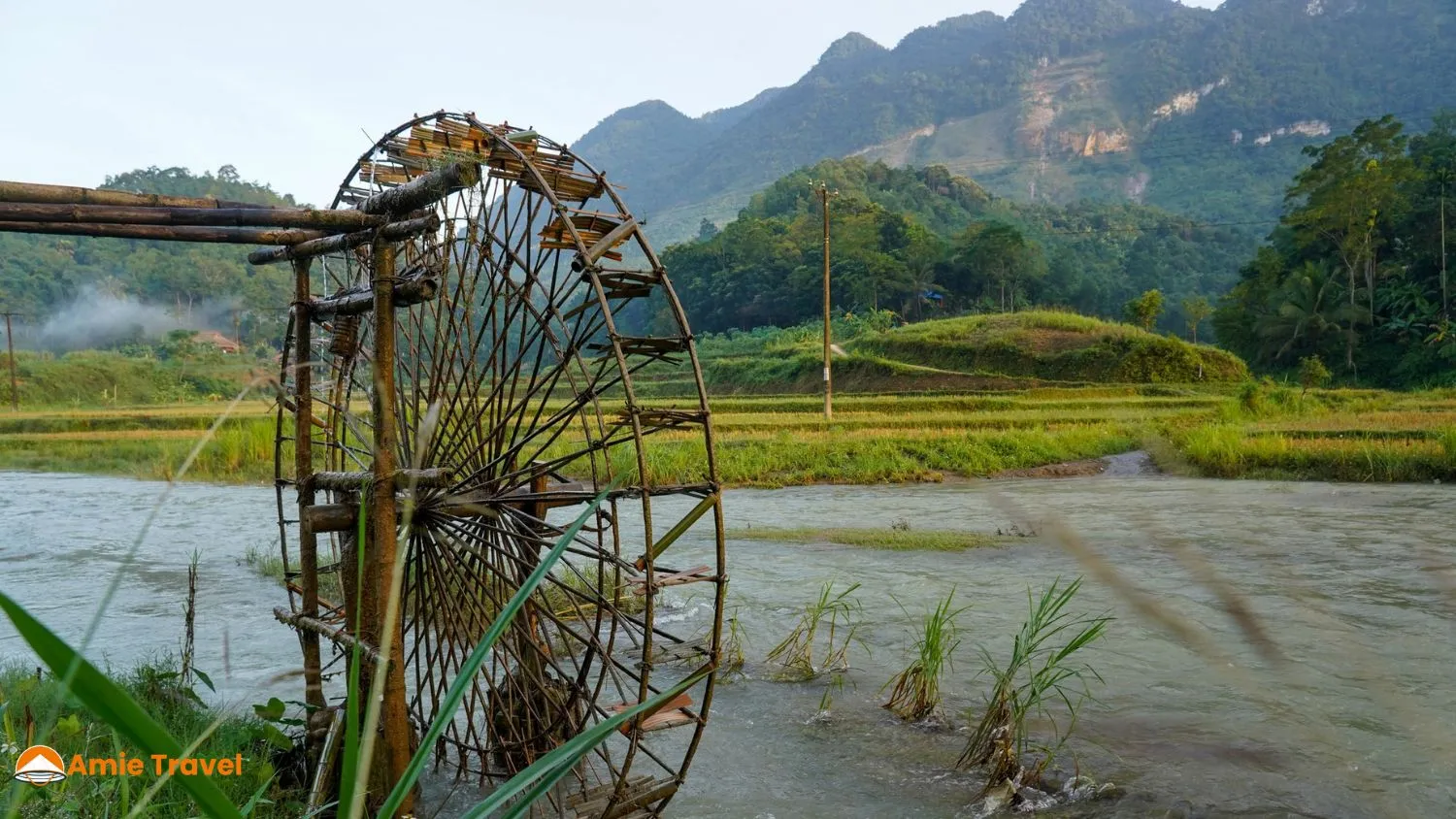
Pu Luong nature reserve

Traveling in the Wettest Months (October and November)

Avoid the Central Coast. Do not avoid Vietnam.

October and November concentrate every weather risk on one geographic corridor: Hue, Da Nang, and Hoi An. The Truong Son mountain range traps northeast monsoon moisture directly against the coast here. Central Vietnam is statistically most exposed to typhoons between September and November, when storms are stronger and more frequent than at any other time of year.

The 2025 season illustrated exactly what this means in practice. The Thu Bon River in Hoi An crested at 5.62 meters in October 2025, breaking its 1964 flood record. During severe storms, water levels inside the Ancient Town reach 1.5–2 meters. This is not a risk to manage around. It is a season to route around entirely.

Move your Central Coast segment to March through August. Full stop.

What October and November actually look like elsewhere:

  • Phu Quoc: Peak diving and snorkeling visibility with pre-high season pricing. The South’s dry season is just beginning.
  • Hanoi: A comfortable 24–28°C, golden afternoon light, and the city at its most liveable all year.
  • Sapa: Harvest season transforms the terraces. Crisp mountain air, golden rice fields, and the trekking conditions serious hikers plan their entire year around. Our 7-Day North Vietnam Tour: Hanoi, Ha Long Bay, Sapa and Fansipan runs this exact seasonal window, pairing the highland harvest with a Ha Long Bay cruise for two of Vietnam’s most visually striking experiences back to back.
  • Pu Luong: The second rice harvest turns the valley terraces gold. Morning mist settles on limestone karst ridges and burns off by 9 AM into sharp, clear mountain days. Four hours from Hanoi, close enough for a long weekend and remote enough to feel like a different country. Still largely absent from competitor guides covering this season. See our full Pu Luong Tours and Travel Guide if this is the version of northern Vietnam you are looking for.

The data shows October and November offer genuinely excellent travel timing for three of Vietnam’s four major regions. The Central Coast is just not one of them.

The Tet Holiday: A Cultural Trip, Not a Typical Vacation

This is not Vietnam’s Christmas. It is not a festival designed around tourism. It is the moment tens of millions of Vietnamese travel home simultaneously, and the entire country reorganizes around family for nine days. Both years follow the same structural reality. The specific dates shift but the travel logic is identical.

What actually closes: family-run restaurants, local tour operators, and small shops for three to five days. What stays open: international hotels, major tourist attractions with adjusted hours, and chain convenience stores.

The real problem is transport. Domestic flights, trains, and buses sell out weeks in advance. Remaining inventory jumps 30-50% in price. Inter-city travel during the core Tet days without advance bookings is not difficult. It is effectively impossible.

How to do Tet right as a first-timer:

  • Arrive 5–7 days before Tet Day to catch flower markets, lantern preparations, and the pre-holiday street energy at full intensity. For 2027, target January 30 to February 1.
  • Stay in one city through the core holiday days and avoid inter-city movement during this window.
  • New Year’s Eve: position yourself at Hoan Kiem Lake in Hanoi or Nguyen Hue Walking Street in Ho Chi Minh City for public fireworks. Worth planning for regardless of the year.

Tet also falls in Vietnam’s most romantic travel season. Hanoi is cool and dry, the coastline is calm, and Ha Long Bay is at its most serene. For couples timing a honeymoon around this window, our 5-day Northern Vietnam tour is structured to move between cities before and after the holiday core, giving you the full cultural experience of Tet without the logistical friction of traveling through it.

First-timers who book two months ahead, stay in one city during the core days, and treat closed shutters as cultural context consistently call this the most immersive trip they have taken in Southeast Asia.

The ones who struggle arrived with a peak-season mindset and a last-minute booking.

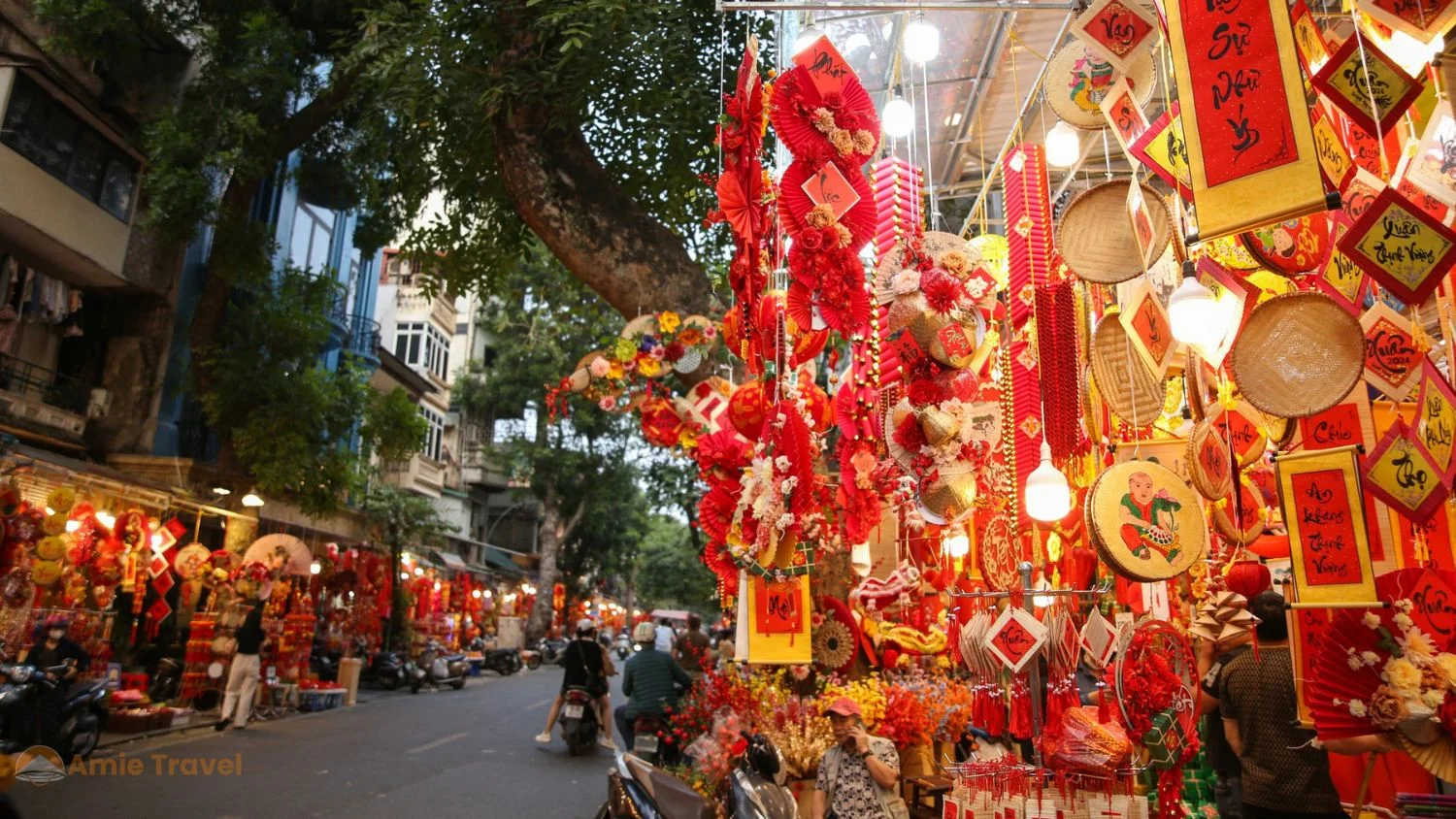
Hang Ma street in Hanoi right before the Tet holiday

Best Time for Authentic Local Experiences

Vietnam rewards travelers who understand its rhythm. Not just the weather rhythm, but the human one. The markets that only open on certain mornings. The harvests that turn entire hillsides gold for exactly three weeks. The fishing windows that locals have followed for generations. Get the timing right, and Vietnam does not just look beautiful. It feels alive in a way that no highlight reel prepares you for.

The Festival Window: Moments That Cannot Be Recreated

Some experiences in Vietnam exist on specific dates and nowhere else. The Hoi An Full Moon Lantern Festival happens every fourteenth lunar night. Electric lights go off. Paper lanterns take the river. It is not staged for visitors. It is a monthly ritual that visitors are welcome to witness. Tet flower markets fill every major city for two weeks before Lunar New Year. The Mid-Autumn Festival puts children with lanterns into the streets of Hanoi and Hoi An after dark. Families who visit during these windows rarely call it a holiday. They call it the trip that changed how they think about travel
The Harvest Season: The Image That Brings Everyone Back

You have seen the photograph. Terraced rice fields stepping down an impossible hillside, turning from green to gold as the harvest begins. It is real, but only for a few weeks each year. The northern harvest peaks in late September through mid-October in Sapa and slightly later in Pu Luong. Getting into this landscape properly requires a guide who knows when the light hits the terraces and which village path leads somewhere worth finding. Ha Long Bay, Sapa, and Pu Luong can all run at their best in a single October trip. The North in this season is, by almost any measure, the best version of itself.

The Off-Peak Window: When Vietnam Belongs to Its Own People

June through August is when international visitor numbers drop and Vietnamese cities quietly return to their own rhythm. Wet markets stop performing for cameras. Neighborhoods feed the people who actually live there. The food gets cheaper and nobody is watching to see if you are enjoying yourself correctly. Hanoi at 6 AM in July belongs to locals doing tai chi and street vendors cooking for the neighborhood, not the guesthouse crowd. Dawn fishing sessions on rivers north of the city run before the heat builds. The water is quiet. The city has not yet woken up. Off-peak Vietnam does not show up in travel magazines. That is precisely why it is worth seeking out.

Frequently Asked Questions

What is the single best month to visit Vietnam for first-timers?

March is the closest thing to a universally safe answer, but the honest answer depends on your route.

In March, northern Vietnam is warming out of its cool, dry winter without yet hitting summer humidity. Hanoi, Ha Long Bay, and Ninh Binh are all at comfortable temperatures between 18 and 25 degrees. Central Vietnam, including Da Nang and Hoi An, is in the heart of its dry season with clear skies and calm seas. Southern Vietnam and the Mekong Delta are still in the dry season with low humidity and reliable sunshine.

March is the one month where a first-timer can build a north-to-south itinerary and not get ambushed by weather at any point along the route. April runs a close second with slightly warmer temperatures and the same regional alignment.

If your trip is fixed to a different month, that does not mean Vietnam stops working. It means your route needs to account for where the good weather actually is that month, which is almost always somewhere in the country regardless of when you go.

Yes, with a clear strategy.

Summer is when Vietnam’s price and crowd advantages are most obvious. Hotels in Hoi An drop 30 to 40 percent below February rates. Popular sites run at a fraction of peak season capacity. The trade-off is real: Hanoi and Ho Chi Minh City are genuinely hot, with heat indexes regularly above 40 degrees between noon and 4 PM.

The summer strategy that works is built around three things. First, schedule outdoor activity before 9 AM and after 5 PM. Second, use Da Nang and Hoi An as your Central Coast base since both are in dry season through July, while the rest of the country manages the monsoon. Third, consider the northern highlands as a heat escape. Pu Luong Nature Reserve and Da Lat both run significantly cooler than coastal cities and are at their most visually striking during the cultivation and early harvest season.

Summer in Vietnam rewards flexible, heat-tolerant travelers with some of the best value the country offers. It punishes those who arrive expecting February conditions and do not adjust their pace.

Different enough that the country effectively has three separate travel seasons running simultaneously.

Northern Vietnam has four distinct seasons. Winter from December to February is cool and dry, sometimes cold in the highlands. Spring from March to April brings mild temperatures and low rainfall. Summer from May to August is hot, humid, and increasingly wet. Autumn from September to November is considered by many long-term Hanoi residents as the best time of year, with golden light, comfortable temperatures, and clear skies.

Central Vietnam operates on a reversed cycle. While the North and South manage their summer heat and rain, the Central Coast from Da Nang to Hoi An and Hue sits in its driest, clearest window from March through August. Then from September through November, the northeast monsoon arrives and the same corridor becomes the wettest, most typhoon-exposed part of the country.

Southern Vietnam keeps it simple: dry season from November to April, wet season from May to October. Ho Chi Minh City, Phu Quoc, and the Mekong Delta are warm year-round. The wet season brings afternoon downpours rather than all-day rain, and most travel continues normally outside the storm windows.

The practical implication for a first-time visitor planning a multi-region trip is this: check where the good weather is in your specific month, then build your route toward it, not around a fixed itinerary that ignores the regional difference.

May through August is when prices drop most noticeably across accommodation and domestic flights.

International visitor numbers fall during this period because of the heat and the monsoon reputation. Hotels that sell out months in advance during peak season have availability. Tour operators who run waitlists in February and March have open slots. The gap between shoulder season and peak season pricing in popular destinations like Hoi An and Sapa can reach 35 to 45 percent on mid-range accommodation.

The second cheapest window is September and early October, when the Central Coast enters its typhoon risk period and overall tourist numbers dip again. This window is particularly good value for travelers focused on the North and South, where conditions are actually excellent in September and October.

The most expensive periods are February around Tet, the Christmas and New Year window from late December through early January, and the March to April peak season when European school holidays align with Vietnam’s best all-round weather. Booking four to six months ahead for any of these windows is not excessive planning. It is the standard for getting reasonable rates.

Not avoid. Understand.

Tet 2026 runs from February 14 to 22. Tet 2027 falls on February 6. During the core holiday days, family-run restaurants and local businesses close for three to five days. Domestic transport sells out weeks in advance and prices rise 30 to 50 percent. Inter-city travel during the peak Tet days without pre-booked tickets is effectively impossible.

For first-timers who arrive informed and prepared, Tet is one of the most culturally rich travel experiences in Southeast Asia. The two weeks before Tet Day bring flower markets, lantern preparations, and a city energy that does not exist at any other point in the year. The holiday itself, while logistically demanding, offers a version of Vietnam that peak season visitors never see: quieter streets, genuine local warmth, and a sense of the country’s actual cultural center of gravity.

The first-timers who struggle during Tet are those who arrived expecting normal service and booked last-minute. The ones who plan two months ahead, lock their inter-city transport before the holiday window, stay in one city during the core days, and treat closed shutters as cultural context rather than inconvenience consistently describe it as the most memorable trip they have taken.

April to June and September to November are the two windows most worth planning around.

April through June delivers the clearest water and most stable weather Ha Long Bay sees all year. Temperatures sit between 22 and 32 degrees, sea conditions are calm, and visibility for kayaking through cave systems is at its peak. June can get warm but the bay handles heat better than inland cities because of the sea breeze. This is also before the summer domestic holiday rush that fills boats in late June and July.

September to November brings a second strong window after the typhoon risk eases in late September. October and November are particularly good, with cooler air, clear skies, and significantly thinner crowds than the spring peak.

The windows to avoid are July and August, when summer storms and strong winds cause cruise cancellations with little warning, and January through February, when heavy mist and cold sea air make the experience genuinely uncomfortable and obscure the karst formations that make the bay worth visiting in the first place.

If your dates fall outside the two ideal windows, September and March are reliable buffer months that sit close to the peak conditions without the peak pricing.

Ten to twelve days is the practical minimum for a north-to-south trip that does not feel rushed. Two weeks is where the trip starts to breathe.

A 10-day itinerary typically covers Hanoi and Ha Long Bay in the north, Hoi An or Da Nang in the center, and Ho Chi Minh City in the south. That structure works but leaves little room for the unplanned half-day in a neighborhood market or the second morning on a boat that turns out to be the best part of the trip.

Two weeks adds that room. It also allows for a detour into the northern highlands, a slower pace through Hue, or a few nights on an island without the rest of the itinerary collapsing.

The most common regret among first-time Vietnam visitors is not the destinations they missed. It is the pace they kept. Vietnam rewards the traveler who slows down inside a place rather than moving through it. A week in the north and a week in the south beats two weeks of daily city changes.

For visitors with only 7 days, the practical advice is to pick one region and go deep rather than trying to cover the country end to end. The north from Hanoi through Ha Long Bay and Ninh Binh is the most complete single-region itinerary for a first visit.

It depends entirely on which beach and which coast.

The Central Coast beaches, including Da Nang, Hoi An, and Nha Trang, are best from March through August. This stretch sits in the dry season for central Vietnam, with calm seas, consistent sunshine, and water temperatures warm enough for swimming from April onward. The same beaches become risky from September through November when typhoon season arrives and the northeast monsoon pushes rough surf and strong currents onto the coastline.

The Southern islands are on a different calendar entirely. Phu Quoc and Con Dao are best from November through April, when the southwest monsoon has passed and the dry season delivers the clear, calm conditions that make the water around these islands genuinely exceptional for diving and snorkeling. From May onward, the southwest monsoon builds and Phu Quoc in particular gets rough enough that ferry services occasionally suspend.

The practical summary for beach-focused travelers is this. If your trip centers on Da Nang and Hoi An, target March through July. If your trip ends on a southern island, target November through March. Trying to do both in one trip on dates that work for neither is the most common beach planning mistake in Vietnam.

Yes, particularly for the South and for travelers who want Hanoi without the summer heat.

December and January are peak season in southern Vietnam. Ho Chi Minh City, Phu Quoc, and the Mekong Delta are in the heart of their dry season. Days are warm, clear, and comfortable between 25 and 30 degrees. The southern islands are at their best for water visibility and beach conditions. It is also when international visitor numbers are highest, which means accommodation prices in the south reflect peak demand and early booking matters.

Hanoi in December and January is a different experience. Temperatures drop to between 14 and 20 degrees, which is genuinely cold by Vietnamese standards and surprisingly cold for travelers expecting a tropical country. The city does not slow down but it does change character. Egg coffee in a narrow Old Quarter cafe when it is cold outside feels like a different drink than it does in April. The cooler air makes the street food circuit more appealing and the walking pace of the city more comfortable.

Sapa in December and January can drop close to freezing, occasionally below it. This is not a hiking and trekking window for most travelers. For those who specifically want the possibility of frost on the terrace fields and empty trails, it is the only month that offers it.

The Central Coast in December is firmly in its wet season and not recommended as a primary destination.

Yes, significantly. Vietnam’s three climate zones and multiple travel seasons mean packing for the country as a single destination is one of the more reliable ways to be uncomfortable for at least part of the trip.

For a spring or autumn trip (March to April, October to November): Light breathable clothing covers most needs in the south and center. Add one light layer for Hanoi evenings in March, which can still carry a chill after dark. Comfortable walking shoes that can handle uneven old town streets are more useful than sandals for cultural destinations. A compact rain jacket takes up minimal space and handles the occasional shower that these shoulder seasons still produce.

For a summer trip (May to August): Heat management becomes the packing priority. Moisture-wicking fabrics over cotton. A wide-brimmed hat and SPF 50 sunscreen for the outdoor morning windows before the midday heat arrives. A waterproof bag or dry pouch for electronics during afternoon downpours in the north and south. One warmer layer if the itinerary includes Da Lat or highland areas where temperatures run significantly cooler than coastal cities.

For a winter trip (December to February): Genuine warm layers for the North. Hanoi in January at 15 degrees with wind chill is not the tropical country most packing lists prepare you for. A light down jacket or fleece is not excessive. The South needs none of this and packs like a standard beach trip.

Year-round across all seasons: Modest clothing for temple and pagoda visits. Slip-on shoes that come off quickly at religious sites. A reusable water bottle. A portable battery charger. The Grab app downloaded before you land.

Planning a trip to Vietnam?

Join 10,000+ travelers! Subscribe to get our exclusive packing list, insider guides, and special tour discounts straight to your inbox.