Quick Answer: November vs December at a Glance
November is the transition month. The North is perfectly cool, the South is crossing into dry season, and the Central Coast is still unpredictable in the first half before drying out significantly from the third week onward. Moderate crowds. Good value.
December is peak season. The Central Coast finally settles, the South is flawless for beaches, and the North enters true winter. Higher prices, especially around Christmas and New Year. Book 4 to 6 months ahead for popular properties.
If your dates are flexible, late November through mid-December is the sweet spot that captures the best of both months before peak pricing arrives.
November vs December: What Is the Real Difference?
This is the question most travelers are actually asking when they search for weather in either month. The answer is structural, not just temperature-based.
November is a transition month. The country is moving out of its wet patterns but that movement is not simultaneous across all three regions. The North and South transition first. The Central Coast transitions last, and not until mid-to-late November. If you arrive in Hoi An on November 5, you are still in typhoon tail-end territory. If you arrive on November 25, conditions are largely settled. Same month, completely different experience.
December is the settled month. By December 1, all three regions are operating in their cooler, drier seasonal mode. The Central Coast is transitioning out of its last wet days in early December but clears reliably by mid-month. The South is at its annual best. The North has moved into genuine winter, which means cold evenings in Hanoi and near-freezing nights in Sapa, but also some of the most atmospheric travel conditions in the country.
The crowd and price difference is real. November outside of Tet is shoulder season across most regions. December is peak from the 15th onward and intensely peak from December 22 through January 2. The Christmas and New Year window is the single most expensive accommodation period of the year in Vietnam. Premium hotels and Ha Long Bay cruise operators sell out months in advance.
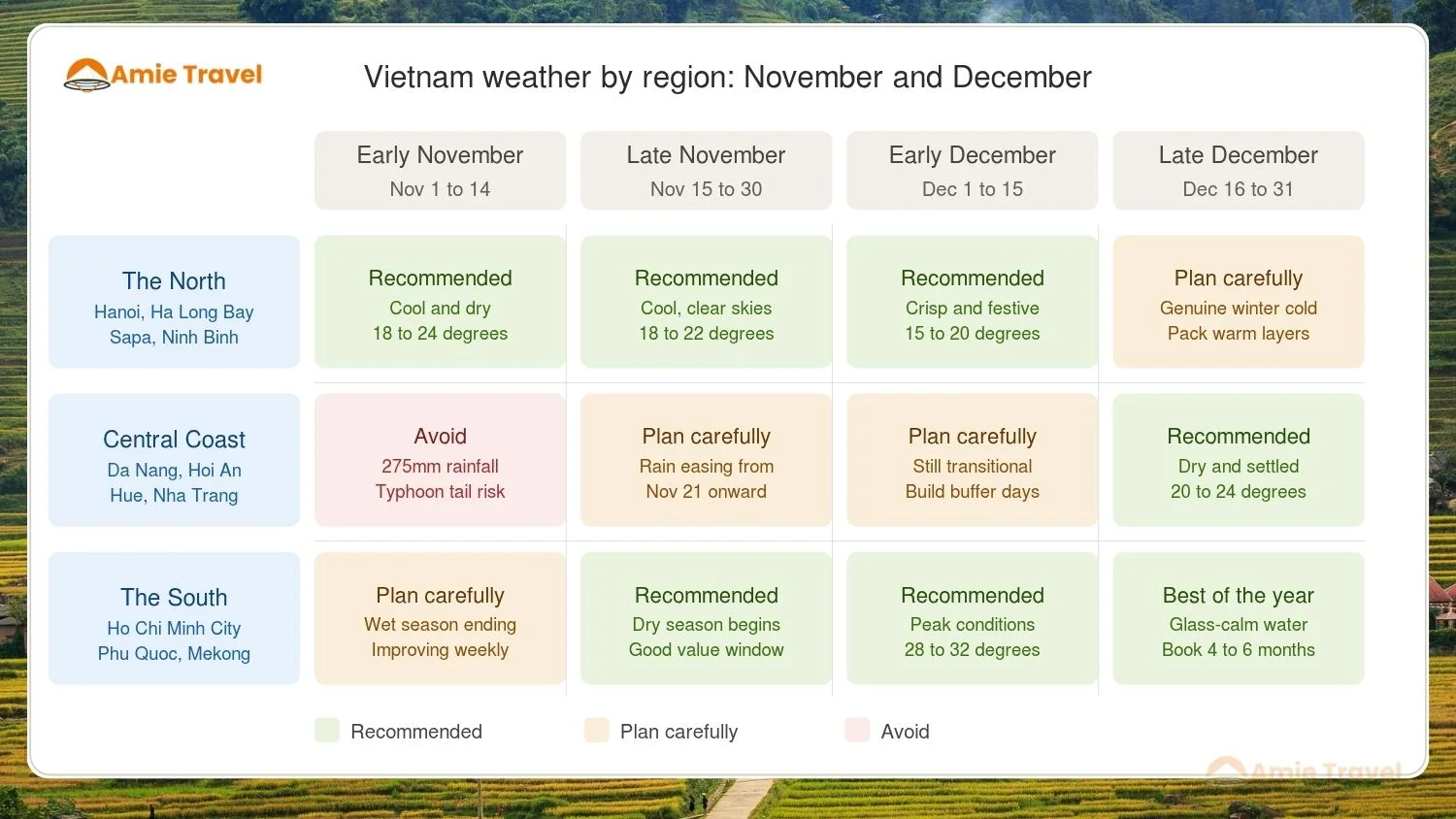
Regional Weather Breakdown: November and December
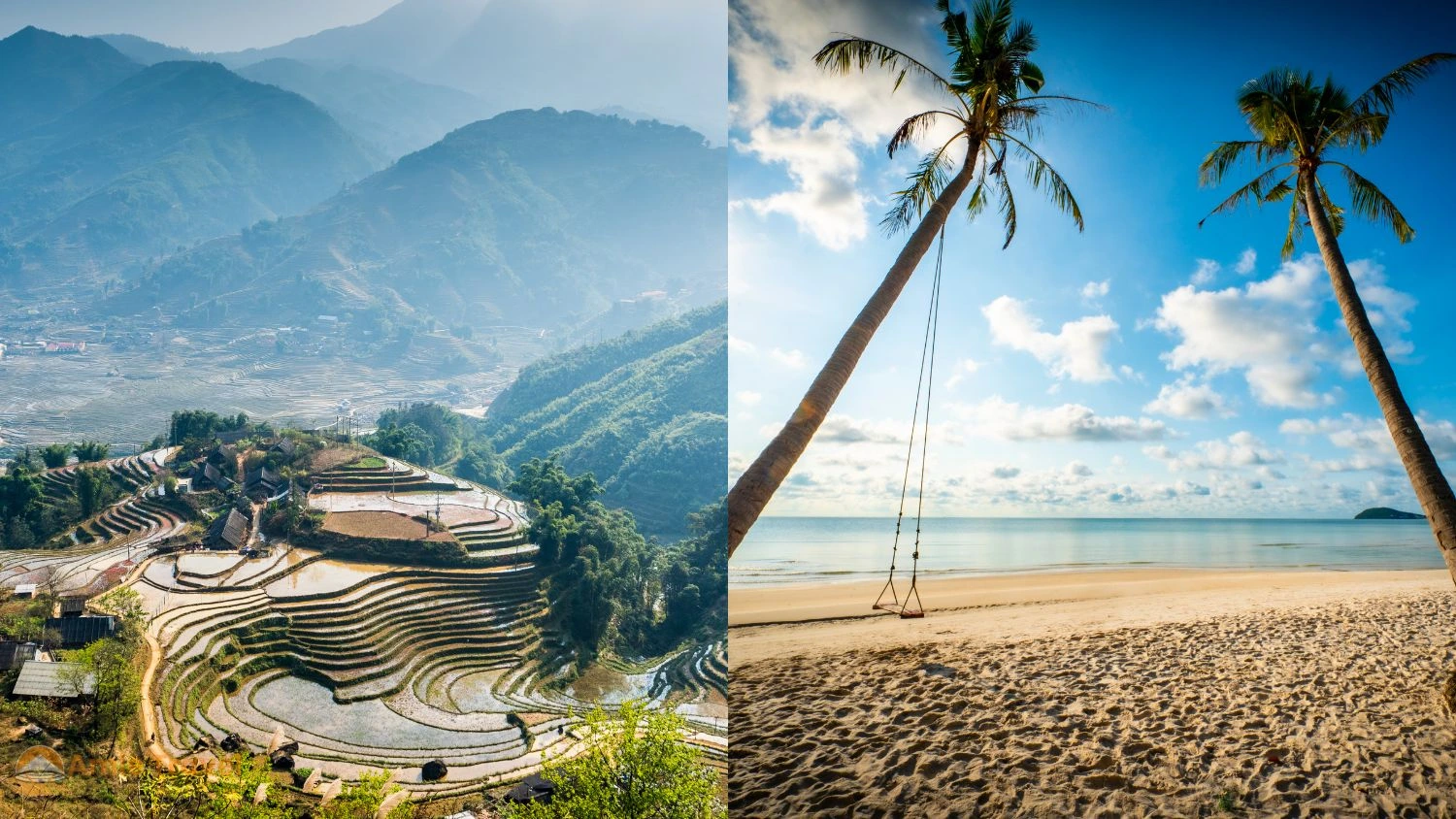
Weather data referenced in this section is sourced from Vietnam’s National Centre for Hydro-Meteorological Forecasting (nchmf.gov.vn), the official government agency for weather monitoring and forecasting across all regions of the country.
The North: Hanoi, Ha Long Bay, Sapa, Ninh Binh
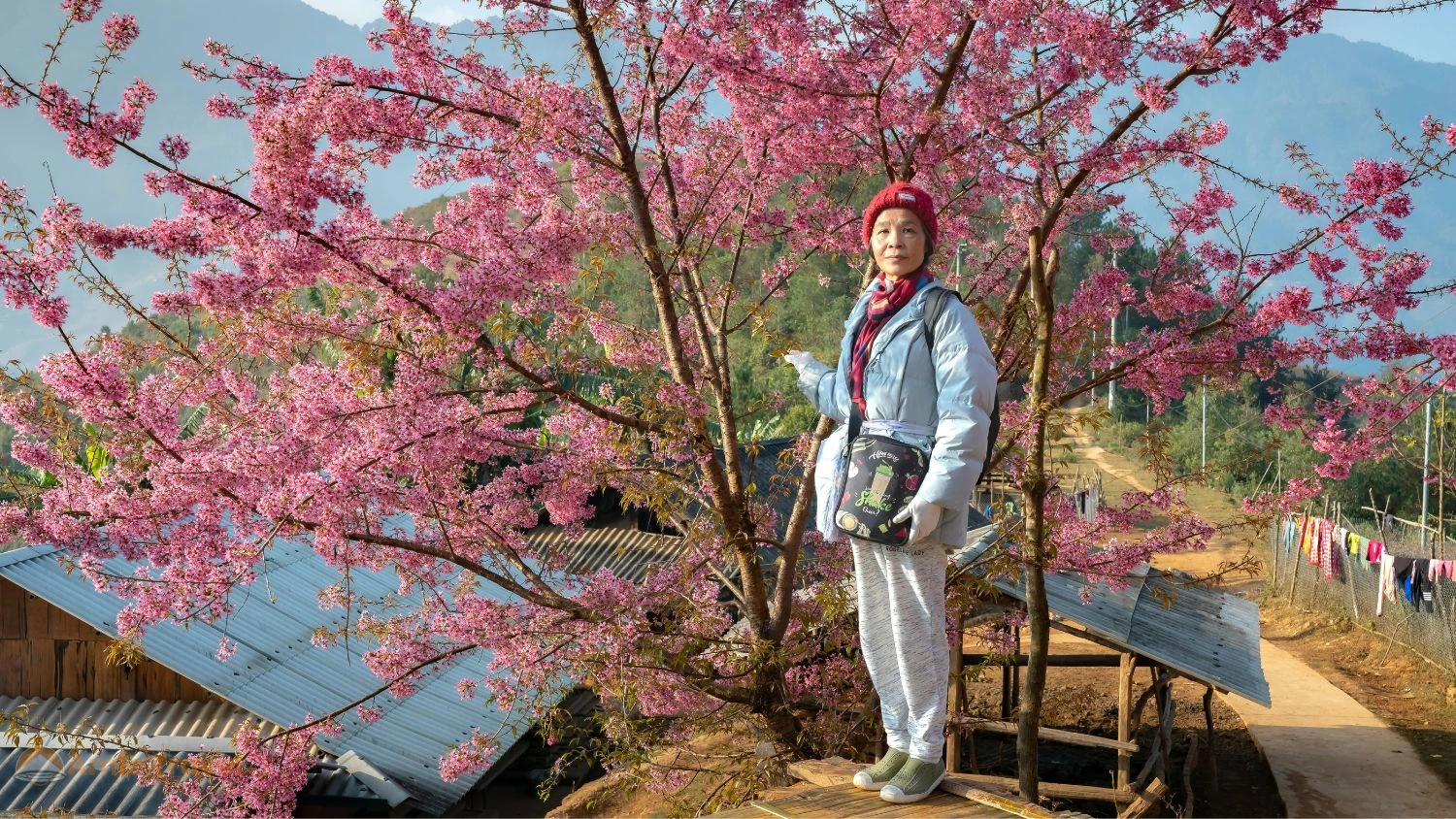
November in the North is what long-term Hanoi residents call the best time of year. Average temperatures drop from a comfortable 24 degrees in early November to around 18 to 20 degrees by month’s end. Humidity falls noticeably. The city takes on a golden, low-light quality in the afternoons that is completely different from the flat brightness of peak season. The Old Quarter moves at a pace that summer visitors never encounter. Street food tastes better when it is cold outside.
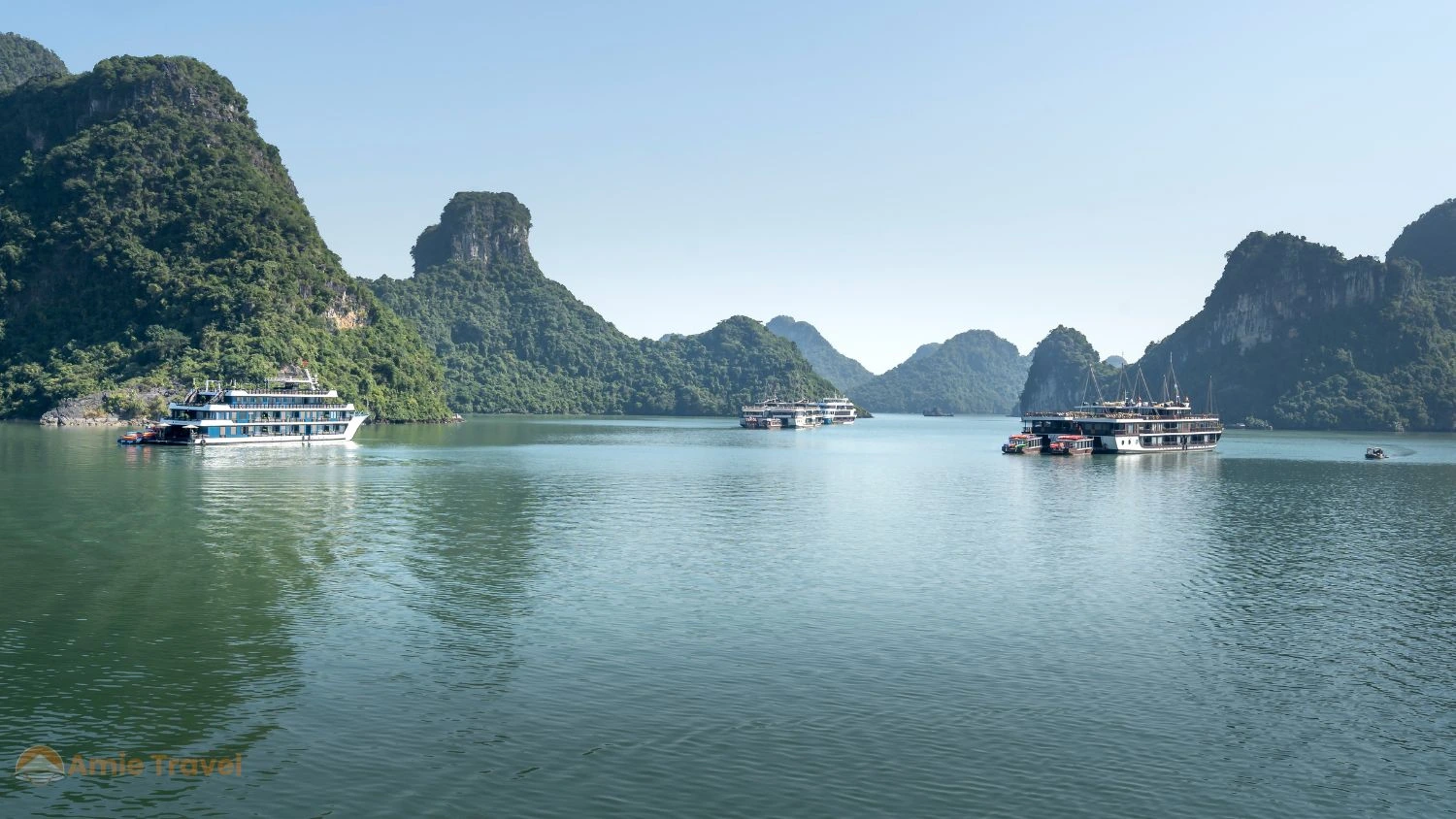
Ha Long Bay in November sits in one of its two best windows of the year. Water is calm, visibility is good for kayaking through cave systems, and morning mist sits on the limestone karsts before lifting into clear blue skies by mid-morning on most days. A two-night cruise in November is what most people picture when they imagine Ha Long Bay, and the reality matches.
December in the North is genuine winter. Hanoi averages 15 to 20 degrees with late December evenings dropping to 12 or 13 degrees. The city is decorated for Christmas and New Year, which has grown into a significant event in Hanoi’s city center and cathedral district. The atmosphere is festive in a way that feels local rather than staged.
Ha Long Bay in December rewards travelers who accept the conditions. The bay is cool, often misty, and dramatically atmospheric. Limestone karsts emerging from low cloud at dawn produce one of the most photographed experiences in Vietnam. Water temperatures drop to 20 to 22 degrees, which is too cold for swimming but irrelevant for kayaking and cave exploration. Cruise operators run normally throughout December.
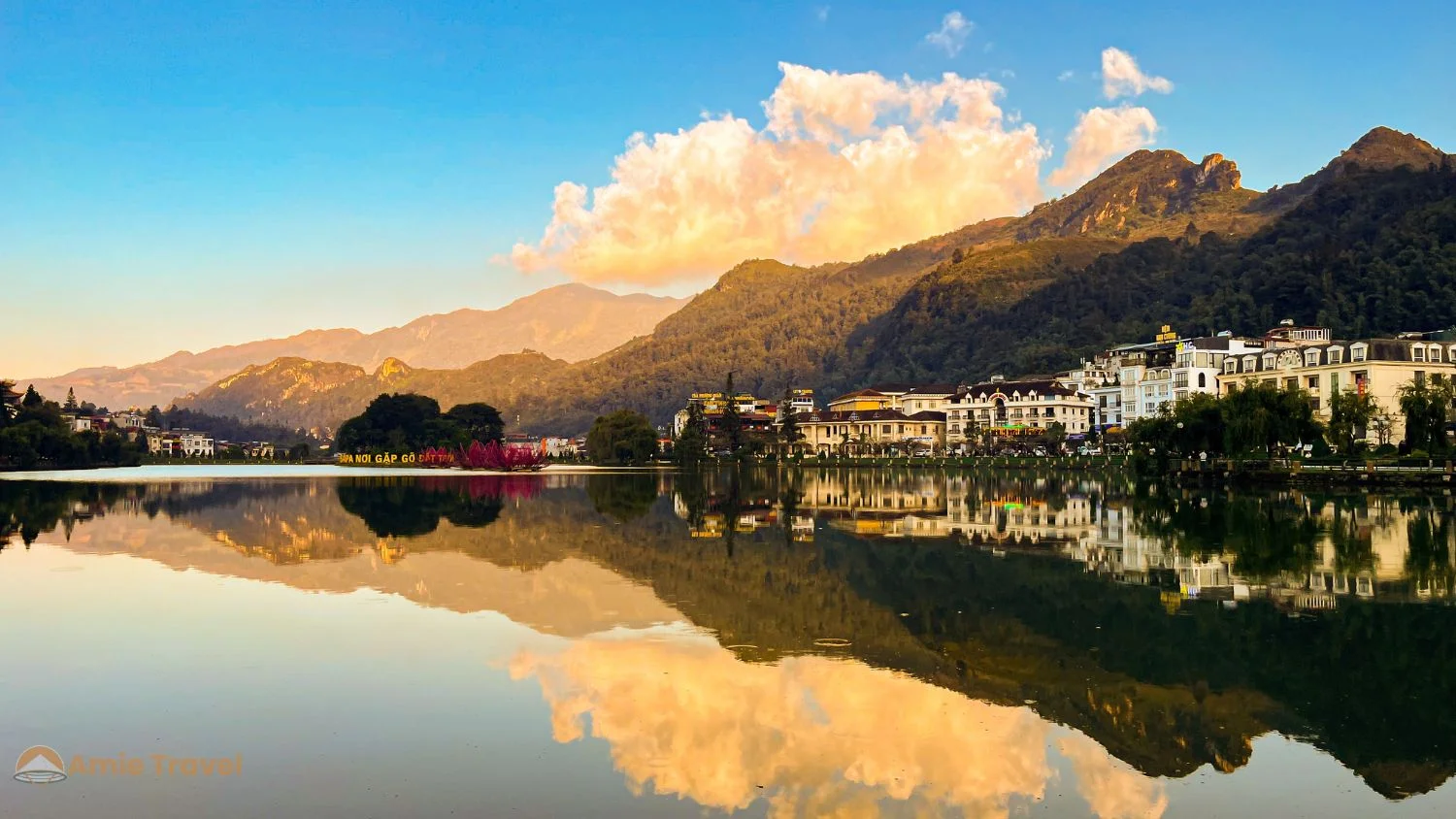
Sapa in December is cold and requires honest preparation. Temperatures range from 8 to 15 degrees during the day and drop near or below freezing at night in higher elevations. Light snowfall is possible in late December. Trekking is possible with proper gear: thermal layers, waterproof jacket, warm hat and gloves. For travelers who specifically want Sapa in winter conditions, this is the window. For everyone else, October or March are better choices.
The Central Coast: Da Nang, Hoi An, Hue, Nha Trang
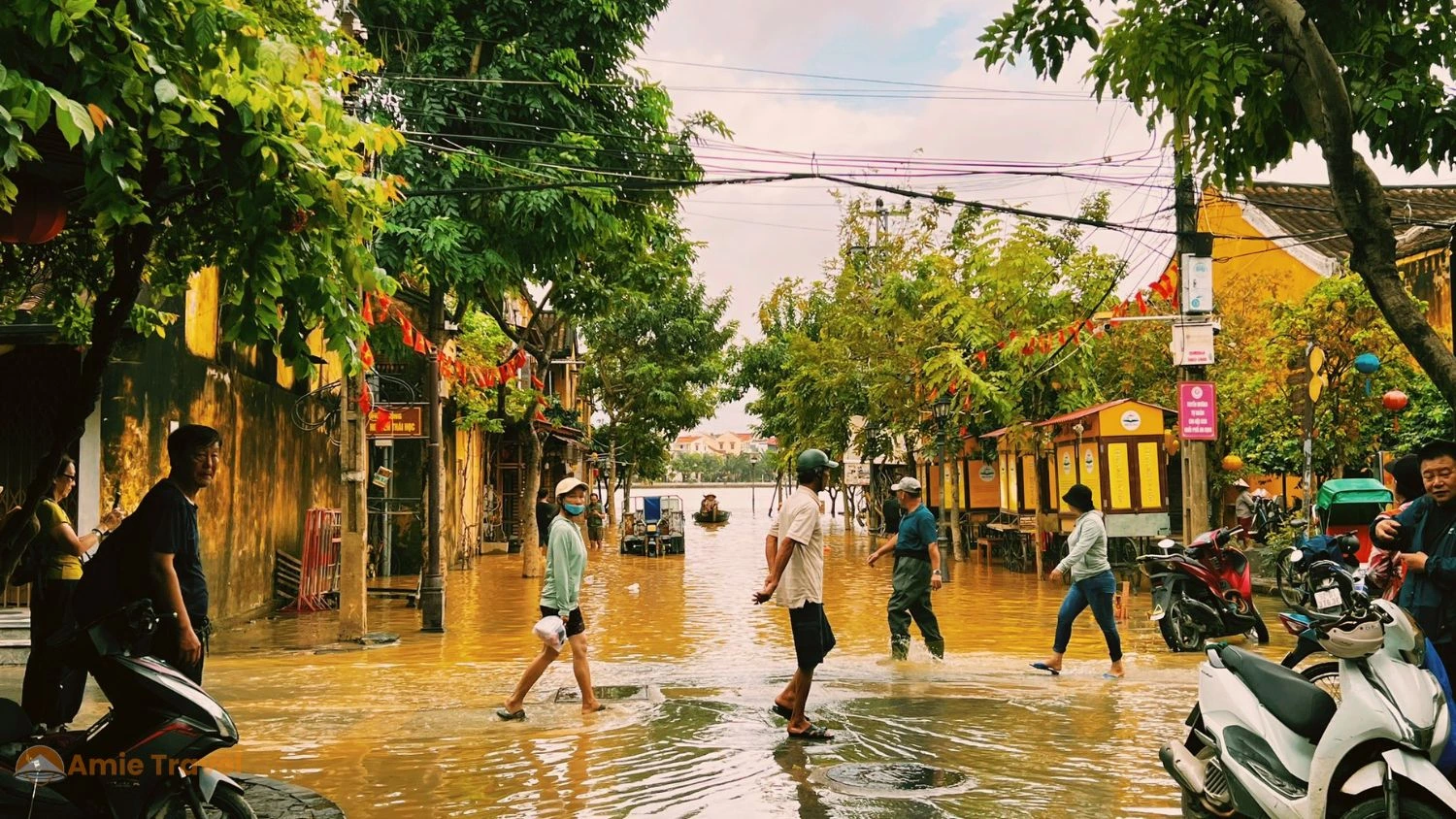
This is the most important regional caveat in Vietnam’s entire weather calendar, and it catches more first-timers off guard than any other single fact.
November on the Central Coast is unpredictable, not impossible. Da Nang records an average of 24 rainy days and 275mm of rainfall in November, its wettest month of the year. Hue receives 233mm in November, also its annual peak. Hoi An floods regularly in early November. The turning point happens around the third week of the month: rainfall in Da Nang drops significantly from the 21st onward, and by late November conditions are meaningfully better.
Our honest advice to clients: if your Central Coast dates fall in the first two weeks of November, build buffer days into your schedule and purchase travel insurance that explicitly covers weather disruptions. If your dates fall in the last 10 days of November, conditions are largely workable.
December on the Central Coast is transitional in the first half, then settled. Early December in Da Nang and Hoi An still carries the tail end of the rainy season. By mid-December, rainfall drops to manageable levels and conditions improve steadily through the rest of the month. Temperatures in Hoi An and Da Nang sit at a comfortable 20 to 24 degrees in December, cool enough for walking all day without summer heat becoming an issue. Christmas and New Year in Hoi An is genuinely beautiful: lanterns, decorations, and a festive atmosphere that draws significant crowds. Accommodation in late December Hoi An requires booking 3 to 4 months ahead.
Nha Trang sits further south and its rainy season peaks earlier, in October. By mid-November, Nha Trang is moving into cleaner weather, and by December the city records only 50 to 70mm of rainfall across the month, mostly brief afternoon showers. Temperatures between 23 and 28 degrees and good diving visibility make it a reliable Central Coast option when Da Nang and Hoi An are still drying out.
The South: Ho Chi Minh City, Mekong Delta, Phu Quoc
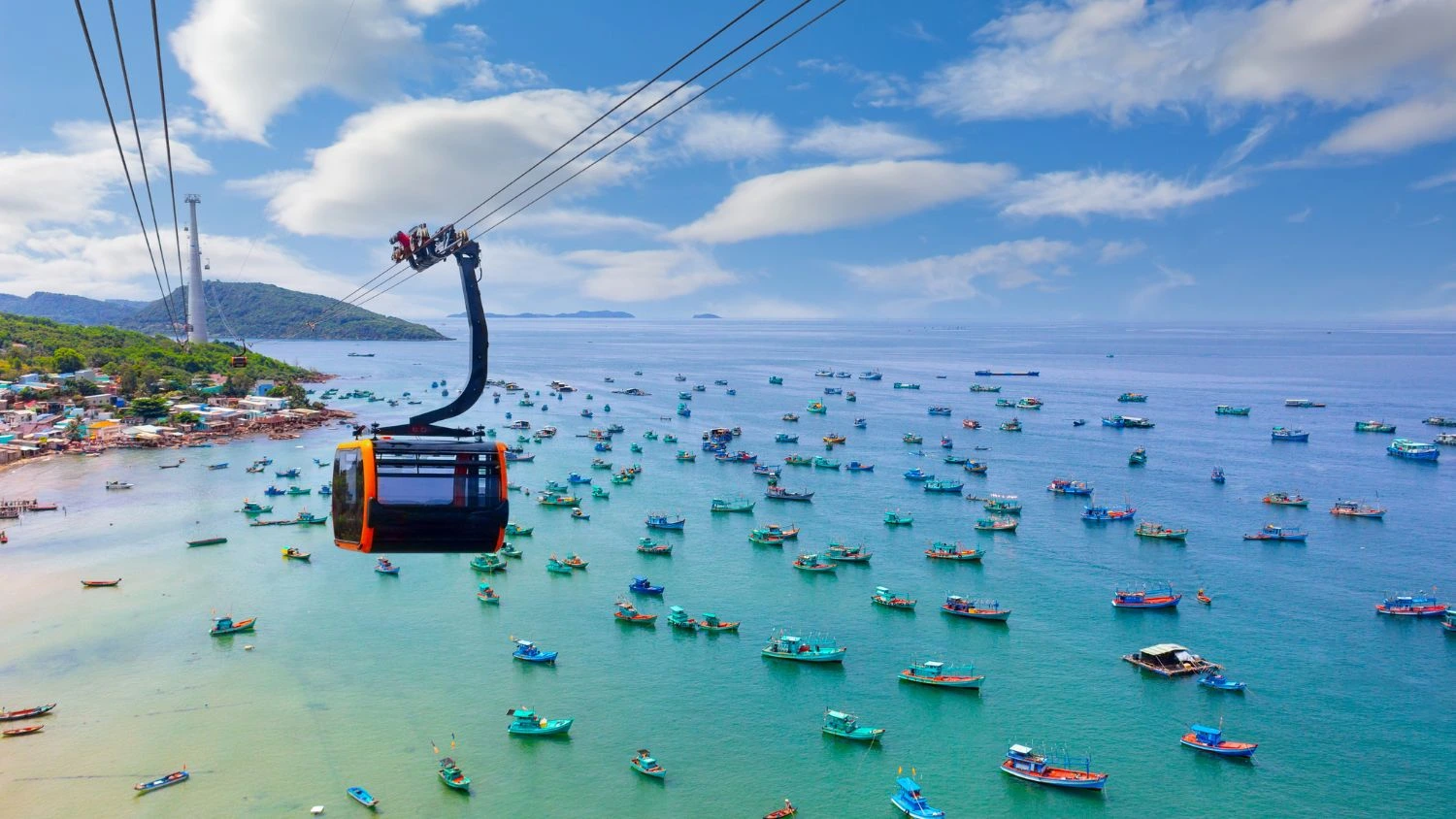
November in the South is the turning point. Ho Chi Minh City sees rainfall drop from around 270mm in October to approximately 117mm in November, with sunshine hours increasing week by week. By the second half of November, the South is largely in dry season mode. Average temperatures of 24 to 31 degrees, dropping humidity, and increasingly reliable morning sunshine from the second week onward.
December in the South is the best month of the year, and the data supports this without qualification. Ho Chi Minh City sees daytime highs of 30 to 33 degrees, lows around 23 to 25 degrees, and just 2 to 4 rainy days across the entire month with less than 30mm of total rainfall. The city is buzzing with Christmas and New Year energy. Phu Quoc has glass-calm water, 26 to 28 degree sea temperatures, underwater visibility of 15 to 20 meters, and 8 to 10 hours of sunshine per day. The Mekong Delta is navigable, green, and running at its most photogenic for boat trips and floating market visits.
Top 5 Places to Visit in November and December
1. Phu Quoc Island: Best for Beach Escapes
The ocean around Phu Quoc in late November and December is as calm as it gets anywhere in Southeast Asia at this time of year. Jellyfish that appear during the wet season are gone. Visibility for snorkeling and diving is exceptional. The island has not yet hit its January peak pricing, making late November a particularly good value window for travelers who want near-perfect conditions at below-peak rates.
Book accommodation 4 to 6 months ahead for any dates from December 20 onward. The island sells out at quality properties around Christmas and New Year.
Explore our Vietnam Honeymoon Tour: Nha Trang Beach and Ha Long Bay for a curated southern and coastal itinerary that works perfectly in this window.
2. Hanoi: Best for Culture and Food
Hanoi in November and December is a different city from the one that peak-season visitors experience. Walking through the Old Quarter in early winter chill and stopping for a steaming bowl of pho or an egg coffee at a narrow street-side stall is one of the most genuinely Vietnamese experiences the city offers. The cold frames the food differently. The city moves at a pace you cannot find in March or October.
Major hotels and restaurants in Hanoi are decorated for Christmas and host Gala Dinners from December 20 onward. The New Year’s Eve fireworks at Hoan Kiem Lake draw large crowds and are worth positioning yourself for.
See our 7-Day North Vietnam Tour: Hanoi, Ha Long Bay, Sapa and Fansipan for an itinerary built around this exact seasonal window.
3. Ha Long Bay: Best for Clear-Sky Cruising
November and December sit in Ha Long Bay’s two best cruising windows of the year. Dry weather, deep blue skies in the afternoon, and the early morning mist that makes the limestone karsts genuinely mystical rather than simply scenic. The bay is at its most photographed during this season for good reason.
November offers better value than December. December delivers the full atmospheric experience but requires earlier booking as peak season approaches. A two-night cruise in either month is significantly better than a one-night option for experiencing the bay properly beyond its entrance.
The UNESCO World Heritage Site listing for Ha Long Bay notes the bay’s exceptional natural beauty, which the late autumn and winter mist conditions actively enhance rather than compromise.
Book through our 7-Day North Vietnam Tour which includes a Ha Long Bay cruise as part of the northern circuit.
4. Ha Giang and the Northern Mountains: Best for Adventure
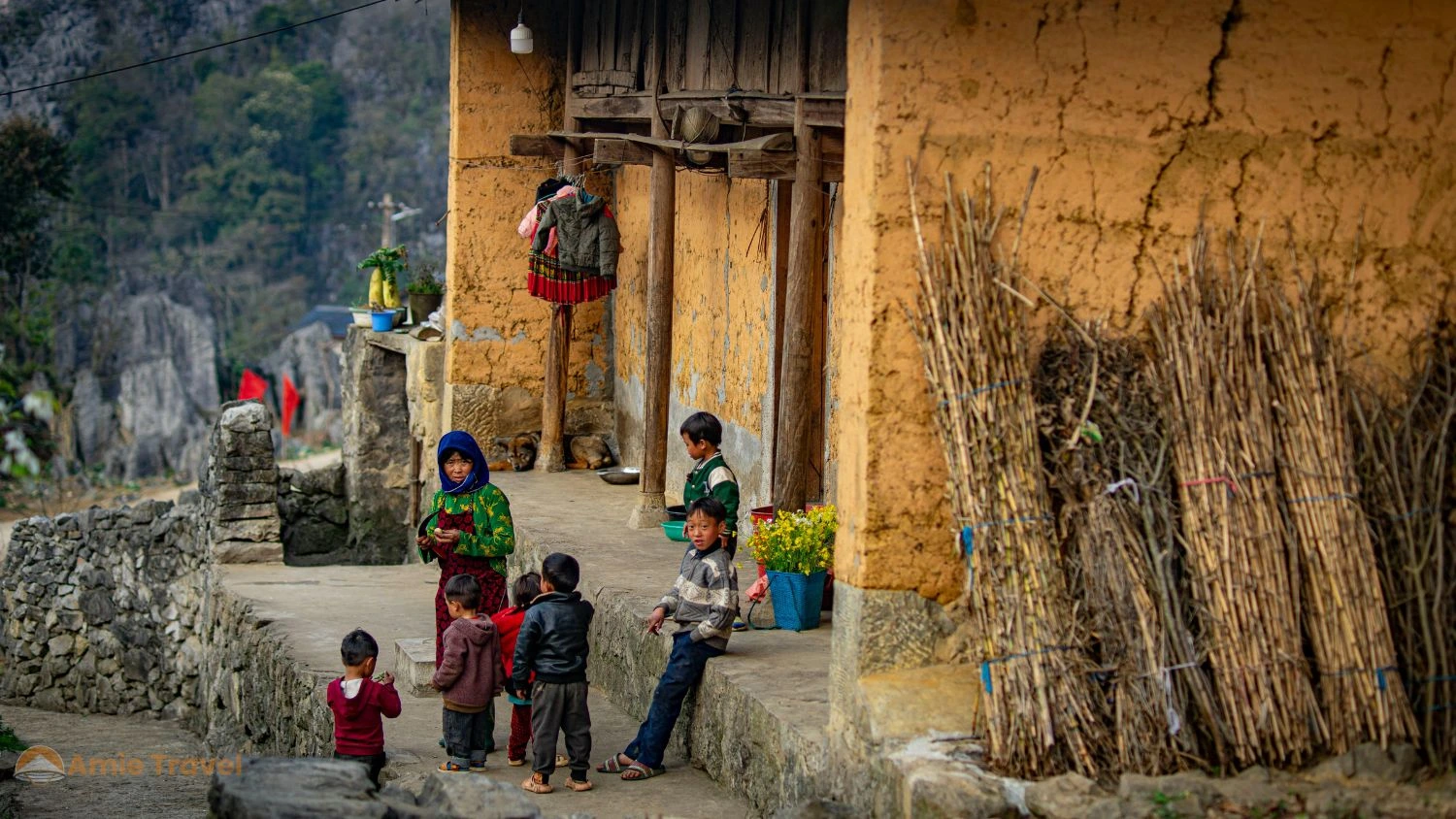
November is the month that serious Vietnam travelers build their Ha Giang trips around. The famous buckwheat flower, known locally as Hoa Tam Giac Mach, blooms across the rocky plateau in October and November, turning the landscape between Dong Van and Meo Vac a deep pink-purple color against the limestone backdrop. This is one of the most visually striking seasonal events in northern Vietnam and one of the least covered in English-language travel content.
The Ha Giang Loop in November runs in cool, clear conditions with mountain road visibility at its best. By December, temperatures at Ha Giang’s elevation drop significantly and the flower season ends, but the dramatic karst landscape and ethnic minority market culture continue year-round.
The Ha Giang provincial government tourism portal publishes annual buckwheat flower bloom updates that are worth monitoring if you are timing a visit specifically for this event.
Explore our Vietnam Adventure Tours for active itineraries that include northern mountain routes in this season.
5. Pu Luong Nature Reserve: Best for Cloud Hunting
This is the destination that experienced Vietnam travelers know about in November and December, and that most international travel guides have not written about yet.
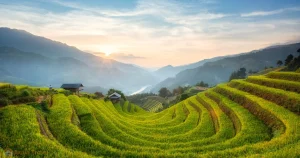
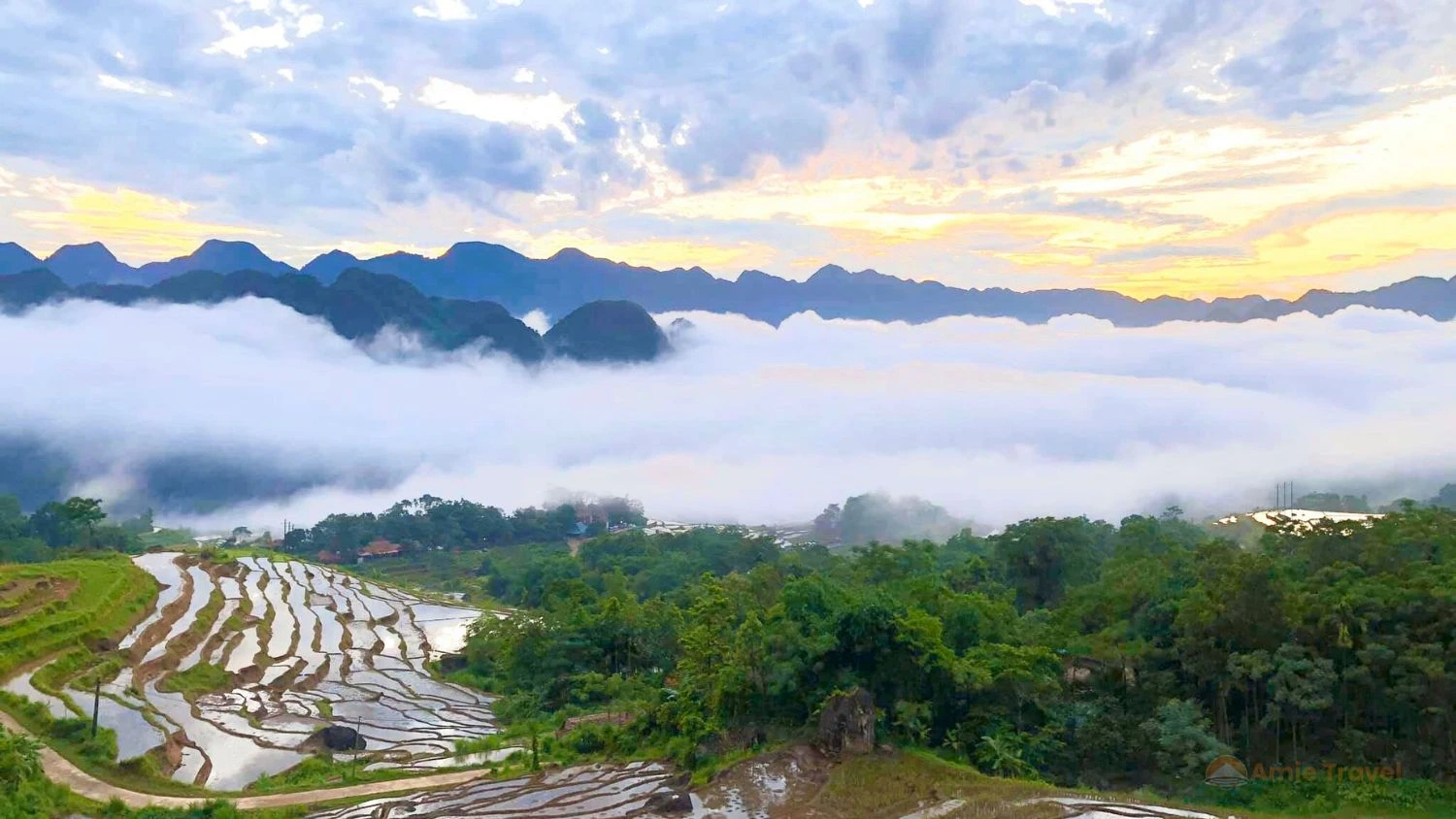
Pu Luong sits in a valley between two limestone karst ridges in Thanh Hoa province, four hours southwest of Hanoi. In November and December, cold air from the north moves through the valley overnight and meets warmer air trapped between the ridges. The result is thick, low cloud that fills the valley floor before dawn and sits below the ridge viewpoints until 8 or 9 AM before burning off completely.
The rice harvest has finished by November, which means the terraces are bare. This is not a disadvantage. The structural landscape becomes more visible without the rice: waterwheel, stilt houses of the White Thai villages, the geometry of the terrace walls, and the karst ridges above them. Domestic Vietnamese travelers already know and specifically book this window for the san may (cloud hunting) experience. The viewpoints above Ban Don and Kho Muong villages sit above the cloud line and look down onto the filled valley at dawn.
One honest note: not every morning produces cloud. The phenomenon is most reliable in November when the temperature differential between night and day is sharpest. If cloud hunting is your specific goal, plan two mornings in Pu Luong rather than one. The second morning exists as your backup and costs nothing extra to include in a Hanoi extension.
See our complete Pu Luong Tours and Travel Guide for homestay options, viewpoint locations, and how to add Pu Luong to a Hanoi-based itinerary.
What to Pack for a Two-Climate Trip

November and December travelers face a packing challenge that most Vietnam visitors do not: you are almost certainly packing for two or three different climates within a single trip.
For the South (Ho Chi Minh City, Phu Quoc, Mekong Delta): Light breathable clothing. Swimwear. SPF 50 sunscreen. A light layer for air-conditioned restaurants and transport. No jacket needed.
For the Central Coast (Da Nang, Hoi An, Hue, Nha Trang): Light clothing plus a mid-layer for December evenings. A compact rain jacket for early November or early December travel. Comfortable walking shoes for Hoi An’s uneven old town streets.
For the North (Hanoi, Ha Long Bay, Ninh Binh): November: light layers with one warmer option for evenings. December: a genuine warm layer is not optional. A packable down jacket or thick fleece for Hanoi evenings. For Sapa in December: thermal base layer, waterproof outer layer, warm hat and gloves. The cold at elevation in late December is real and catches underprepared travelers every year.
The practical solution for a full north-to-south trip: Pack one lightweight, compressible jacket that handles Hanoi December evenings. It packs flat in your bag while you are in Phu Quoc and costs you nothing in luggage weight. Do not try to buy warm layers in Ho Chi Minh City on your way north. The selection is limited and the prices are high.
Year-round essentials regardless of region: Modest clothing covering shoulders and knees for temple and pagoda visits. Slip-on shoes that come off quickly at religious sites. The Grab app downloaded before arrival. A reusable water bottle.
Recommended Itineraries for November and December
The Southern Sunshine Route
Best for: Travelers who want guaranteed warmth and beach conditions, or those coming from cold climates who want to escape winter entirely.
Ho Chi Minh City (3 nights) / Mekong Delta day trip / Phu Quoc (4 nights) / optional Nha Trang add-on (2 nights)
This route works from mid-November onward and is flawless throughout December. No weather risk, no packing complexity, and Phu Quoc in December is one of the best beach experiences in Southeast Asia.
Browse our Vietnam Family Tours for a southern-focused itinerary that works for all ages in this season.
The Classic Vietnam in December
Best for: First-timers wanting the full north-to-south experience with the best conditions across all three regions.
Hanoi (3 nights) / Ha Long Bay cruise (2 nights) / fly to Da Nang / Hoi An (3 nights) / fly to Ho Chi Minh City (2 nights) / Mekong Delta day trip
Book this specifically for December rather than November so Hoi An is past its rainy transition period and looking its best. The Christmas and New Year festive atmosphere in both Hanoi and Ho Chi Minh City adds a layer of energy that makes this itinerary particularly good in the final weeks of December.
Our 11-Day Vietnam Active Adventure: Hike, Bike and Kayak covers this full north-to-south route with active experiences built into each destination. It runs well in both November (for the North and South) and December (across all three regions).