The Quick Answer
- January 2027: Peak dry season across all regions. Cold in the North, perfect in the South and Central Coast. High season pricing. Straightforward to plan. Pre-Tet energy building through the month.
- February 2027: Same weather, completely different planning reality. Tet Day is February 6. The holiday window runs approximately January 31 to February 9. The pre-Tet window from January 20 onward is the most visually extraordinary period in Vietnam’s annual calendar.
- The bottom line: January is the easier month to travel. February rewards travelers who understand how Tet works. Both months offer some of the best weather Vietnam produces all year.
January vs February 2027: What Is the Real Difference?
The weather answer is simple. January and February are both excellent. Dry season holds across the South throughout both months. The Central Coast runs clear and warm. The North is cool and dry with occasional morning mist. No typhoons, no monsoon, no significant rain risk anywhere in the country during either month.
The planning answer is more layered, and it centers entirely on one date.
Tet 2027 falls on Saturday, February 6. The official public holiday runs from approximately January 31 through February 9, combining statutory Tet days with surrounding weekends. What this means in practice:
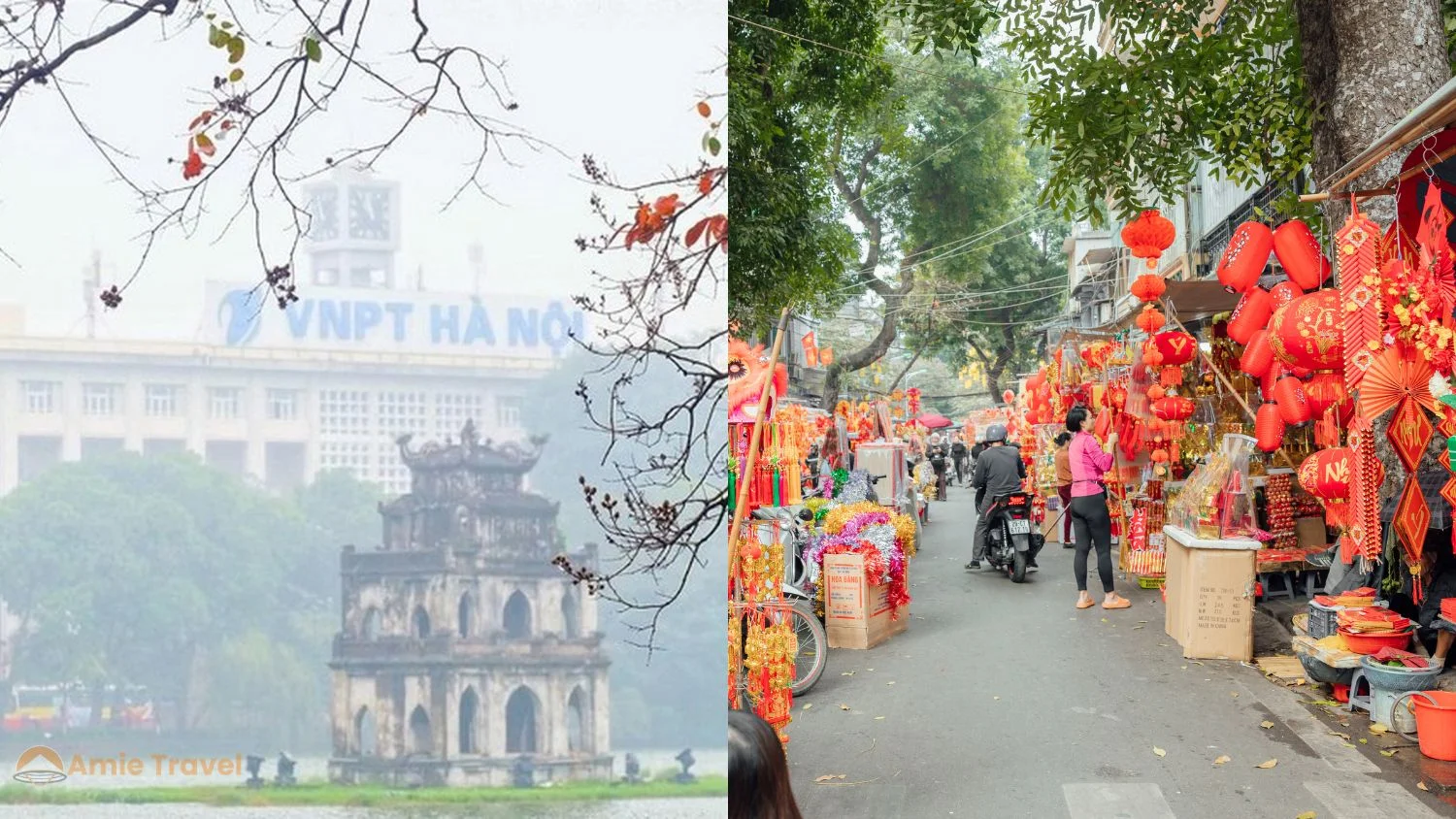
The last 10 days of January are the pre-Tet buildup. Cities fill with flower markets, peach blossom trees appear on every street corner, Hang Ma Street in Hanoi’s Old Quarter transforms into a corridor of red and gold decorations. This is one of the most visually alive periods Vietnam produces. International visitors who arrive in late January and do not know what they are walking into often describe it as the most unexpected highlight of their trip.
February 1 to 5 is peak domestic travel as tens of millions of Vietnamese travel home for the holiday. Domestic flights, trains, and buses are at absolute capacity. Remaining tickets have already been bought weeks earlier. Prices on any inventory left are 30 to 50 percent above standard rates. Inter-city movement during this window without pre-booked transport is not difficult. It is effectively impossible.
February 6 to 9 is the core holiday. Family-run restaurants close. Local tour operators close. Small businesses close for three to five days. What stays open: international hotels, major tourist attractions with adjusted hours, chain convenience stores.
From February 10 onward the country gradually resumes. By mid-February, conditions are normal and the weather remains excellent for the rest of the month.
The travelers who have the best February experience are those who arrive by January 25, witness the pre-Tet buildup, stay in one city through the core holiday days, and resume travel from February 10. The ones who struggle arrive February 3 expecting a normal trip.
Regional Weather Breakdown: January and February
The North: Hanoi, Ha Long Bay, Sapa, Ninh Binh
January in the North is the coldest and most atmospheric month of the year. Hanoi averages 14 to 20 degrees during the day with evenings dropping to 12 degrees or below. Rainfall is minimal at around 22mm for the whole month, with only 3 hours of sunshine per day on average and frequent low cloud that clears by mid-morning on most days.
On the ground, this creates one of the most rewarding versions of Hanoi that exists. The Old Quarter moves at a pace that peak-season visitors never experience. Steam rises off pho bowls at street-side stalls. Egg coffee tastes noticeably better when it is cold outside. The city is quiet, walkable, and genuinely itself in a way that is impossible to replicate in March or October.
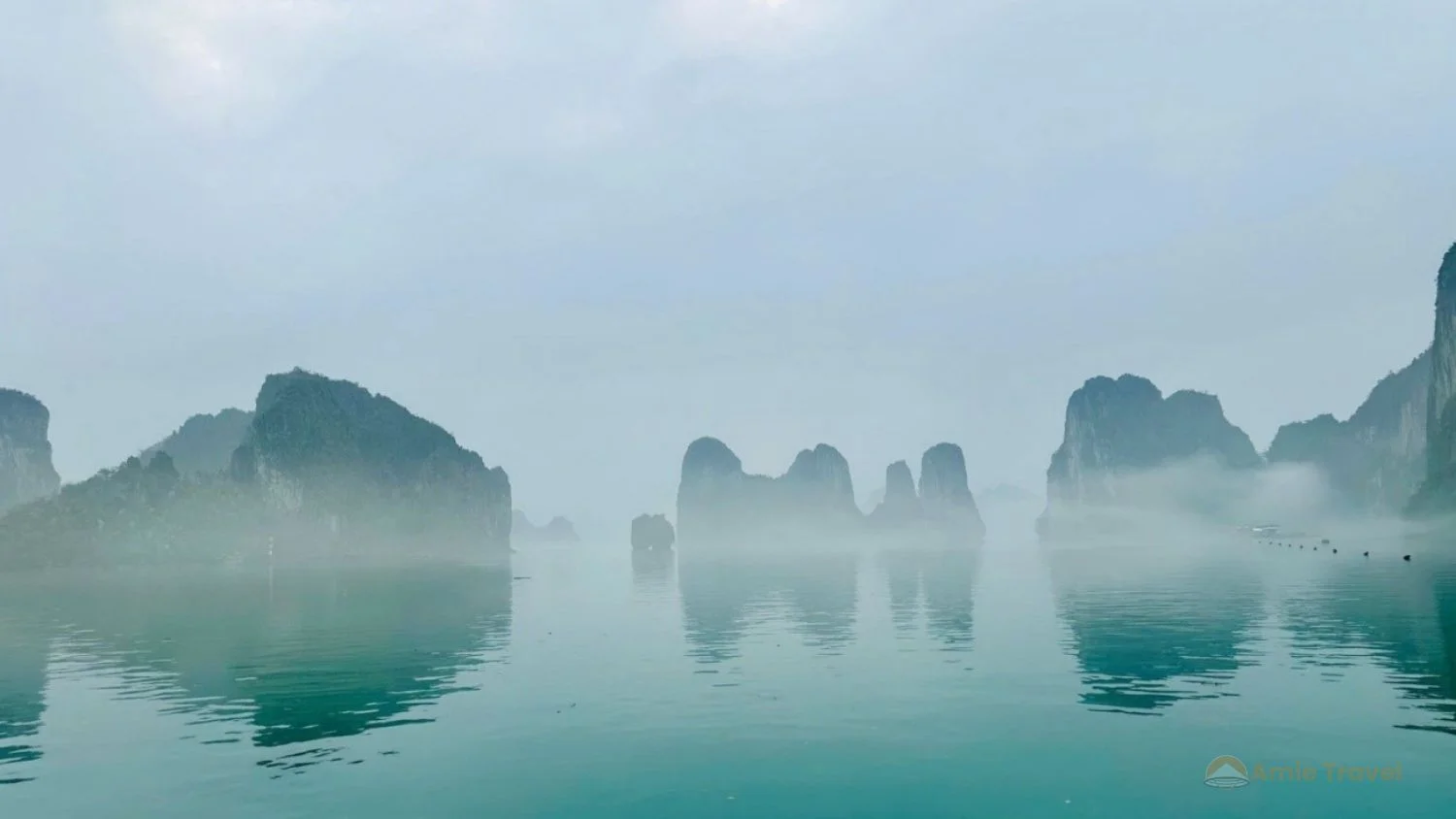
Ha Long Bay in January averages 12 to 19 degrees with morning mist sitting on the karst formations before lifting by 9 or 10 AM. Rainfall is around 15mm for the month. Zero typhoon risk. The misty atmospheric version of Ha Long Bay that appears in most photography is specifically a January and February phenomenon.
Sapa in January is the one month where Fansipan, at 3,143 meters, occasionally sees frost and light snow. Daytime temperatures in Sapa town range from 5 to 12 degrees with nights approaching freezing. For travelers who specifically want the winter highland experience, this is the window. For everyone else, October is the better choice for trekking and village culture.
February in the North warms slightly. Hanoi averages 16 to 23 degrees by mid-month. The bigger change is pre-Tet energy. From January 20 onward, peach blossoms and kumquat trees begin appearing at markets. By late January, the flower markets at Nhat Tan Lake in Hanoi are operating at full capacity and the city carries a warmth and anticipation that does not exist at any other time of year.
For those who want spring flowers in the mountains without the Sapa crowds, Moc Chau plateau, four hours from Hanoi, peaks in late January to mid-February with white plum blossoms (Hoa Man) covering the hillsides above tea plantations and ethnic minority villages. It is one of the most visually striking seasonal events in the North and one of the least known among international travelers.
The Central Coast: Da Nang, Hoi An, Hue, Nha Trang

January and February are genuinely good months for the Central Coast. Most first-time visitors are surprised by this because October and November travel warnings create a lingering reputation for rain that does not apply to this window at all.
Da Nang in January averages 19 to 25 degrees with 3.5 to 5 hours of sunshine per day and minimal rainfall. Hoi An in January is at its coolest of the year, 18 to 23 degrees, which is ideal for walking and cycling through the Ancient Town without the heat that makes the same activity exhausting in July.
Hue in January runs 17 to 23 degrees with occasional cool drizzle in the first half of the month. By late January, conditions are largely settled. The imperial citadel, royal tombs, and Thien Mu Pagoda are all significantly more comfortable to explore in January’s cool temperatures than at any point during the summer.
February on the Central Coast is warmer and drier than January. Temperatures in Da Nang and Hoi An move to 20 to 26 degrees. Sunshine hours increase. Sea temperatures begin rising toward the more comfortable swimming window that arrives properly in March.
Nha Trang runs slightly warmer throughout both months, 21 to 25 degrees in January and 23 to 28 degrees by February. Better sea temperatures and more sunshine hours make it the most reliable Central Coast option for beach conditions in these two months.
The South: Ho Chi Minh City, Mekong Delta, Phu Quoc
The South in January and February is the best it gets all year. Peak dry season, warm temperatures, minimal rainfall, and conditions that make Vietnam’s southern islands genuinely competitive with any beach destination in Southeast Asia.
Ho Chi Minh City in January averages 28 to 32 degrees with just 1 to 2 rainy days across the entire month. The city is buzzing with pre-Tet preparations, culminating in the extraordinary visual spectacle of flower streets and market decorations in late January.
Phu Quoc in January and February delivers 28 to 30 degree sea temperatures, underwater visibility of 15 to 20 meters, glass-calm water, and 8 to 10 hours of sunshine per day. This is the southern island at its absolute best.
The Mekong Delta in January is navigable, photogenic, and running at its most accessible. Floating markets in Can Tho operate at full capacity on calm, clear mornings. Cool dry air and low humidity make the boat trips genuinely comfortable.
February in the South is fractionally warmer than January. Ho Chi Minh City begins moving toward its hottest period, 30 to 33 degrees by mid-February. The dry season holds throughout. Tet affects the South just as it does the North: transport sells out and the city takes on a quiet, unusual character for three to four days before resuming fully.
The Tet Factor: What February 2027 Actually Looks Like Week by Week
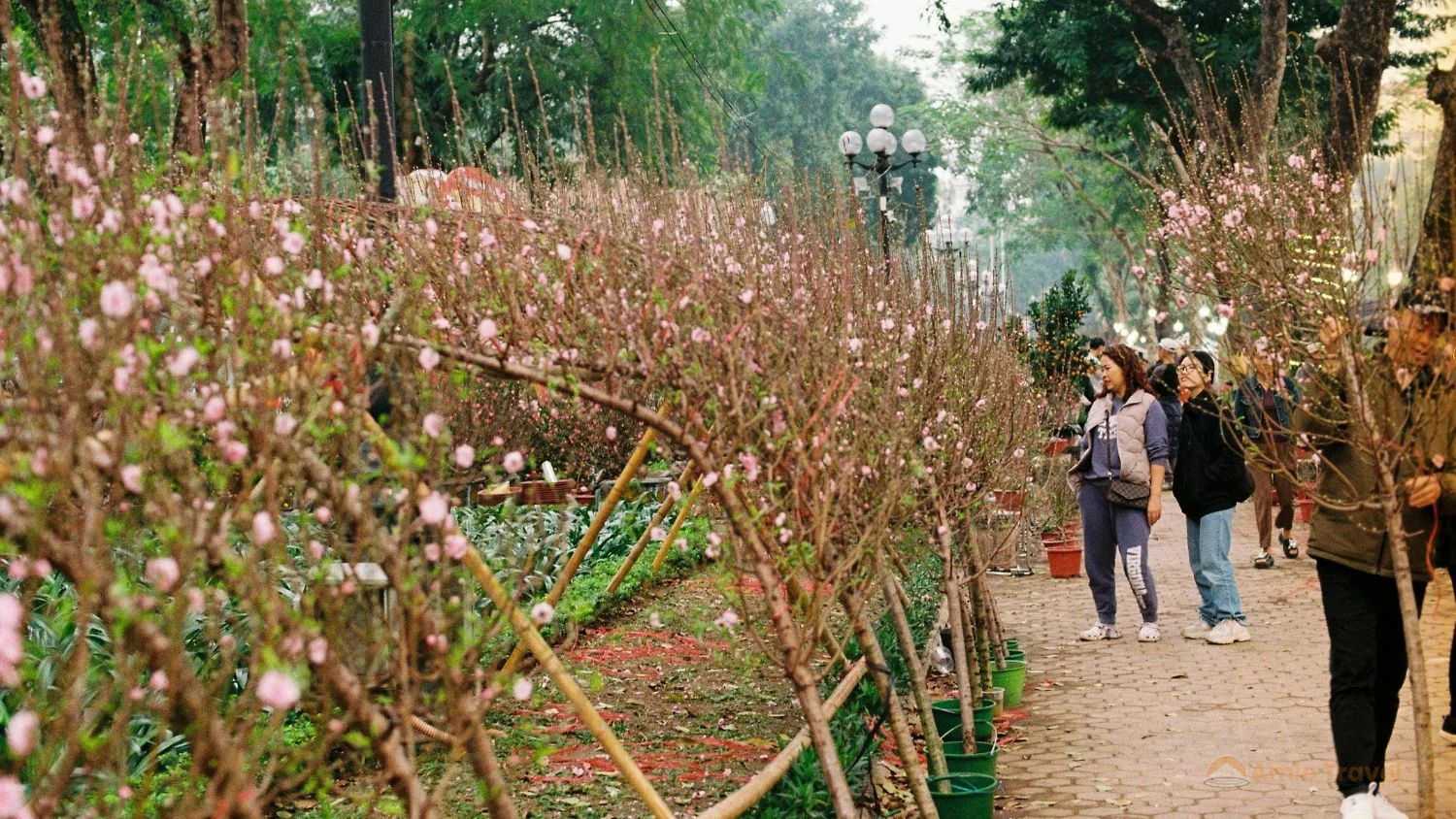
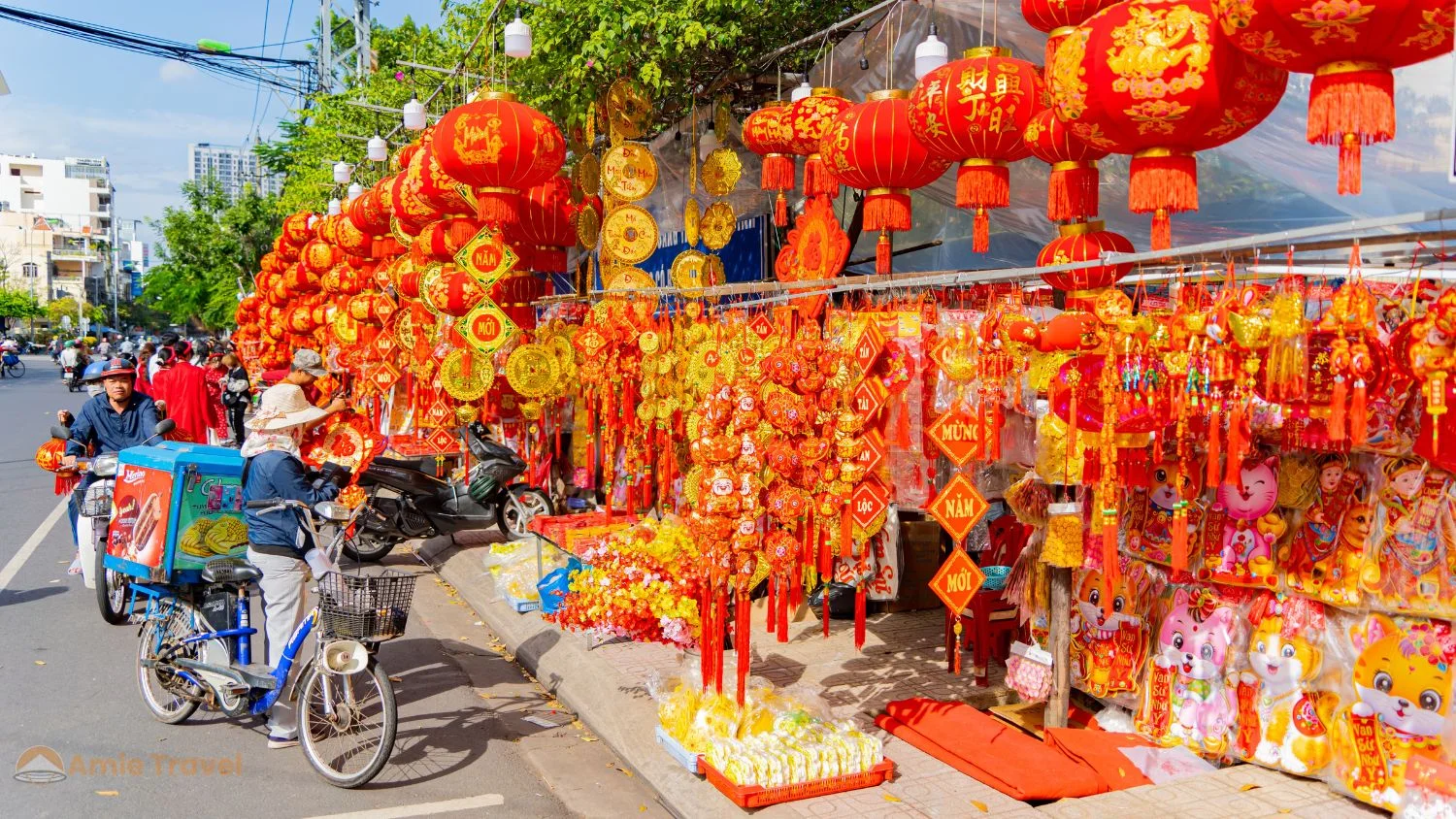
January 20 to 30: The Pre-Tet Buildup Flower markets open across major cities. Hang Ma Street in Hanoi’s Old Quarter fills with red and gold Tet decorations for 500 meters of the historic lane. Nhat Tan Lake hosts the annual peach blossom market. Ho Chi Minh City’s flower street on Nguyen Hue Walking Street is installed and lit. The country is preparing rather than celebrating, which means everything is still open, fully operational, and more visually extraordinary than any other time of year.
January 31 to February 5: Peak Travel Days Domestic transport reaches its annual maximum. Airlines run additional flights but sell out weeks in advance. Train tickets on the Reunification Express are gone months earlier. If you need to move between cities during this window without pre-booked transport, you are not moving between cities.
February 6: Tet Day, Year of the Goat The country stops for families. Streets that are normally dense with motorbikes become walkable. International hotels, major tourist sites with adjusted hours, and chain convenience stores remain open. Family restaurants and local operators close for three to five days. Fireworks launch from major city centers at midnight on February 5.
February 7 to 9: The Quiet Days Gradually reopening. Some restaurants open on Day 2 or 3. Temple visits are authentic rather than tourist-facing. Hoan Kiem Lake in Hanoi and Tao Dan Park in Ho Chi Minh City are animated with families celebrating.
February 10 onward: Full Recovery Normal operations resume. The weather is excellent. International visitor numbers are still below peak. This is arguably the best two-week window of the entire January to February season for travelers who want good conditions without peak-season crowds.
The strategic approach: Arrive by January 25. Witness the flower markets and pre-Tet energy. Choose one city to stay in through the core holiday days. Have your transport from February 10 onward pre-booked. This is the approach that turns February into the most culturally immersive trip of the year rather than a logistical problem.
Yen Tu Mountain: The Spiritual Detour Most International Travelers Miss
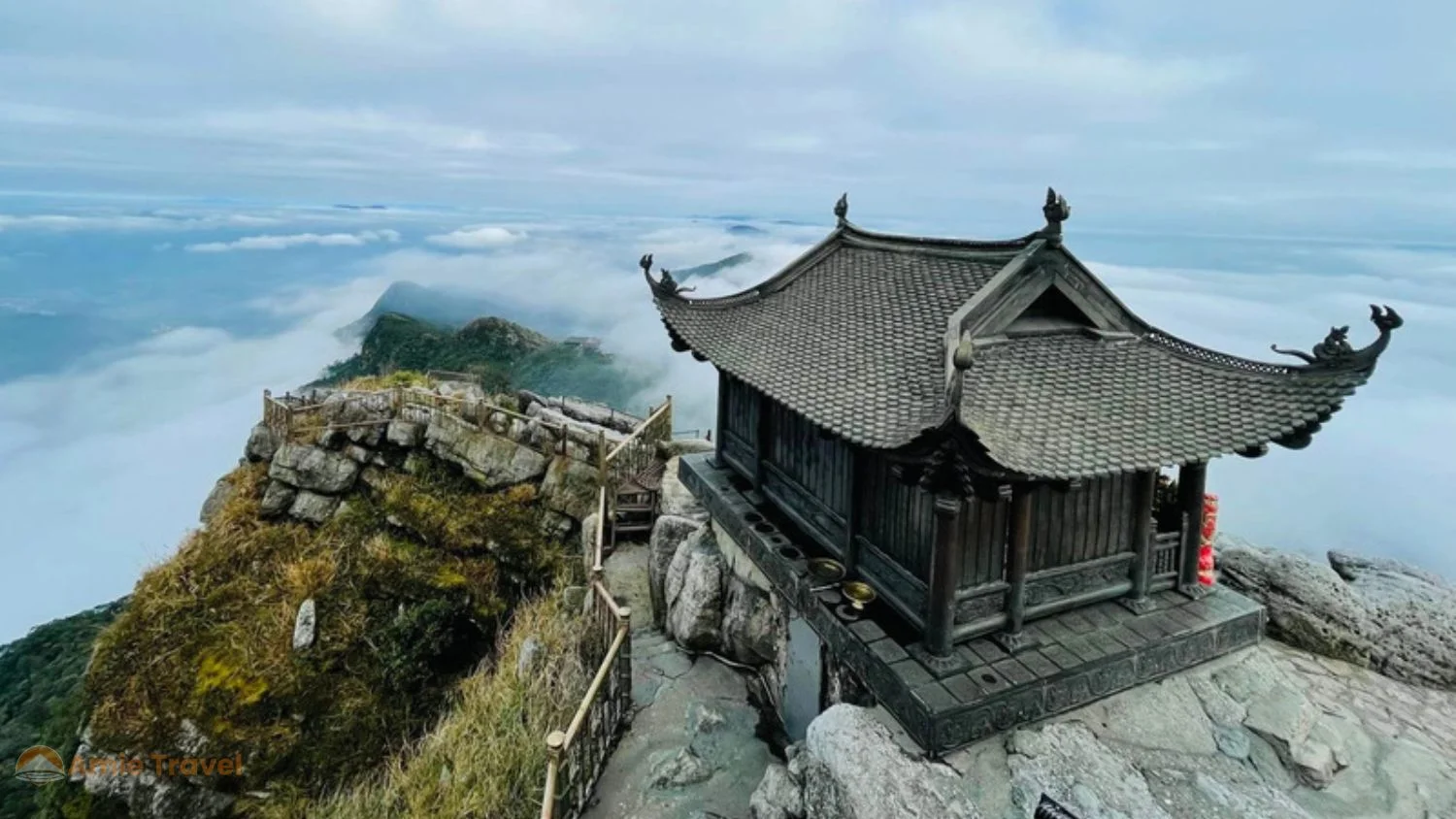
Sixty kilometers from Ha Long Bay and two hours from Hanoi, Yen Tu Mountain sits at 1,068 meters in Quang Ninh province. In 2025, UNESCO recognized it as a World Heritage Site. It is the birthplace of Truc Lam Zen Buddhism, founded in the 13th century by King Tran Nhan Tong after he abdicated the throne, walked away from the palace, and climbed this mountain to become a monk. That single act of renunciation is why hundreds of thousands of Vietnamese pilgrims still climb these 6,000 stone steps every spring.
For international travelers, January is the right time to visit. The Spring Festival begins on the 10th day of the first lunar month, which in 2027 falls around mid-February. Arriving in January means you experience Yen Tu before the main pilgrimage crowds arrive: ancient pine and bamboo forests, stone pagodas built into the mountainside, the Dong Pagoda at the summit, and winter mist rising through the forest canopy in the early morning in a way that is genuinely cinematic and completely different from the summer version of the mountain.
Two cable car routes cut the journey from the six-hour full ascent to approximately two hours. The base area is accessible by private car or an organised day trip from Hanoi. For travelers who want to stay, Legacy Yen Tu MGallery is a 5-star resort built in 13th-century monastery architecture at the mountain’s foot. No televisions in rooms. An outdoor Zen Pool surrounded by forest. A wellness center named after the Zen physician Tue Tinh offering traditional herbal therapies. Morning views of winter mist rising from the trees on the mountain. It is one of the most distinctive resort properties in northern Vietnam and almost entirely absent from English-language travel content.
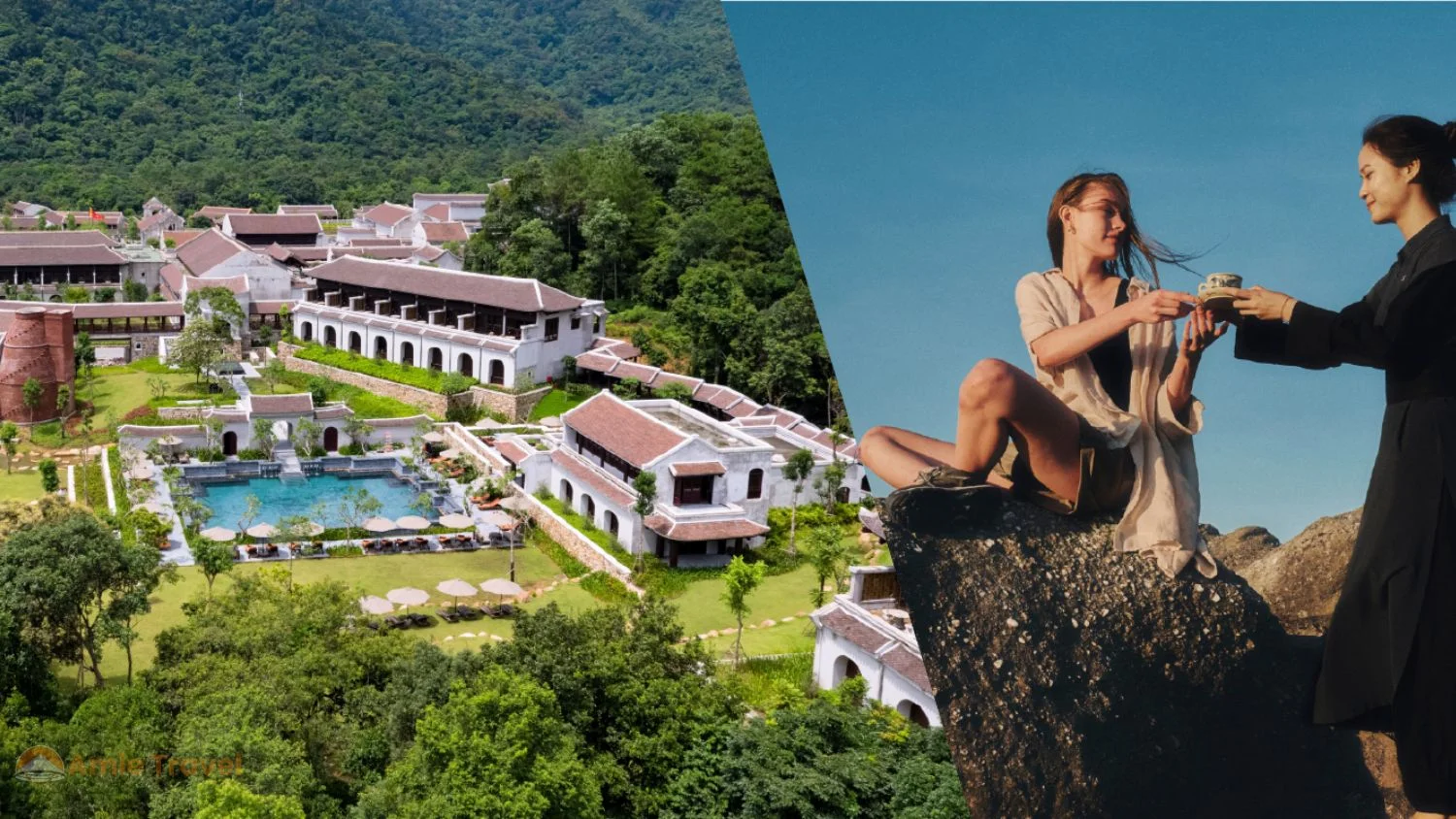
Yen Tu also works as a natural itinerary extension combined with Ha Long Bay. The two sites are 50 kilometers apart. Most travelers who combine them spend one night at Legacy Yen Tu and two nights on a Ha Long Bay cruise, using the mountain as the cultural and spiritual counterweight to the bay’s natural drama.
Top 5 Places to Visit in January and February 2027
1. Phu Quoc: Best for Beach Perfection
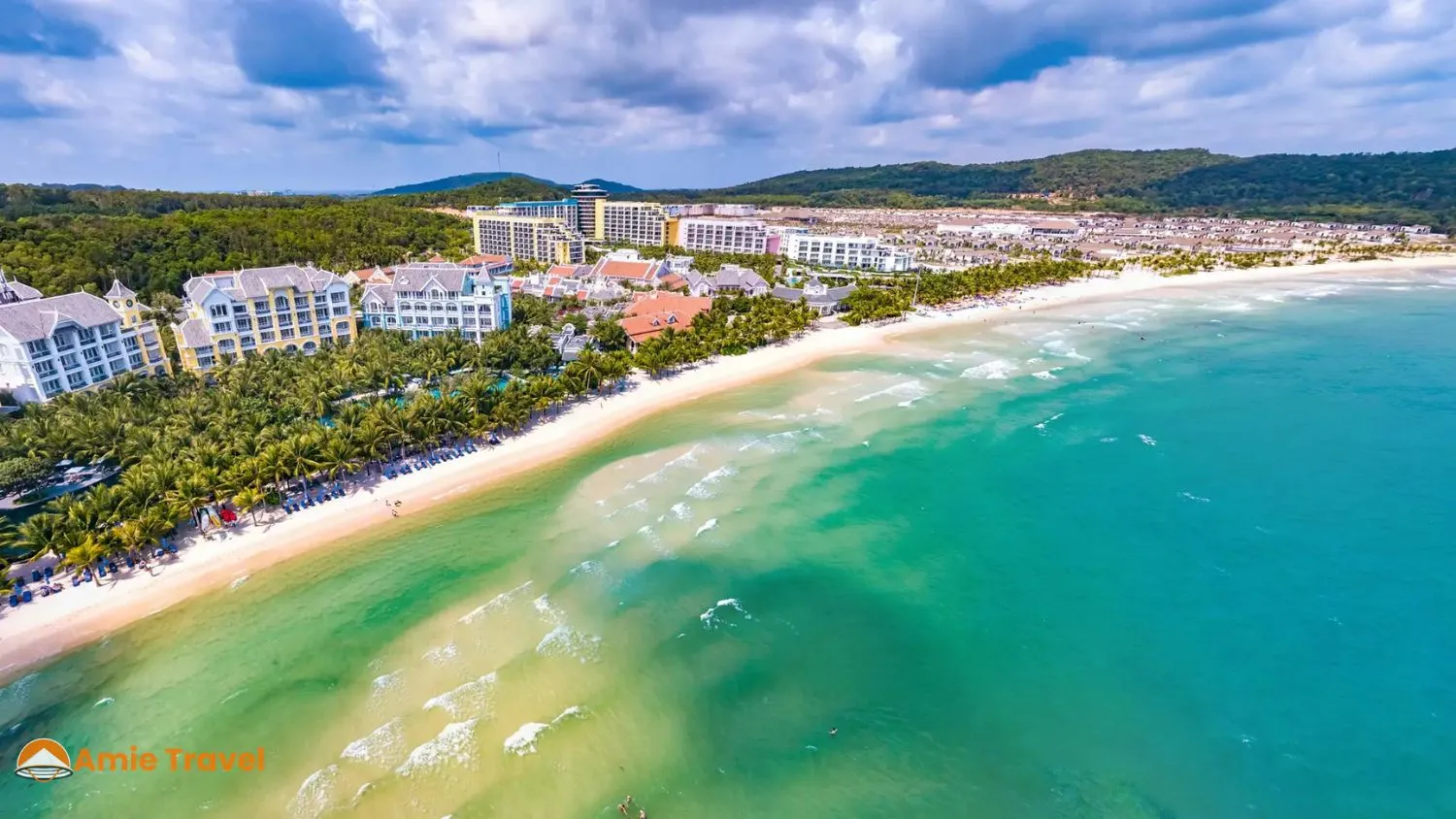
turquoise water
January and February are the months Phu Quoc exists for. Glass-calm water, 28 to 30 degree sea temperatures, 8 to 10 hours of sunshine, and underwater visibility that makes every dive and snorkeling session genuinely worth the effort.
January offers the same conditions as February with slightly more moderate pricing before the Tet surge. February post-Tet from the 10th delivers peak conditions at shoulder-season prices as the holiday crowd disperses.
Book accommodation 4 to 6 months ahead for any Tet period dates. Quality properties sell out entirely around the holiday.
Explore our Vietnam Honeymoon Tour: Nha Trang Beach and Ha Long Bay for a southern and coastal itinerary built around this exact seasonal window.
2. Hoi An: Best for Heritage, Food and Tet Atmosphere
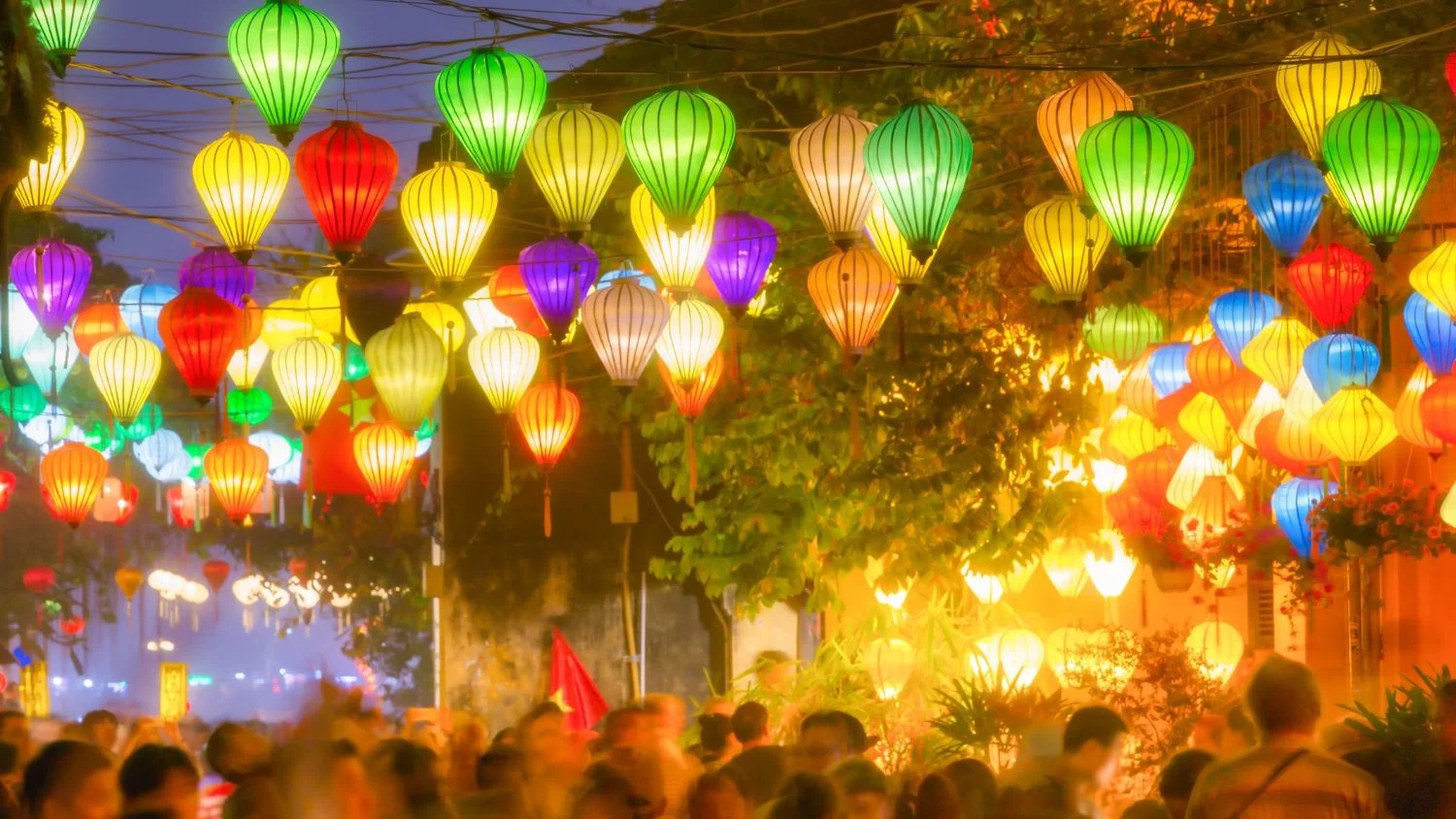
January and February are Hoi An’s most comfortable months for walking and cycling. Temperatures of 18 to 26 degrees mean you can explore the Ancient Town all day without the heat that makes the same walk exhausting in August.
For travelers with February dates, Hoi An during Tet is one of the most visually striking experiences in Vietnam. The Ancient Town is decorated with lanterns and Tet flowers. The Full Moon Lantern Festival, which occurs every fourteenth lunar night regardless of Tet, takes on additional significance during the Lunar New Year period.
See our 11-Day Vietnam Active Adventure: Hike, Bike and Kayak for a full north-to-south route that includes Hoi An at its best in this seasonal window.
3. Ha Long Bay: Best for Atmospheric Winter Cruising
The misty, atmospheric version of Ha Long Bay that most people picture is specifically a January and February phenomenon. Morning mist sits on the karst formations before lifting into clear sky. Zero typhoon risk. Cruise operators run reliably throughout both months.
Swimming is not comfortable at 19 to 20 degree sea temperatures. Kayaking through cave systems, exploring floating fishing villages, and watching dawn from a cruise deck are all significantly enhanced by the winter mist rather than limited by it.
A two-night cruise is the standard recommendation. One night is not enough to experience the bay beyond its entrance area.
Ha Long Bay is a UNESCO World Heritage Site recognised for its exceptional natural beauty. Book through our 7-Day North Vietnam Tour: Hanoi, Ha Long Bay, Sapa and Fansipan which includes a Ha Long Bay cruise as part of the northern circuit.
4. Hanoi: Best for Pre-Tet Cultural Immersion
Hanoi in the two weeks before Tet is unlike any other version of the city. Flower markets at Nhat Tan Lake and throughout the Old Quarter. Hang Ma Street decorated for 500 meters of the historic lane. Peach blossom and kumquat trees on every block. The city smells different. The light looks different. The pace carries a warmth and anticipation that does not exist at any other time of year.
New Year’s Eve on February 5 brings public fireworks at Hoan Kiem Lake, which are worth positioning yourself for. The days immediately after Tet deliver a quiet, unhurried Hanoi that peak-season visitors never encounter.
For families visiting during this window, our Vietnam Family Tours include itineraries built around the Tet calendar.
5. Pu Luong: Best for Winter Quiet and Morning Mist
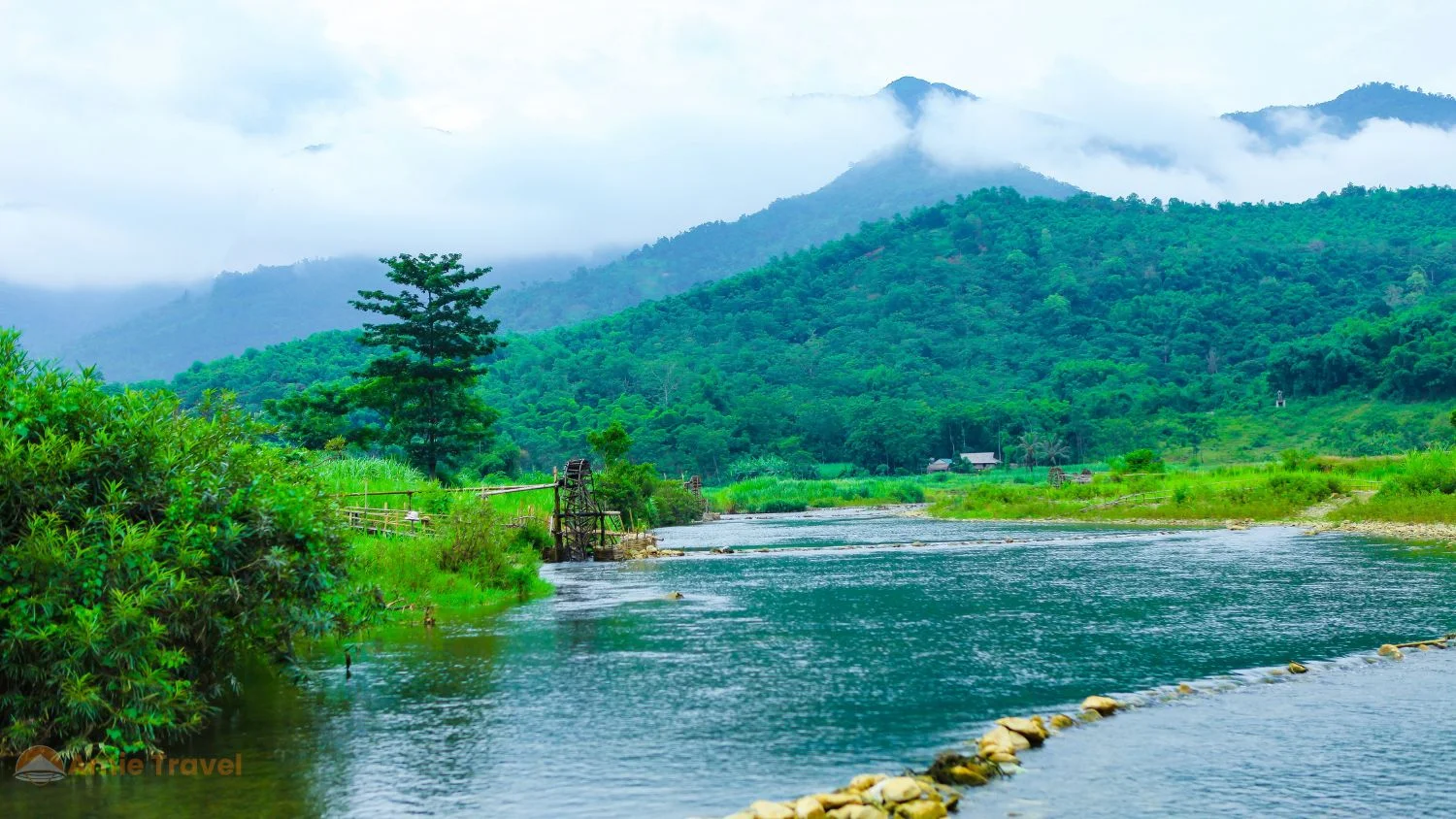
Pu Luong in January and February is almost entirely absent from English-language travel content, which is precisely why it belongs in this guide.
Four hours southwest of Hanoi in Thanh Hoa province, Pu Luong sits in a valley between two limestone karst ridges. In January and February, cold air moves through the valley overnight and meets warmer air trapped between the ridges. The valley floor fills with low cloud before dawn and burns off by 9 AM. The terraces are bare post-harvest, which makes the structural landscape, waterwheel, stilt houses, and karst ridges, more visible rather than less.
January and February are the quietest months in Pu Luong. Domestic Vietnamese tourism has not yet built to its summer levels. International visitors are rare. Two nights in a White Thai stilt-house homestay in Ban Don or Kho Muong villages, with two early mornings positioned above the cloud line, is a genuinely uncommon experience that sits 4 hours from Hanoi.
See our full Pu Luong Tours and Travel Guide for homestay options and how to add Pu Luong to a Hanoi-based January or February itinerary.
What to Pack for January and February in Vietnam

January and February require a two-climate packing strategy. The North and South are on completely different temperature scales at the same time of year.
For the South (Ho Chi Minh City, Phu Quoc, Mekong Delta): Swimwear. Light breathable clothing. SPF 50 sunscreen. A single light layer for air-conditioned restaurants. No jacket needed at any point. February becomes the hottest month of the dry season so heat management is the priority.
For the Central Coast (Da Nang, Hoi An, Hue, Nha Trang): Light clothing plus a mid-layer for evenings. January evenings in Hoi An at 18 degrees are cool enough that a light cardigan or zip-up is appreciated after dark. February is warmer and requires less.
For the North (Hanoi, Ha Long Bay, Ninh Binh): A genuine warm layer is not optional for January. A packable down jacket or thick fleece handles Hanoi evenings at 12 degrees. For Sapa: thermal base layer, waterproof outer layer, warm hat and gloves. For Yen Tu Mountain: same approach as Sapa, the summit at 1,068 meters is cold in January with wind chill on the exposed upper steps.
The practical solution for a full north-to-south trip: Pack one lightweight compressible down jacket. It handles Hanoi January evenings and packs flat in your bag for the rest of the trip. Do not plan to buy warm layers in Ho Chi Minh City on the way north. The selection is limited and the prices are not reasonable.
Year-round essentials: Modest clothing covering shoulders and knees for temple and pagoda visits. Slip-on shoes that come off quickly at religious sites. The Grab app downloaded before arrival. A reusable water bottle.
Recommended Itineraries for January and February 2027
Route 1: The January Classic (Full Country, Straightforward)
Best for: First-timers wanting the complete Vietnam experience without the Tet logistics variable.
Hanoi (2 nights) / Yen Tu Mountain overnight at Legacy Yen Tu MGallery (1 night) / Ha Long Bay cruise (2 nights) / fly to Da Nang / Hoi An (3 nights) / fly to Ho Chi Minh City (2 nights) / Phu Quoc (3 nights)
This route works cleanly throughout January 2027. All three regions are in good weather condition simultaneously, no Tet disruption, and Yen Tu adds a genuinely distinctive cultural stop that almost no international first-timer includes. Book 3 to 4 months ahead for quality properties.
Browse our Vietnam Family Tours for a family-friendly version of this north-to-south circuit.
Route 2: The Tet Cultural Immersion (February, Pre-Booked)
Best for: Travelers who want the most culturally immersive version of Vietnam and are willing to plan 4 to 6 months ahead.
Arrive Hanoi by January 25 / Pre-Tet flower markets and Old Quarter / New Year’s Eve fireworks at Hoan Kiem Lake (February 5) / Stay Hanoi through Tet core days / Travel south from February 10 / Hoi An (3 nights) / Phu Quoc (4 nights)
This itinerary requires all transport and accommodation booked months in advance. Inter-city movement during February 1 to 9 is not built into the route for good reason. The reward is a version of Vietnam that most first-time visitors never experience.
See our 11-Day Vietnam Active Adventure for an active version of the full north-to-south experience that works well in the post-Tet February window from the 10th onward.
Route 3: The Beach Focus (February, Avoid Tet Complexity)
Best for: Travelers with February dates who want weather and beaches without the Tet planning overhead.
Fly directly to Da Nang or Phu Quoc / Hoi An (3 nights) / Nha Trang (2 nights) / Phu Quoc (4 nights)
Staying south of Da Nang for the entire trip significantly reduces Tet exposure. Southern and Central Coast properties stay largely operational during the holiday. Beach conditions are excellent throughout.
Our Vietnam Honeymoon Tour covers this southern and coastal circuit with stops at Nha Trang and Ha Long Bay across 12 days.