Ba Lake sits about three hours northwest of Hanoi in Vietnam’s mountain country, and it’s nothing like the fishing most people expect when they think about Southeast Asia. Imagine 1,300+ islands scattered across crystal-clear mountain water, with peacock bass that hit topwater lures like freight trains and fight with a violence that’ll make you question everything you thought you knew about Vietnamese fishing.
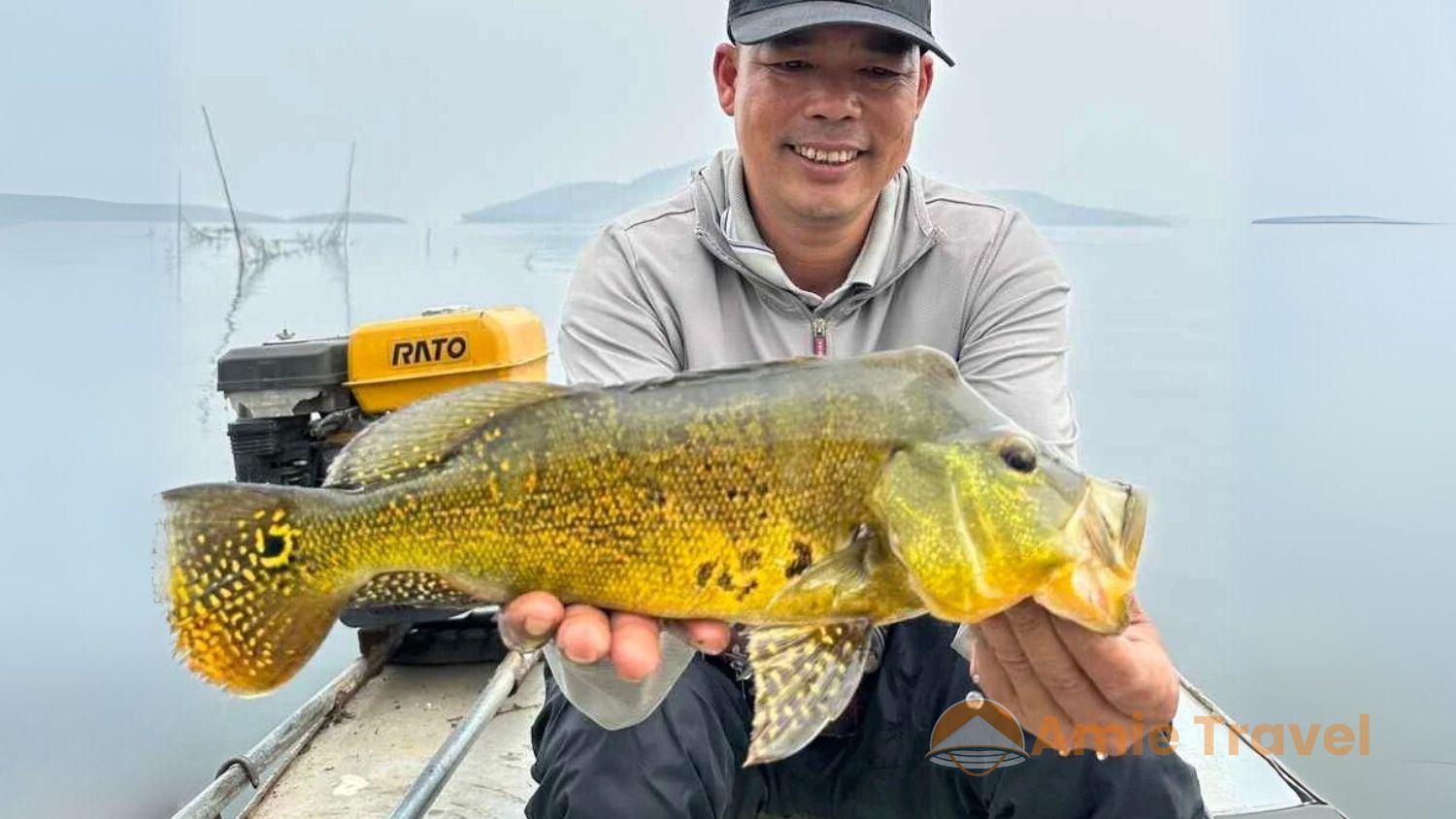
The lake covers over 23,000 hectares with enough structure and variety to fish for months without repeating spots. Those 1,300 islands create thousands of potential fishing locations – rocky points, shallow bays, deep channels, and everything in between. It’s a peacock bass paradise that took decades to develop and now produces some of Southeast Asia’s most consistent trophy fishing. Peacock bass here average 2-4kg, with specimens exceeding 6kg during peak periods, delivering explosive topwater strikes and powerful fights that challenge even experienced anglers.
But Ba Lake isn’t just about peacock bass. The mountain ecosystem supports other species that’ll keep you busy between peacock sessions or when these temperamental predators decide to be difficult. Think of it as fishing insurance, you’re coming for peacock bass, but you won’t go home empty-handed even on tough days.
This guide is designed to give anglers everything they need to plan a successful Ba Lake trip. From seasonal patterns and species behavior to proven techniques, gear recommendations, and travel logistics, it brings together years of on-the-water knowledge into one resource. Whether you’re planning your first visit or returning to explore new islands, this guide will help you understand why Ba Lake has become Vietnam’s most talked-about peacock bass fishery and how to make the most of your time on the water.
Why Ba Lake dominates Peacock Bass fishing
Mountain lake advantages
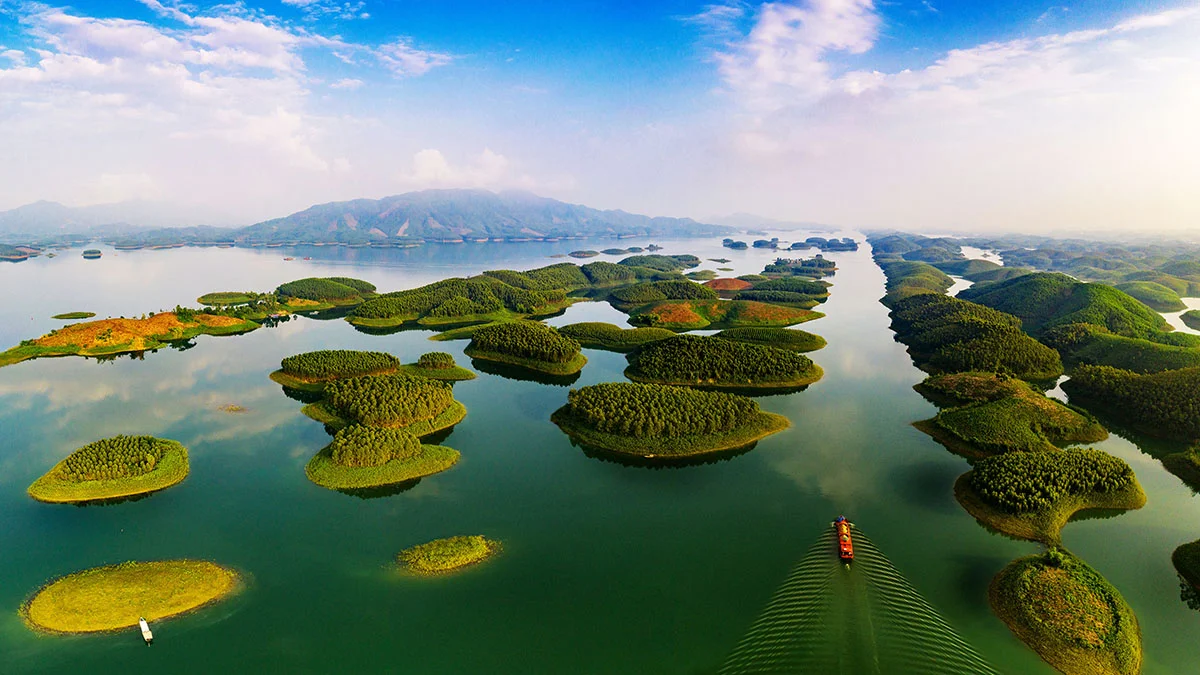
Ba Lake’s elevation and pristine mountain environment create conditions that peacock bass absolutely love. The water stays cleaner than lowland reservoirs, temperatures remain optimal longer throughout the year, and the complex island structure provides endless hunting opportunities for aggressive predators.
The lake’s size means fishing pressure stays manageable even during peak seasons. With over 1,300 islands creating thousands of potential fishing spots, you can always find uncrowded water and fish that haven’t been educated by constant lure presentations. This is crucial for peacock bass success since these fish learn quickly and become selective under heavy pressure.
Water clarity here consistently beats every other multi-species destination around Hanoi. The mountain watershed filters runoff naturally, maintaining visibility that makes sight fishing possible and lure presentations more effective. Peacock bass are visual predators that respond dramatically better in clear water conditions.
Understanding Ba Lake peacock bass
Their size and fighting ability
Ba Lake peacock bass average larger than most Vietnamese lake fish, with typical catches running 2-4kg and trophy specimens reaching 6kg+. But size doesn’t tell the whole story, these fish fight with intensity that makes them feel twice as heavy as they actually are. The combination of raw power and spectacular jumps creates battles that leave even experienced anglers shaking.

The mountain environment seems to make them more aggressive than their lowland cousins. Whether it’s the cleaner water, better food sources, or reduced fishing pressure, Ba Lake peacock bass hit harder and fight longer than similar-sized fish from other locations. They use the lake’s structure effectively, diving toward rocks and islands to break lines or throw hooks.
Peacock bass’s seasonal behavior patterns
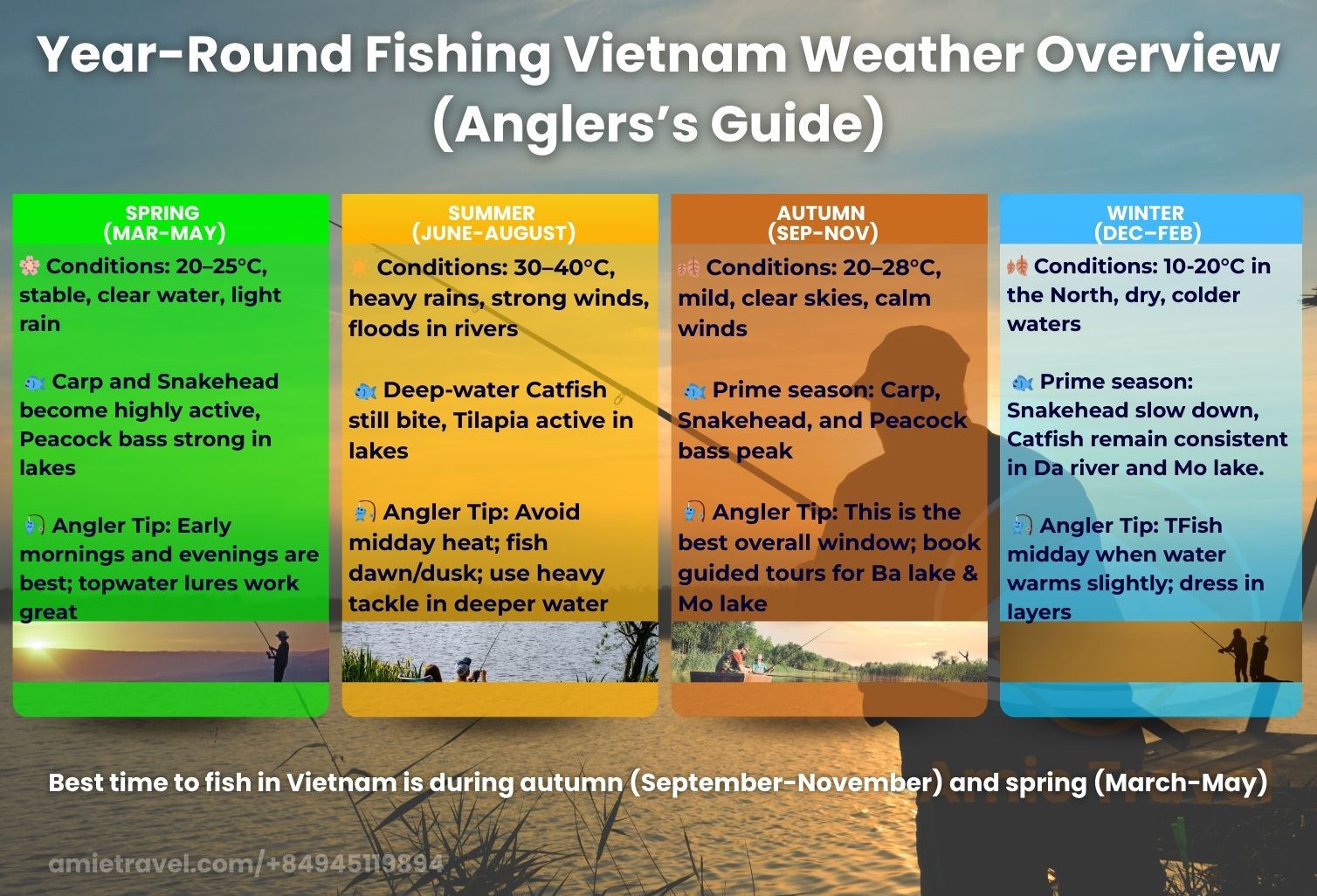
Ba Lake peacock bass follow seasonal patterns that reward understanding over random fishing. Spring brings them into shallow areas around islands where they become extremely aggressive toward topwater presentations. Summer finds them using deeper structure during hot periods but remaining active in shaded areas throughout the day. Autumn triggers intensive feeding behavior as they prepare for cooler winter months.
Winter fishing requires adapting techniques to slower fish metabolism, but Ba Lake’s elevation prevents the complete shutdown that occurs at lower altitudes. Peacock bass remain catchable throughout winter using deeper presentations and slower retrieval speeds, though success rates drop compared to optimal seasons.
Multi-species fishing opportunities in Ba Lake
While peacock bass are the main attraction, Ba Lake supports other species that provide excellent fishing opportunities and backup plans when peacock activity slows.
Skygazer: These bottom-dwelling mysteries inhabit the lake’s deeper areas and provide completely different fishing experiences. Success rates are lower, but connecting with a quality skygazer creates unique fighting experiences that contrast perfectly with aggressive peacock bass action. They require patience and bottom-fishing techniques that many peacock bass specialists never develop.
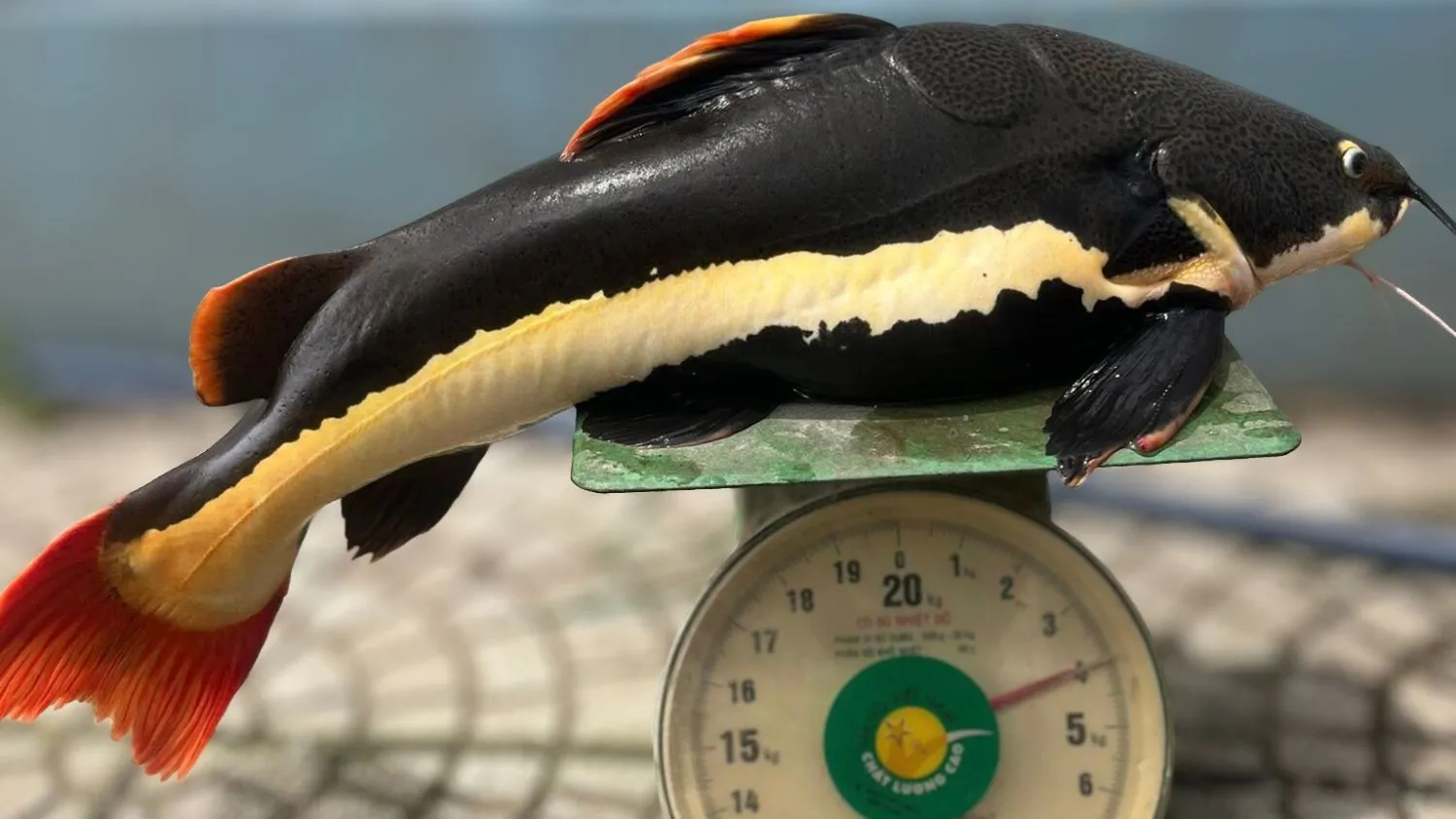
Asian red-tail catfish: The lake monsters that lurk in deep channels between islands. Serious red-tail fishing requires night fishing techniques and heavy equipment, but they provide ultimate backup plans during extended peacock bass expeditions. When surface action dies, dropping live bait in deep water can produce battles that make peacock bass seem tame.
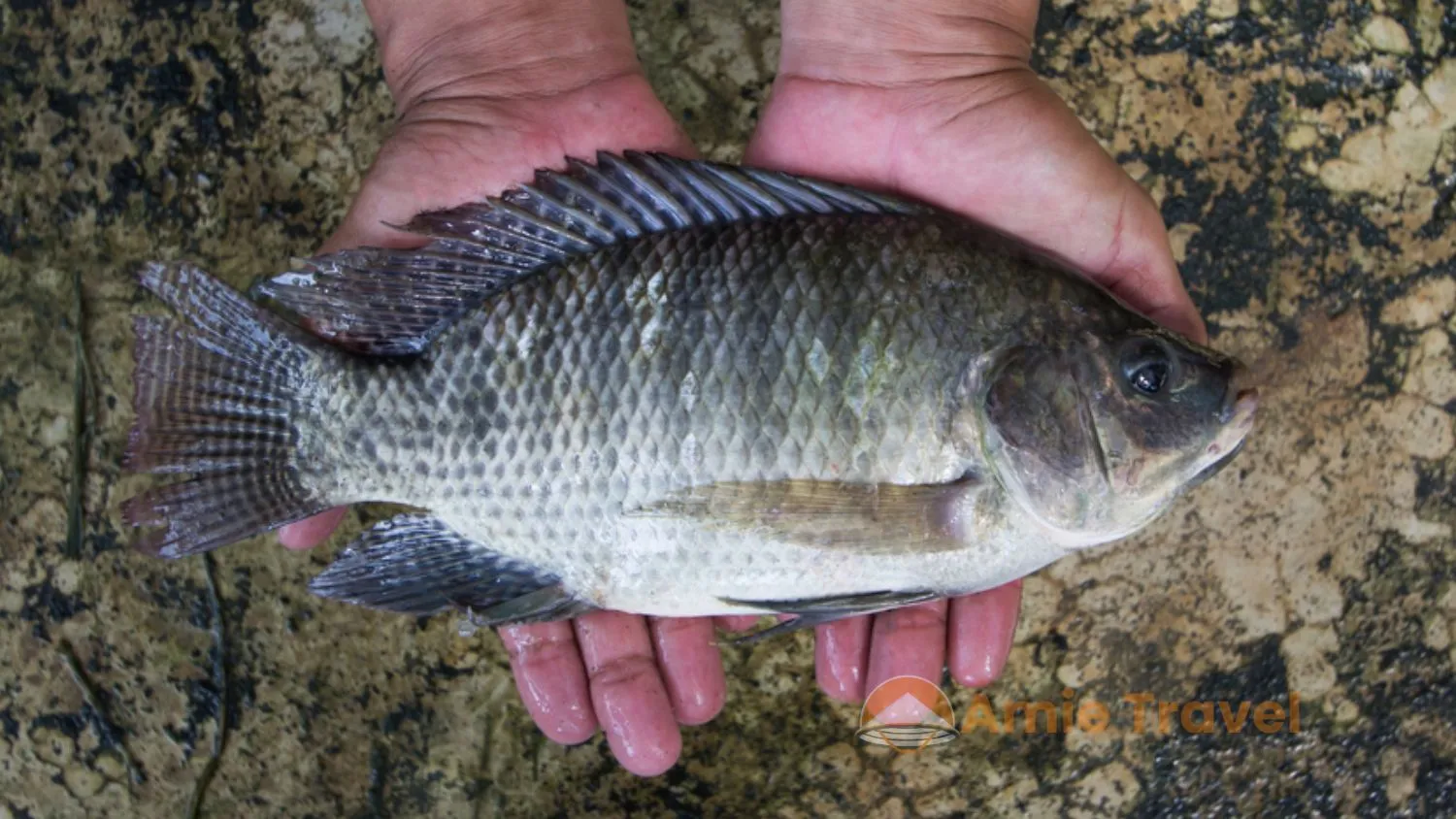
Tilapia: Ba Lake tilapia grow large and fight hard in the nutrient-rich mountain environment. They provide consistent action for families, beginners, or experienced anglers wanting guaranteed fish contact while learning lake patterns. Plus, they taste excellent prepared Vietnamese-style.
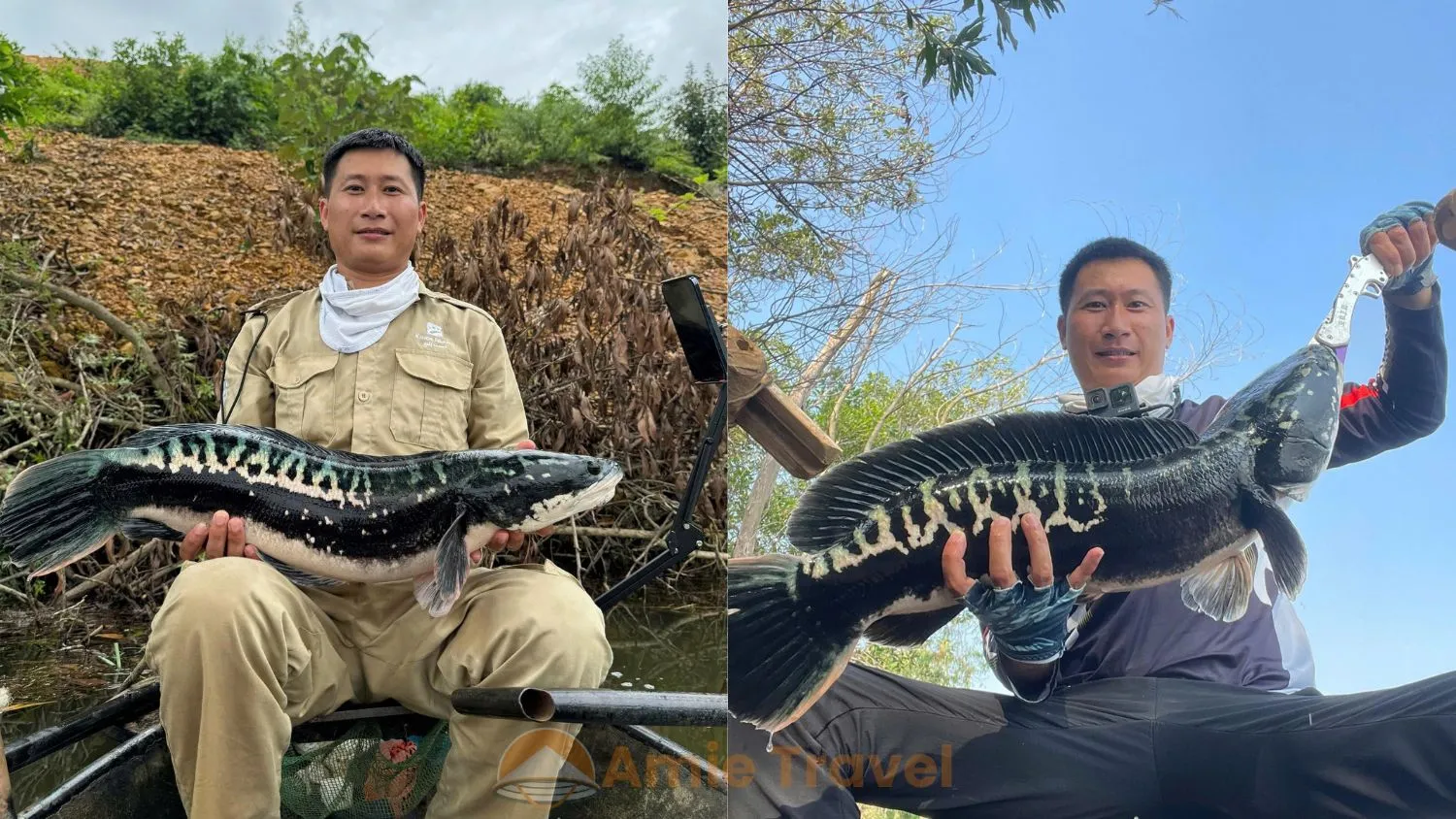
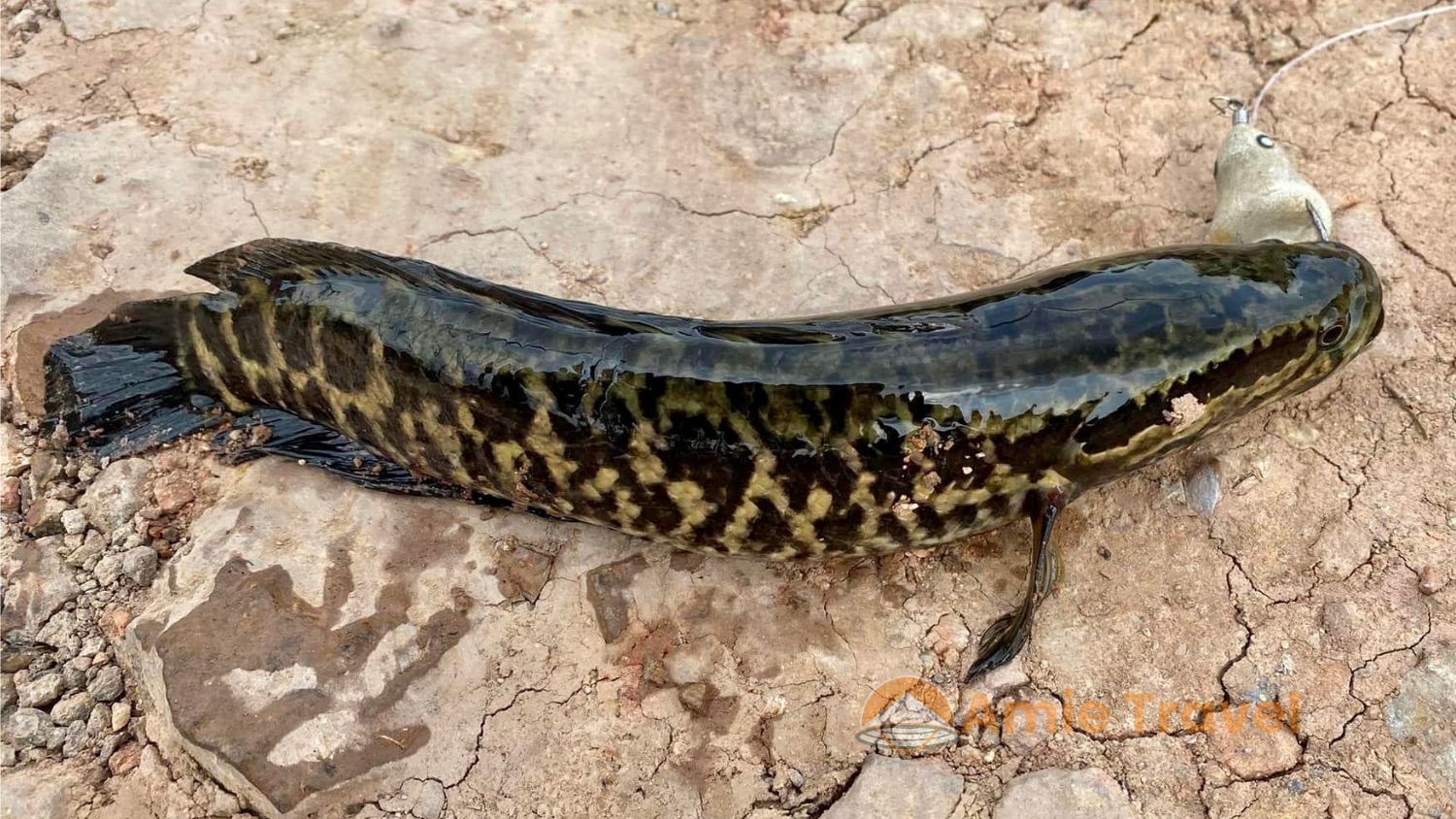
Striped & Blotched Snakehead: Aggressive predators that share habitat with peacock bass but respond to different presentations and timing. They’re perfect for filling action gaps when peacock bass become selective, and their topwater strikes can be just as spectacular as peacock explosions. The variety keeps things interesting during full-day fishing sessions.
Month-by-month Peacock Bass fishing guide for Ba Lake
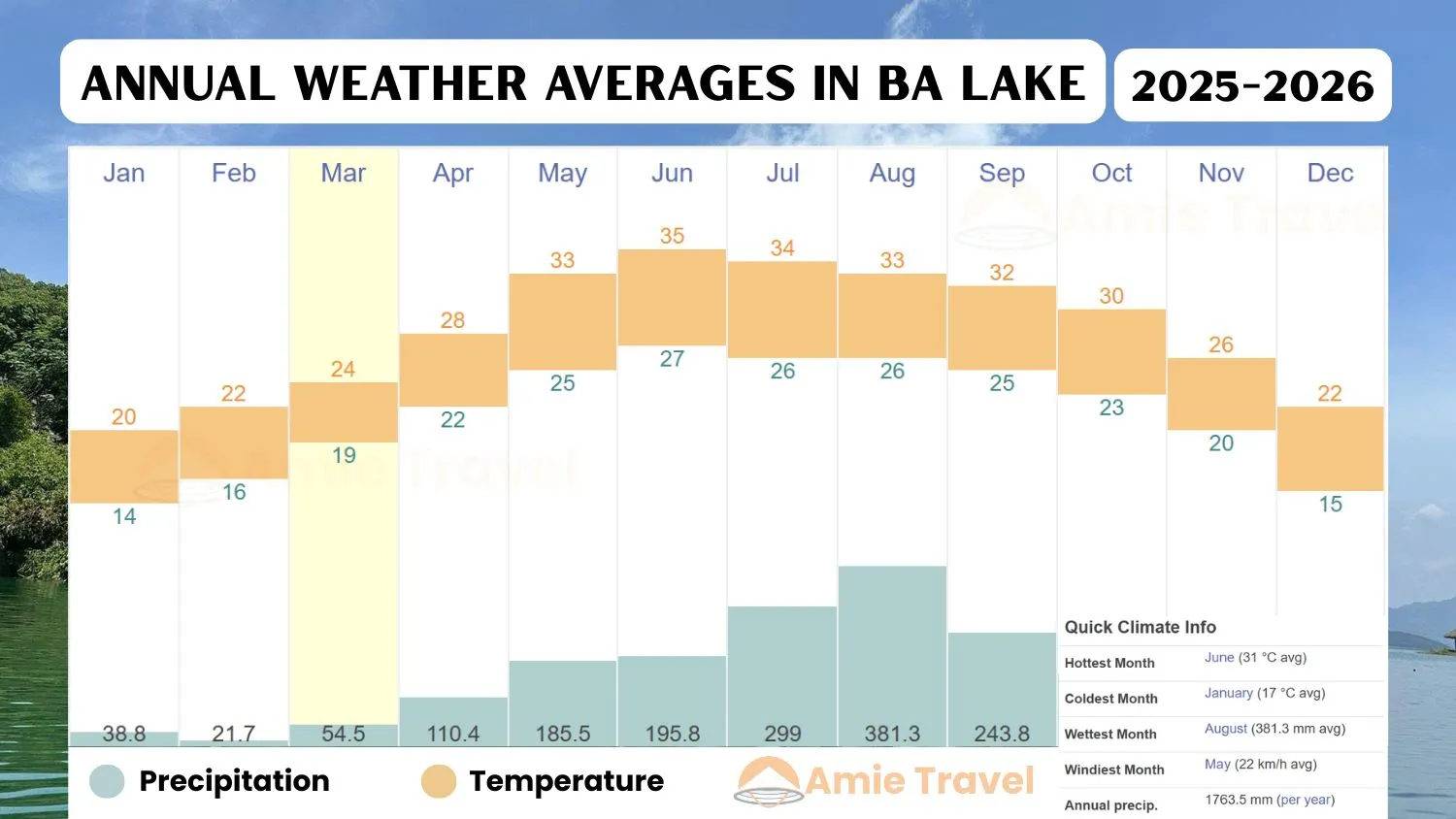
Spring Fishing (March-May): Building Toward Peak Peacock Bass Action
March on Ba Lake is scouting season for serious peacock bass fishing. Water temperatures start climbing from winter lows toward ranges that trigger increased activity, but it’s gradual enough to study fish behavior without peak season chaos. This is learning time, understanding which islands hold fish consistently, how peacock bass use different types of structure, and where feeding activity develops as conditions improve.
The clear mountain water allows observation opportunities that build knowledge for later success. Watching how peacock bass position relative to structure, how they respond to weather changes, and where they concentrate during different parts of the day provides insights that dramatically improve success during active periods.
March peacock bass fishing requires patience and technique adjustment. Fish are active but not aggressive, meaning presentations need to be slower and more methodical than peak season approaches. This is perfect timing for learning lake navigation, understanding island structure, and developing casting accuracy without pressure from highly active fish.
Other species provide consistent action during March while peacock bass activity builds. Tilapia remain active in warming shallow areas, snakehead species begin moving toward structure they’ll use during spawning periods, and bottom species like skygazer offer opportunities for anglers willing to adapt techniques to cooler conditions.

April marks the transition toward serious peacock bass fishing as water temperatures reach ranges that trigger more consistent aggressive behavior. This month provides excellent opportunities for developing peacock bass techniques while experiencing increasing success rates that build toward peak season expectations.
Island structure becomes increasingly important during April as warming water draws baitfish to areas where peacock bass can hunt effectively. Points, shallow bays, and areas with mixed depth zones all become productive as fish establish feeding territories they’ll use throughout peak season.
Topwater action begins during April’s warmest periods, providing preview experiences of the explosive surface fishing that defines peak Ba Lake peacock bass fishing. These early topwater opportunities allow technique development and confidence building before fish become fully aggressive and less forgiving of presentation mistakes.
The variety of productive techniques expands during April as fish activity increases enough to respond to different presentation styles. Bottom fishing continues working for various species while lure presentations begin producing regular peacock bass action, creating opportunities for multi-technique fishing sessions.
May delivers consistent peacock bass action as water temperatures stabilize in ranges that promote reliable feeding behavior throughout the day. This marks the beginning of peak season conditions where peacock bass fishing becomes the primary focus rather than just one option among several techniques.
The complex island structure reaches peak productivity as fish distribute throughout available habitat while maintaining aggressive feeding behavior. Different islands and areas produce at different times, providing options when specific locations receive pressure or conditions change throughout the day.
Topwater presentations become highly effective during May as fish aggression reaches levels that support explosive surface strikes during extended periods. This is when Ba Lake peacock bass fishing starts delivering the spectacular action that creates lasting memories and justifies the journey to mountain country.
Technique diversity becomes crucial during May as fish activity allows experimentation with different lure types, retrieval speeds, and presentation styles. Learning what works under various conditions builds the versatile skill set needed for consistent success during peak season months ahead.
Summer Peak Season (June-August): Peacock Bass Paradise
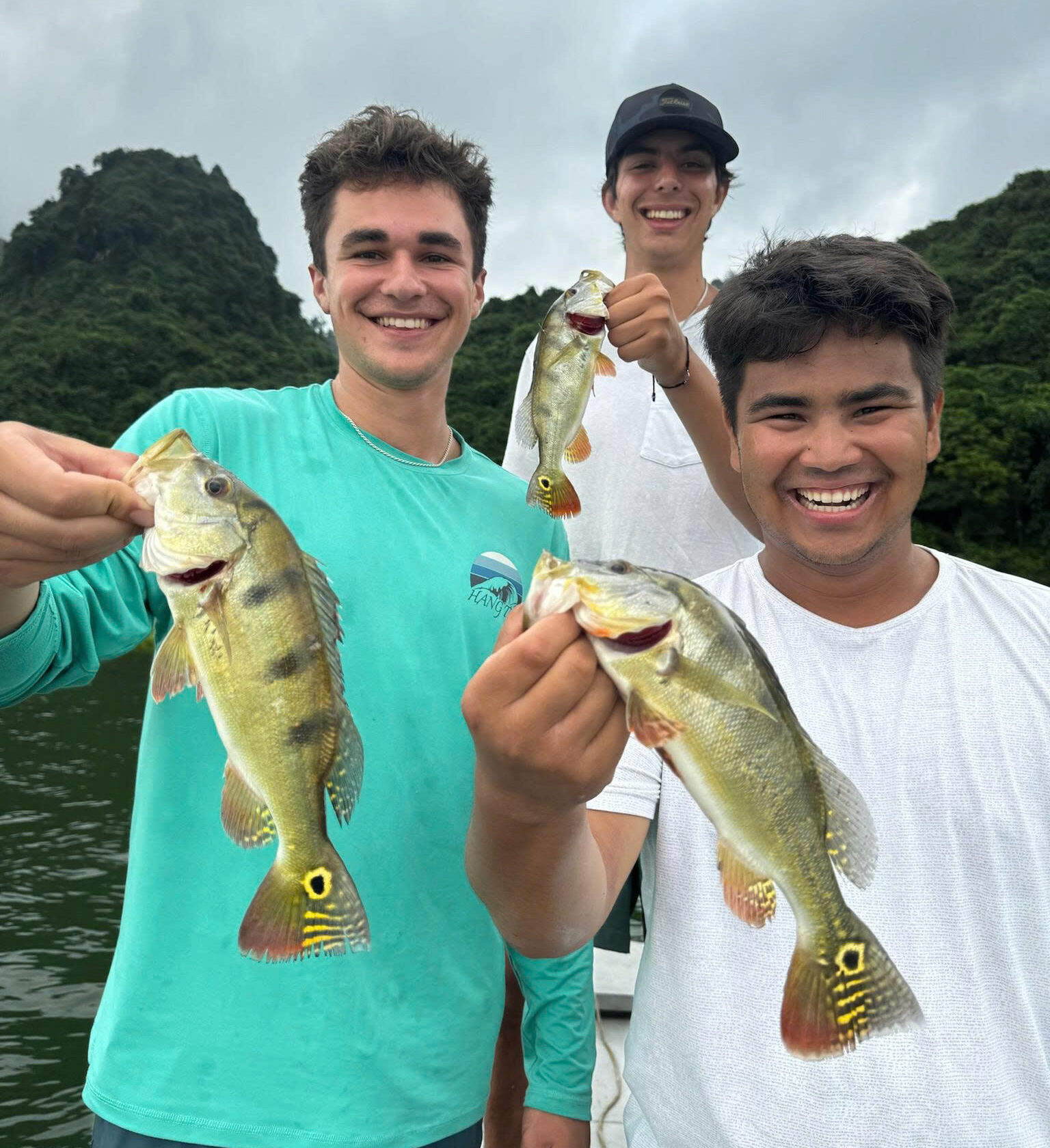
June transforms Ba Lake into peacock bass paradise as optimal water temperatures combine with peak fish activity to create the conditions serious anglers travel thousands of kilometers to experience. This is when everything aligns – fish aggression, weather stability, and technique effectiveness all peak simultaneously.
Early morning topwater fishing becomes absolutely spectacular during June as peacock bass establish dawn feeding patterns around island structure. The sound of quality peacock bass exploding on poppers echoes across calm mountain water in ways that permanently change fishing expectations. These aren’t gentle takes – they’re violent explosions that test equipment, reflexes, and composure.
Mid-day fishing remains productive due to Ba Lake’s elevation and the cooling effect of mountain environment. Unlike lowland fishing where heat shuts down activity, Ba Lake peacock bass often remain active throughout the day when positioned around shaded structure or deeper areas adjacent to shallow feeding zones.
Evening fishing extends productive hours well into darkness as cooling air temperatures trigger renewed feeding activity in areas that may have slowed during peak heat periods. The extended fishing windows maximize opportunities for encountering feeding fish while providing flexibility for adapting to daily weather patterns.
Technical skill development peaks during June as consistent fish activity allows experimentation with advanced techniques while maintaining high success rates. Understanding how to approach different types of structure, when to switch lure types, and how to adapt retrieval patterns based on fish response becomes crucial for maximizing opportunities.
Monsoon season (July-August) creates unique opportunities for Ba Lake peacock bass fishing as the mountain environment processes rainfall differently than lowland areas. While heavy rains may temporarily affect visibility, the forested watershed helps maintain water quality while creating new feeding opportunities as water levels fluctuate.
Peacock bass adapt to changing conditions by shifting feeding patterns and locations rather than becoming completely inactive. Understanding these adaptations allows continued success during periods when other anglers struggle with challenging conditions. Fish may move to different types of structure or adjust feeding times, but they remain catchable for anglers willing to adapt.
Weather diversity during monsoon season requires flexibility but often provides dynamic fishing conditions that create memorable experiences. Pre-storm feeding periods can produce incredible action as fish sense approaching weather changes, while post-storm conditions often trigger intensive feeding as fish take advantage of improved water conditions.
The mountain environment’s ability to generate rapidly changing conditions creates opportunities for anglers who monitor weather patterns and adapt strategies accordingly. Being prepared to fish different areas or switch techniques based on conditions often produces better results than rigid approaches during this variable season.

Island structure provides crucial flexibility during monsoon conditions as different areas offer protection from wind, current, or rain depending on weather patterns. The lake’s size and complexity mean productive fishing remains possible regardless of weather challenges affecting specific areas.
Autumn Excellence (September-November): Second Peak Season
September marks the return of optimal peacock bass conditions as weather patterns stabilize and water conditions return to the clarity that makes Ba Lake legendary. Fish feeding activity resumes consistent patterns while the comfortable temperatures and stable weather create ideal conditions for extended fishing sessions.
The cooling trend that begins in September often triggers increased peacock bass aggression as fish feeding behavior intensifies in preparation for cooler months ahead. This combination of returning optimal conditions and increased fish activity makes September one of the most productive months for serious peacock bass fishing.
Water clarity typically reaches peak levels during September as monsoon runoff settles and stable weather allows maximum light penetration. The exceptional clarity creates sight fishing opportunities that add visual excitement to technical fishing success while allowing anglers to watch fish behavior and adapt presentations accordingly.
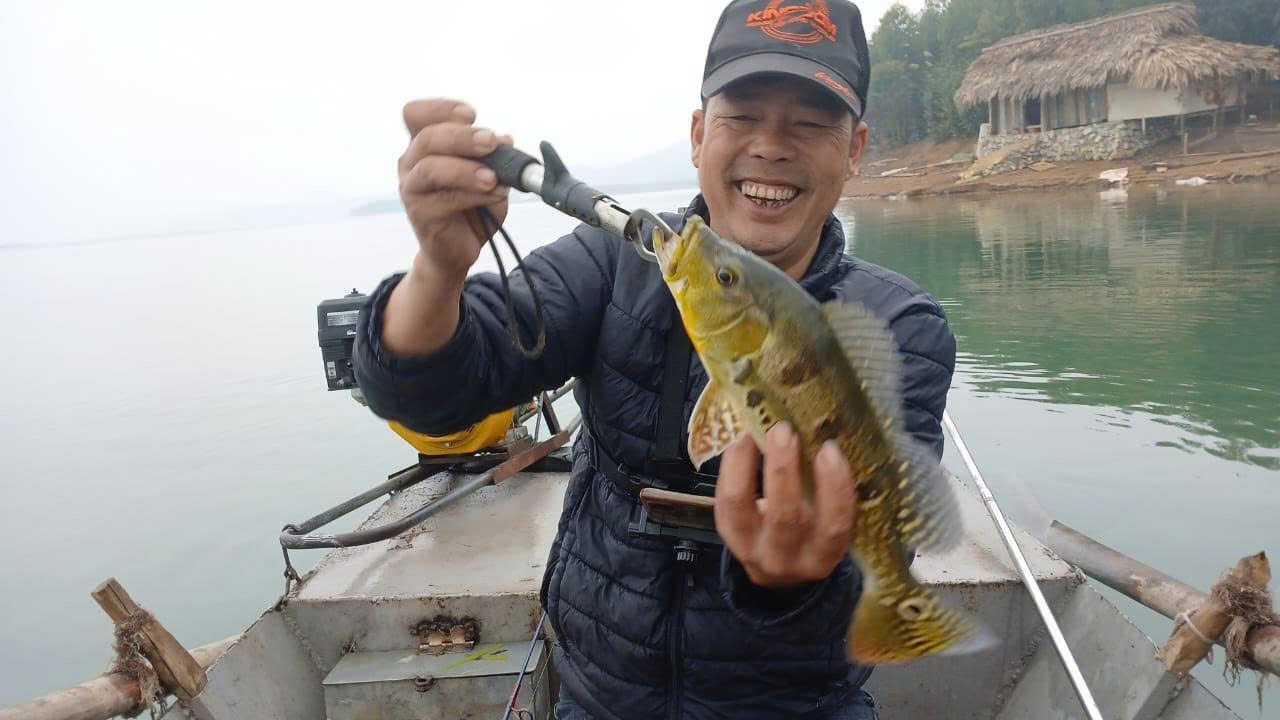
September provides excellent opportunities for clients who missed peak summer season to experience world-class peacock bass fishing without extreme weather challenges. Conditions become comfortable for extended sessions while fish activity remains high enough to deliver spectacular action.
October consistently delivers Ba Lake’s finest peacock bass fishing as perfect weather conditions align with peak fish feeding activity. Water temperatures stabilize in ranges that promote maximum aggression while clear skies and minimal rainfall create stable conditions that make fish behavior predictable.
Every peacock bass technique becomes highly effective during October as fish activity supports diverse presentations throughout extended daily fishing periods. Topwater action remains explosive during morning and evening periods while subsurface techniques produce consistently during midday periods when surface activity may decrease.
The month’s stable weather patterns make October ideal for peacock bass education as consistent fish activity allows technique development while building specialized knowledge. Many peacock bass specialists consider October the optimal learning month for developing Ba Lake-specific skills that improve success during future visits.
October also provides excellent opportunities for combining peacock bass focus with other species as stable conditions keep alternative targets active when peacock bass become selective or feeding patterns shift throughout the day. The variety ensures consistent action regardless of primary species behavior.
November extends autumn peacock bass excellence while beginning gradual transitions toward winter patterns. Fish activity remains strong though feeding behavior may become more location-specific as fish concentrate around structure they’ll use during cooler months ahead.
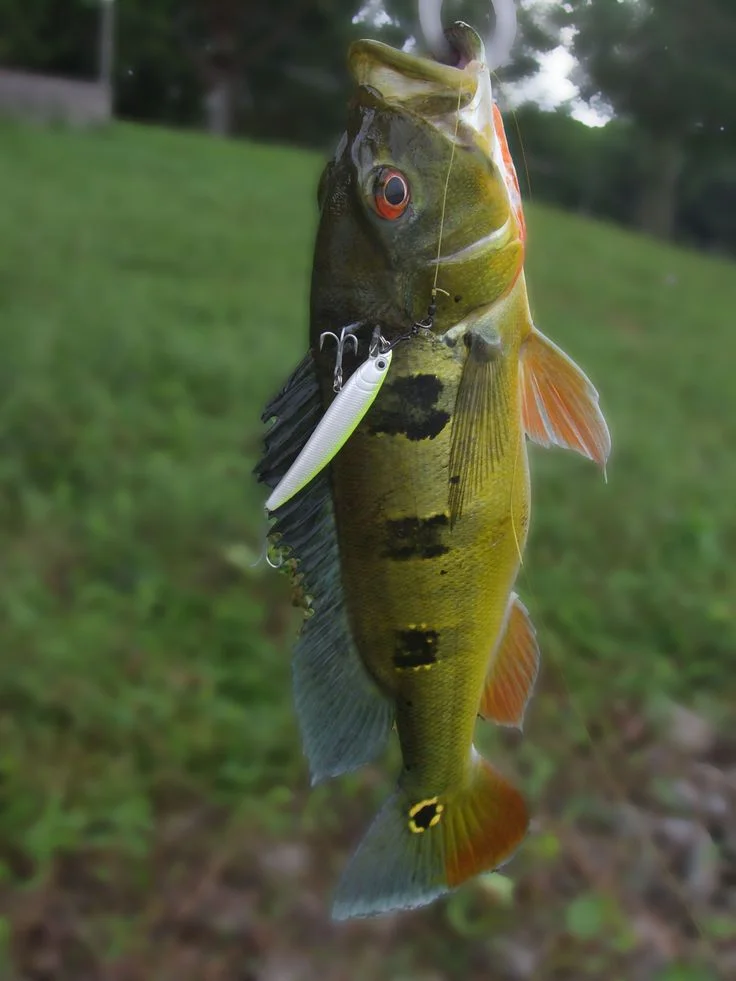
Late-season peacock bass patterns often favor anglers who understand seasonal behavior changes and can adapt techniques accordingly. Fish may become more predictable in their use of specific structure while feeding activity becomes more intense during optimal periods as they prepare for reduced winter activity levels.
Traditional peacock bass techniques often outperform experimental approaches during November as fish behavior focuses around proven structure and feeding patterns. Understanding when to use established methods versus trying new approaches separates successful anglers from those who struggle with changing conditions.
Winter Strategies (December-February): Technical Fishing Season
December-January, peacock bass fishing at Ba Lake requires understanding how mountain conditions affect fish behavior and adjusting expectations accordingly. While fish remain active throughout winter due to the lake’s elevation, success requires adapting techniques to slower metabolism and changed feeding patterns.
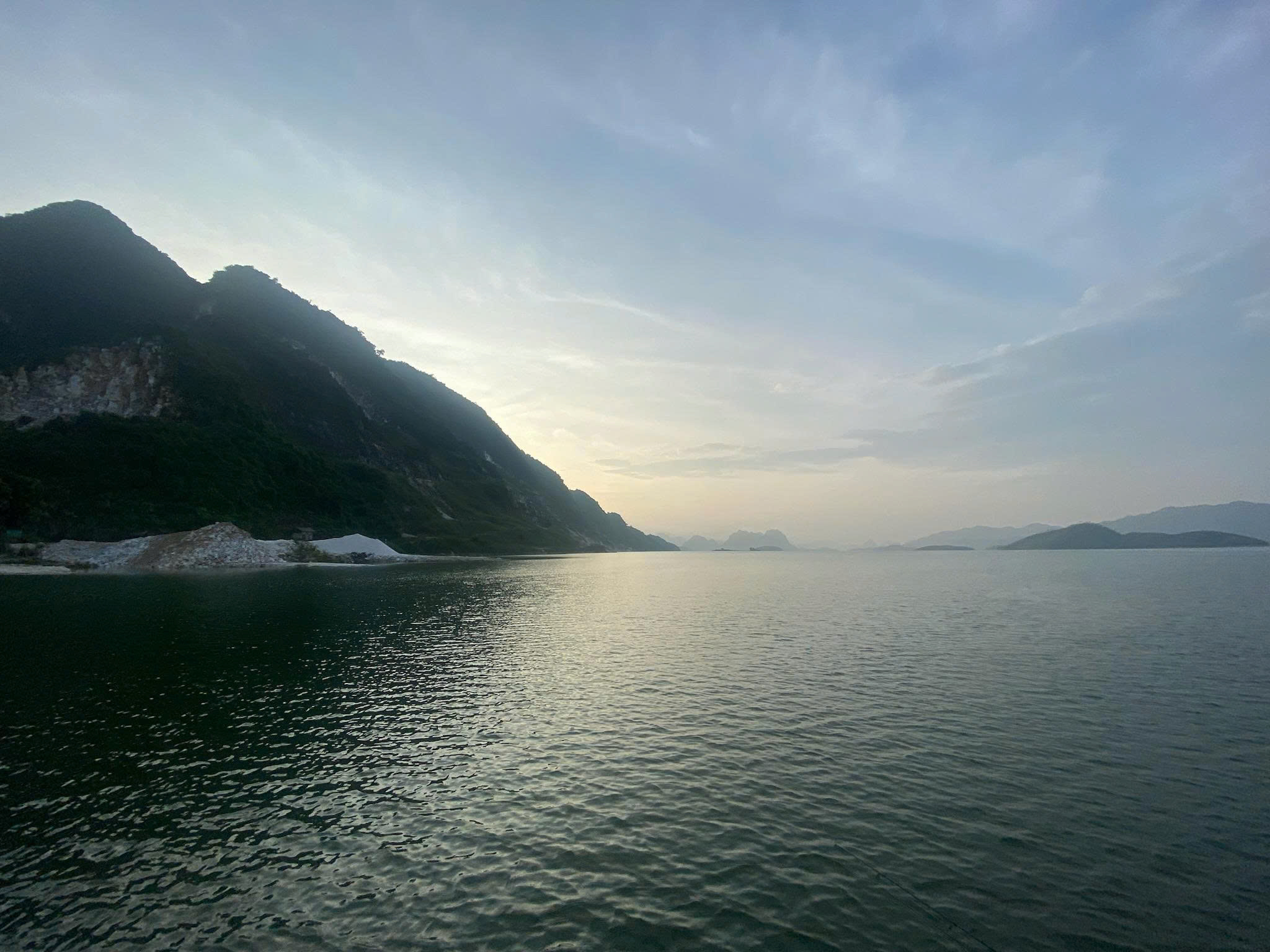
Peacock bass concentrate around deeper structure during winter months while remaining accessible to anglers who understand their seasonal behavior patterns. Success rates decrease compared to peak seasons, but quality fish remain catchable using specialized techniques developed for cold water conditions.
The reduced fishing pressure during winter months often allows fish to feed more predictably in areas that receive heavy traffic during peak seasons. This creates opportunities for anglers willing to adapt their approach to winter conditions while building knowledge about seasonal patterns.
Other species fishing becomes more important during winter as peacock bass activity decreases relative to peak season levels. Red-tail catfish remain active in deep water, snakehead species respond to specialized winter techniques, and bottom species provide consistent action for patient anglers.
February begins building anticipation for returning peak peacock bass conditions as increasing daylight and occasional warm weather preview the excellent fishing ahead. Equipment preparation, technique refinement, and area planning accelerate as optimal fishing season approaches.
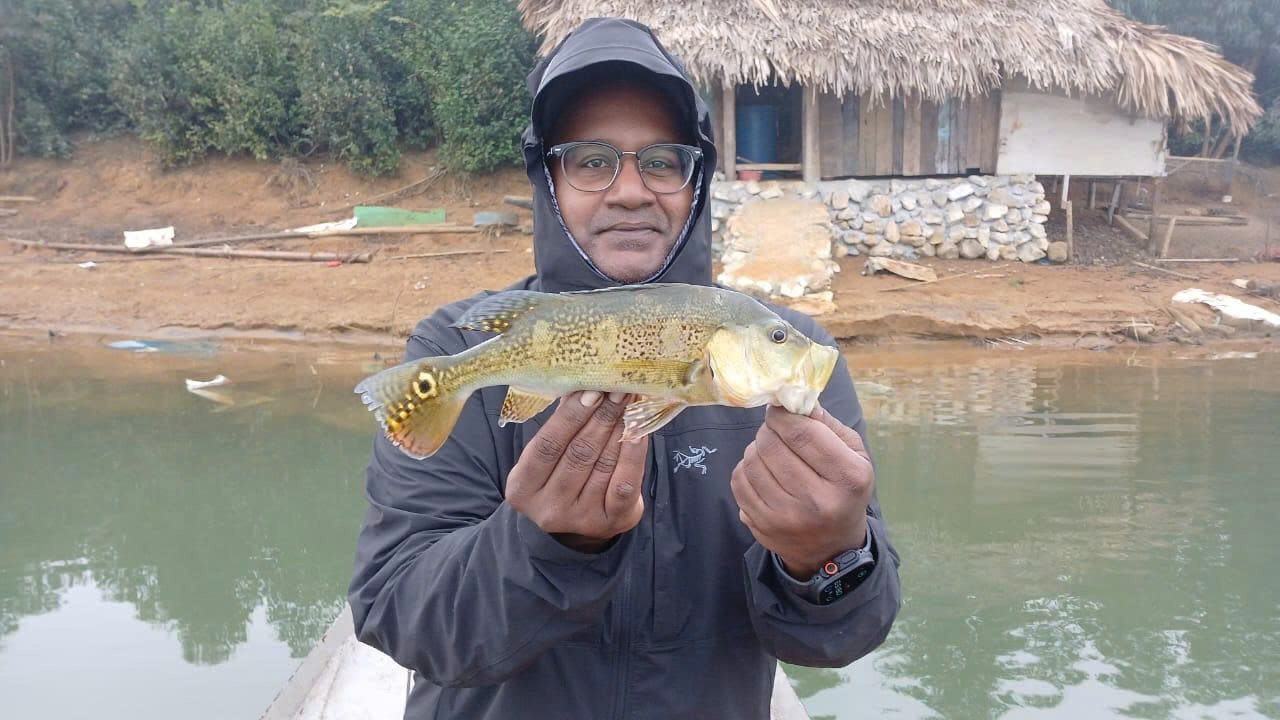
Winter peacock bass techniques continue producing results while serving as preparation for peak season fishing. Understanding how fish use structure during challenging conditions builds knowledge that improves success when feeding activity increases during optimal periods.
Planning your Ba Lake peacock bass adventure
Fishing Ba Lake isn’t something you just show up for any success comes from timing, preparation, and working with guides who know the lake. The following sections outline when to go, how long to stay, and how to make logistics work smoothly.
Best time to fish Ba Lake
May-June and September-October provide optimal conditions for experiencing peak peacock bass activity and spectacular topwater fishing. These periods offer the best combination of fish aggression, weather stability, and water conditions that make specialized peacock bass fishing most rewarding.
March-April and November provide excellent opportunities for developing peacock bass skills while experiencing good fishing without peak season intensity. These periods allow building knowledge and confidence that dramatically improves success during optimal conditions.
Trip duration and expectations
Dedicated peacock bass focus frips (minimum 3-5 Days) requires sufficient time for locating active fish, adapting to daily conditions, and experiencing the variety of techniques and locations that make Ba Lake special. Three-day minimum trips provide adequate opportunities while longer stays allow deeper exploration of the lake’s potential.
Extended trips allow combining peacock bass focus with other species opportunities while providing time for weather contingencies and learning experiences that enhance overall fishing knowledge. The variety ensures consistent action regardless of daily peacock bass activity levels.
Transportation and accommodation Ba Lake’s mountain location requires planning transportation and accommodation that supports serious fishing activities. The three-hour journey from Hanoi demands coordination with guide services that understand logistics while providing quality fishing experiences.

Accommodation options range from basic fishing-focused lodging to more comfortable resorts that provide amenities for extended stays. Choosing accommodations that match fishing goals and comfort requirements helps ensure optimal fishing experiences.
Quality guide services provide equipment suited to Ba Lake peacock bass fishing while teaching techniques developed specifically for mountain lake conditions. This support reduces learning curves while maximizing fishing time efficiency during limited trip windows.
FAQs
Q: Where is Ba Lake and how far is it from Hanoi?
A: Ba Lake is located in Vietnam’s northern mountains, about a three-hour drive northwest of Hanoi. The journey is part of the experience, taking you from the capital into remote highland scenery.
Q: What is the best time of year to fish for peacock bass at Ba Lake?
A: The peak seasons are May-June and September-October, when water clarity, stable weather, and fish aggression all align. March-April and November are also productive for anglers who want to develop skills without peak-season pressure.
Q: How big do peacock bass grow in Ba Lake?
A: Average fish weigh 2-4kg, but trophy specimens exceeding 6kg are caught when conditions are right. Their strength and acrobatic fights make them feel even larger.
Q: What other fish species can I catch at Ba Lake besides peacock bass?
A: The lake also holds Asian red-tail catfish, striped and blotched snakehead, tilapia, and deep-water skygazer. These provide consistent action when peacock bass are selective.
Q: Do I need a guide to fish Ba Lake?
A: Yes, local guides are highly recommended. The lake spans 23,000 hectares with 1,300+ islands, and peacock bass here respond to specific seasonal and structural patterns that experienced guides know best.
Q: What gear is best for Ba Lake peacock bass fishing?
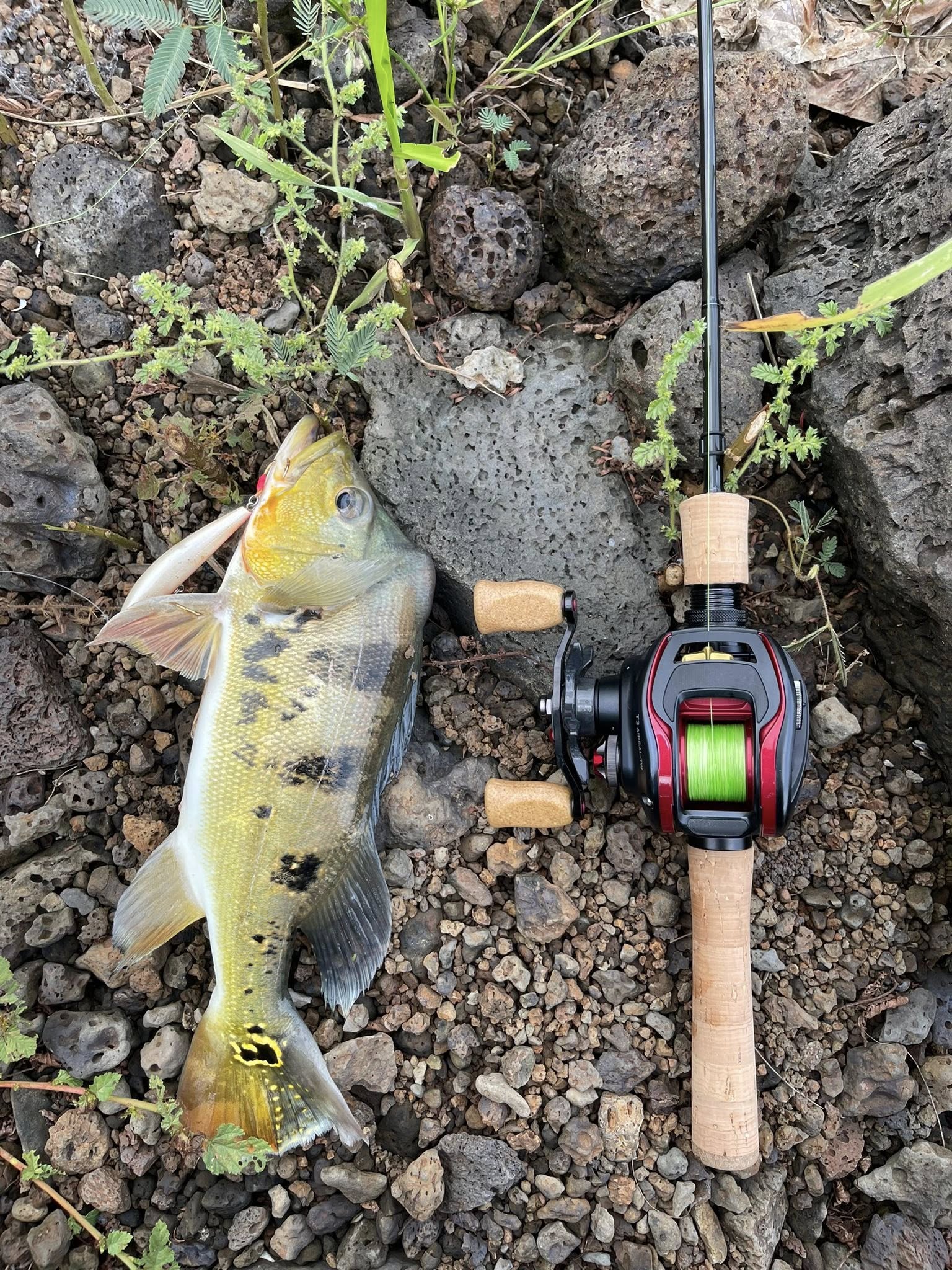
A: Medium-heavy spinning gear with strong drag systems is ideal. A 20-30lb braided line with fluorocarbon leaders is standard, paired with topwater poppers, walking baits, and prop baits for explosive strikes.
Q: Can beginners fish at Ba Lake, or is it only for experienced anglers?
A: While Ba Lake is a challenging destination, beginners can still enjoy it with guidance. Tilapia and snakehead provide reliable action, while guides tailor techniques so first-timers can build confidence.
Q: What accommodations are available near Ba Lake?
A: Options range from basic fishing lodges to comfortable lakeside resorts. Many anglers choose homestays or fishing-focused lodges for convenience and local character.
Conclusion
Ba Lake has become Vietnam’s premier destination for anglers seeking world-class peacock bass fishing. The lake’s 23,000 hectares and 1,300 islands create endless structure and variety, ensuring each trip feels different from the last. With fish averaging 2-4kg and trophies surpassing 6kg, Ba Lake rivals the famous fisheries of Central and South America while offering the distinctive backdrop of Vietnam’s northern mountains.
Fishing here is not casual recreation, it is technical, specialized angling that rewards preparation, patience, and understanding of seasonal behavior. Guides with local expertise play a crucial role, helping anglers adapt to conditions, refine presentations, and maximize opportunities across the lake’s diverse habitats.
Beyond the peacock bass, supporting species such as snakehead, Asian red-tail catfish, and tilapia provide consistent action and ensure every session offers value. Combined with crystal-clear water, striking mountain scenery, and uncrowded fishing grounds, Ba Lake delivers a rare blend of challenge and reward.
For anglers ready to embrace that challenge, Ba Lake offers more than just a fishing trip, it provides an evolving journey. Each visit builds new knowledge, tests skill, and creates lasting memories, marking Ba Lake as Southeast Asia’s most compelling freshwater trophy fishery.
Contact Us
Website: amietravel.com
Instagram: amietravel.vietnam/freshwaterfishing.lure
Email: info@amietravel.com
Hotline 24/7: + 84 945 11 9894
For additional Northern Vietnam fishing opportunities, see our Hanoi Area Fishing Guide