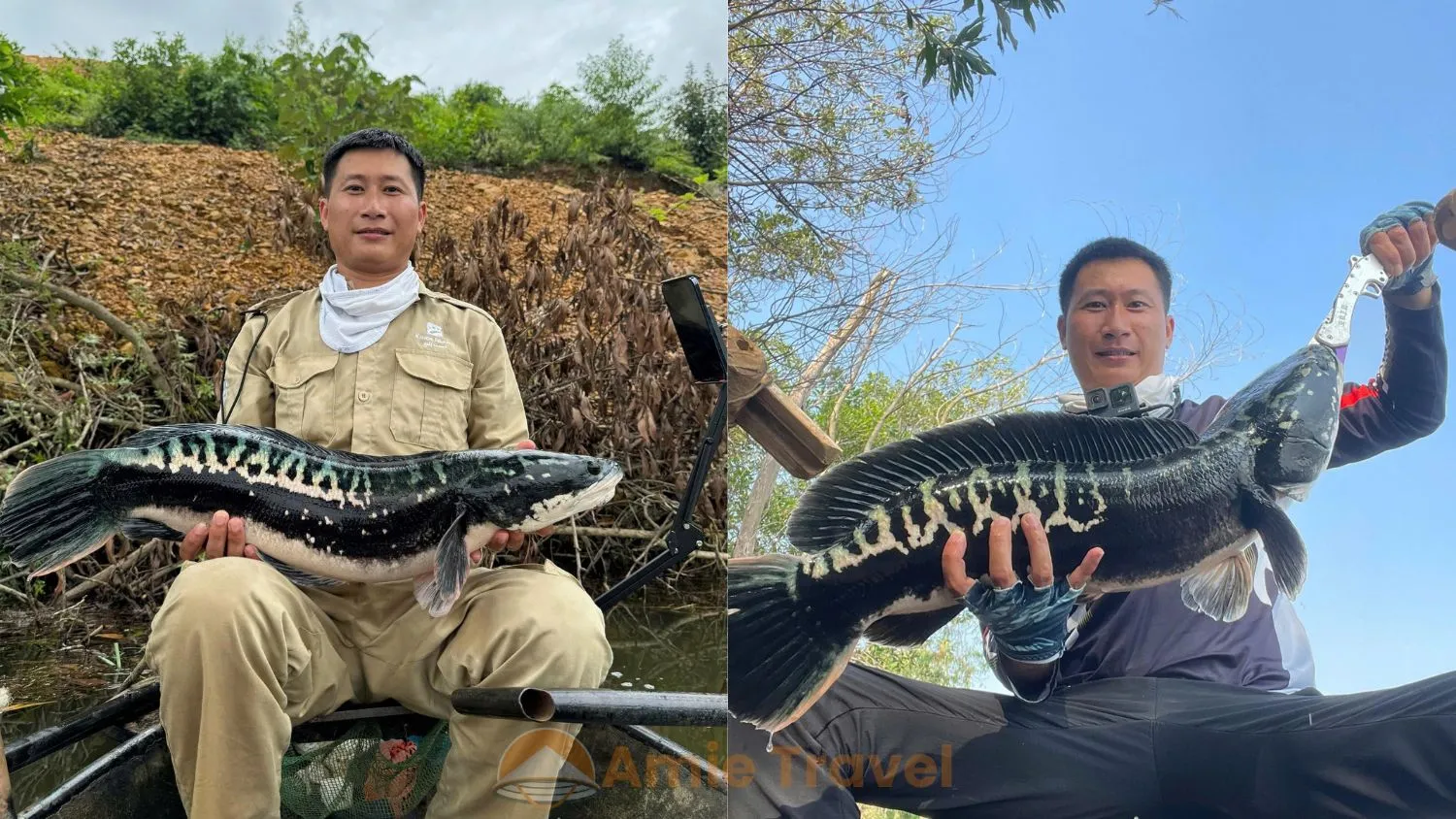
Just 45 minutes from Hanoi’s chaos lies Mo Lake – a 50km journey that transforms urban anglers into giant snakehead (Toman) hunters. This isn’t another overfished urban pond. Mo Lake consistently produces the largest, most aggressive snakehead in Northern Vietnam while remaining accessible enough for day trips when work schedules don’t allow extended expeditions.
The numbers tell the story: giant snakehead averaging 3-6kg with regular specimens pushing 8kg+. Topwater strikes are so violent they’ll snap light tackle. Fighting power that uses weed beds and structure to maximum advantage. Success rates that make Mo Lake the go-to destination for serious snakehead specialists and beginners alike.
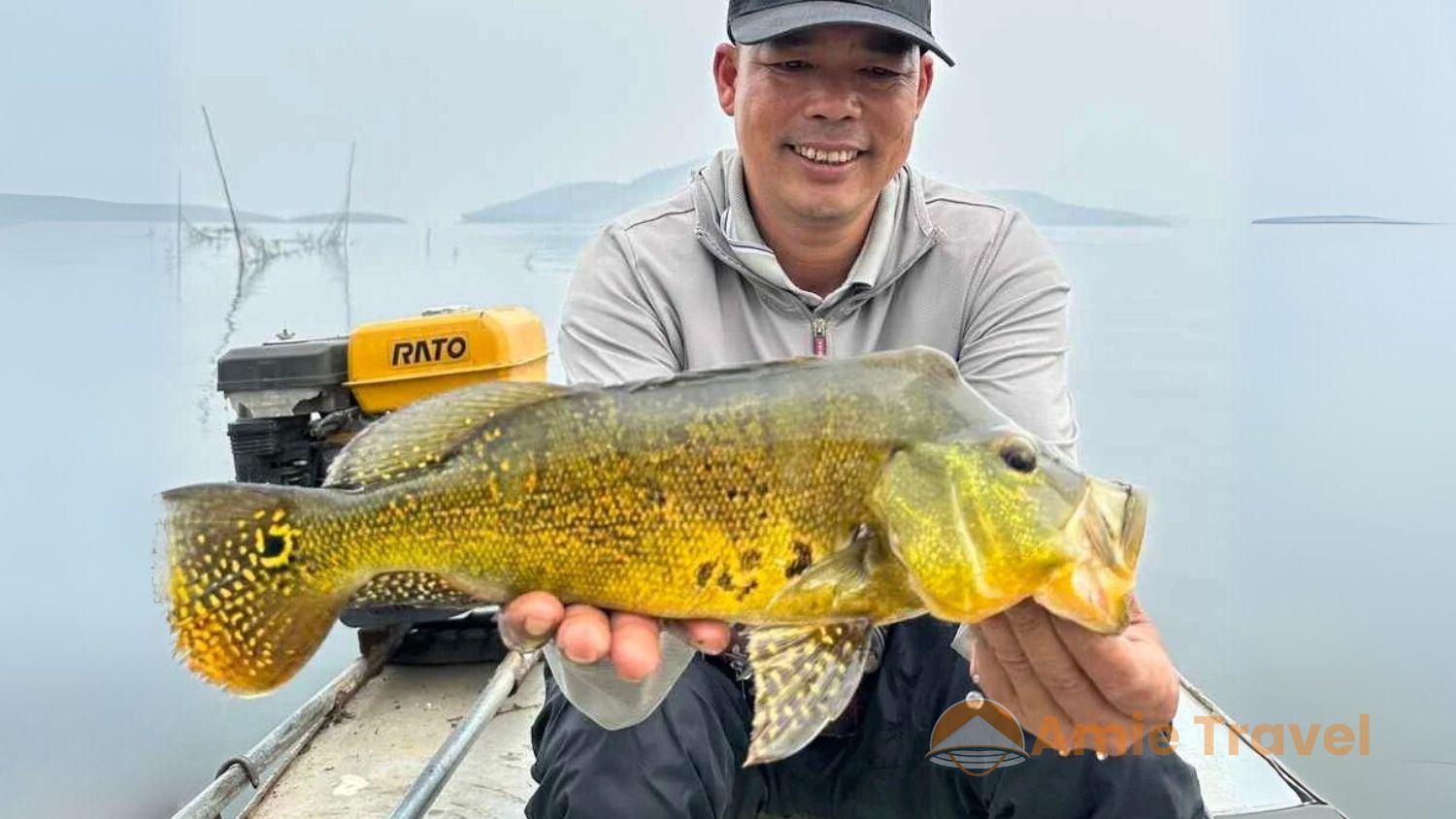
But Mo Lake delivers more than just giant snakeheads. The diverse ecosystem supports multiple predator species that keep rods bent when toman become moody or selective. Striped snakeheads provide consistent action, while skygazer and catfish offer completely different fishing experiences during the same trip. This species diversity makes Mo Lake practically bulletproof for fishing success.
The accessibility factor changes everything. While other trophy fishing destinations require week-long commitments and complex logistics, Mo Lake delivers world-class snakehead fishing during day trips or multi-day adventures. Professional guide services, comfortable accommodations, and tourism integration create complete fishing experiences that work for dedicated anglers and fishing-curious tourists alike.
Prime habitat for giant snakehead (Toman)
Perfect lake structure for giant snakehead
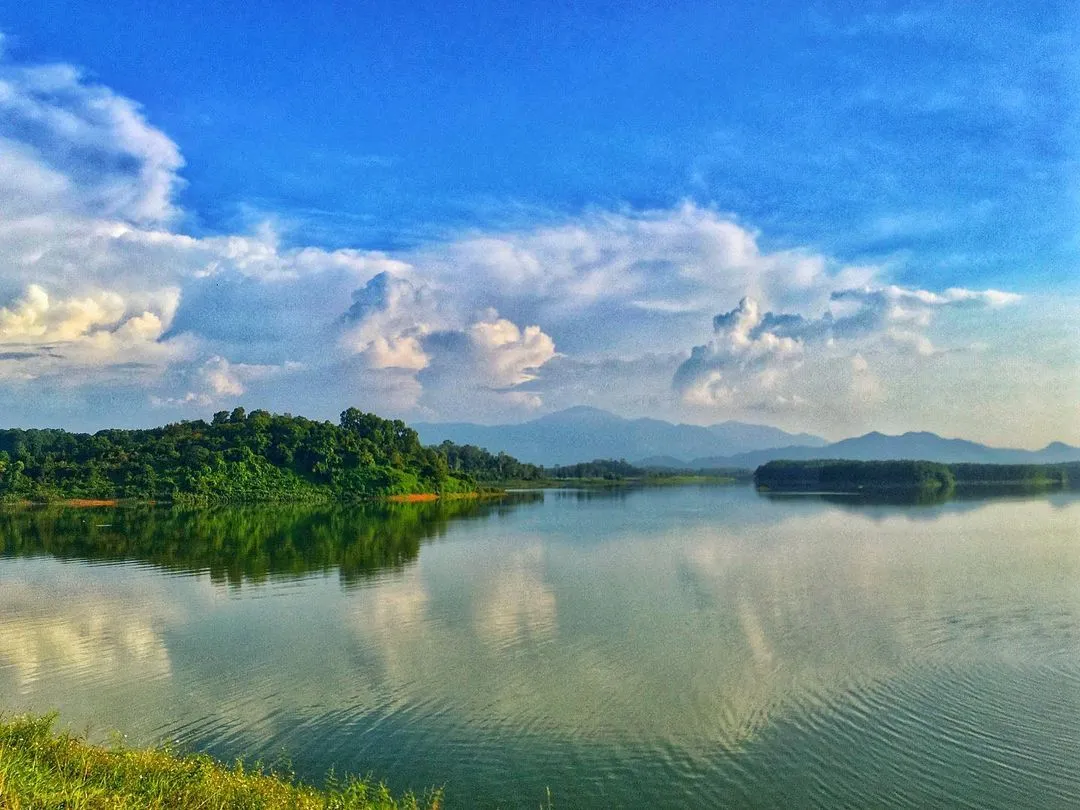
Mo Lake‘s habitat reads like a giant snakehead blueprint designed by fish biologists. Dense aquatic vegetation creates the ambush network these apex predators require, while depth variations (2-15 meters) provide temperature zones and prey fish habitat that support trophy-sized predators year-round.
The weed bed systems here dwarf anything found in urban Vietnamese waters. Submerged vegetation networks stretch across shallow bays and points, creating maze-like hunting grounds where giant snakeheads can ambush prey while remaining invisible to anglers until they explode on topwater lures. These aren’t sparse weed patches, they’re thick jungle environments that require weedless presentations and heavy tackle.
Rocky drop-offs and submerged timber add structural complexity that multiplies ambush opportunities. Giant snakeheads use these features as staging areas between shallow feeding zones and deeper resting areas. Understanding how fish move between different habitat types throughout the day dramatically improves location success compared to random casting around obvious structure.
The lake’s island systems and points create natural highways that concentrate baitfish while providing hunting opportunities for predatory snakeheads. Unlike simple bowl-shaped lakes, Mo Lake’s complex topography creates dozens of distinct habitat zones that hold different sizes and behavior patterns of giant snakeheads throughout the season.
Why Mo Lake Suits Giant Snakehead (Toman) Biology
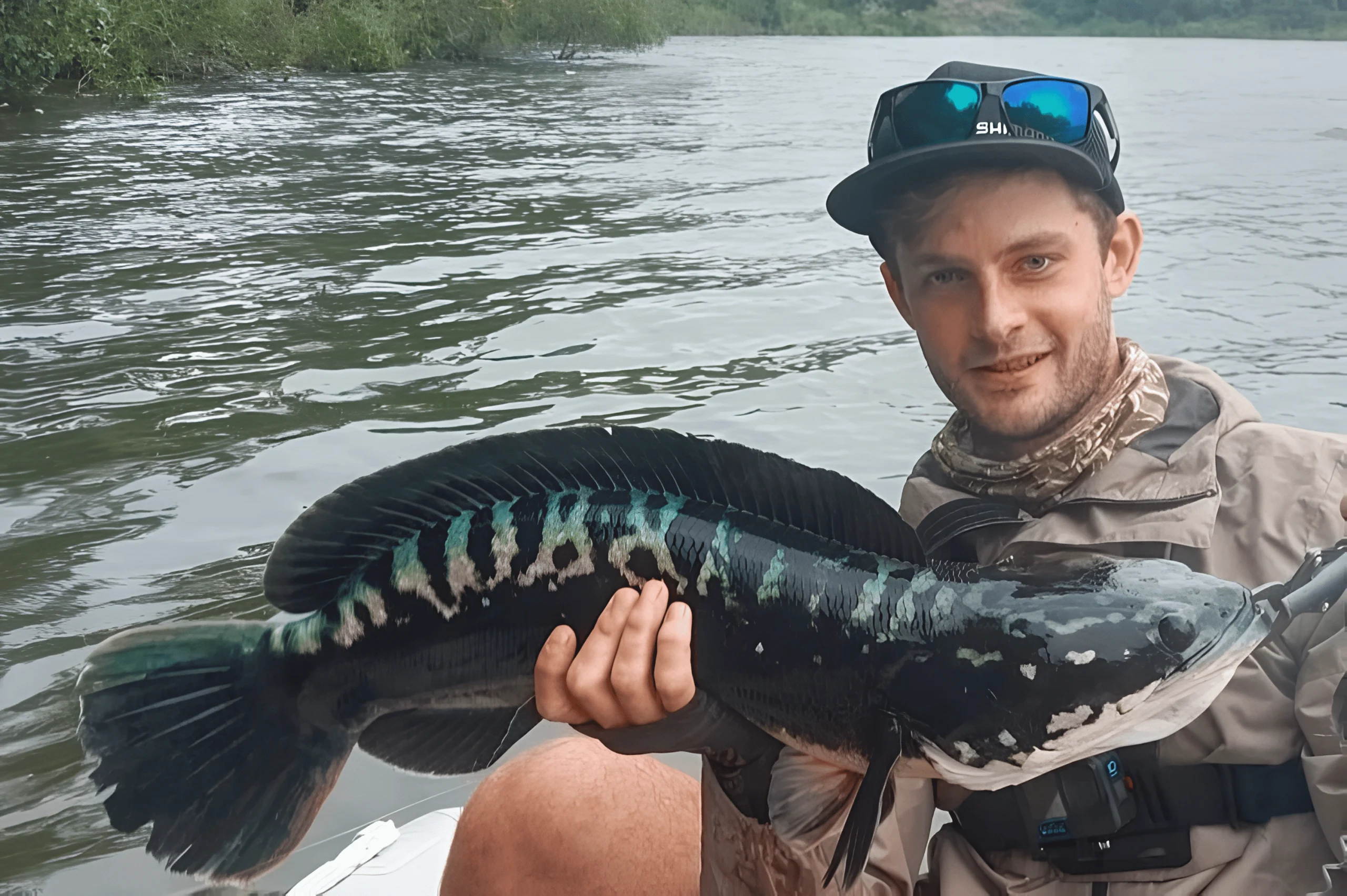
Water quality at Mo Lake maintains the standards giant snakeheads require for optimal growth and reproduction. Temperature ranges stay within the 22-28°C sweet spot that maximizes snakehead metabolism during peak feeding seasons, while seasonal turnover patterns distribute nutrients and oxygen throughout the water column.
The fish populations here support trophy-sized predators in numbers impossible in pressured urban waters. Robust tilapia populations provide primary food sources, while native species and small carp add dietary variety that produces the fast growth rates responsible for Mo Lake’s trophy fish reputation.
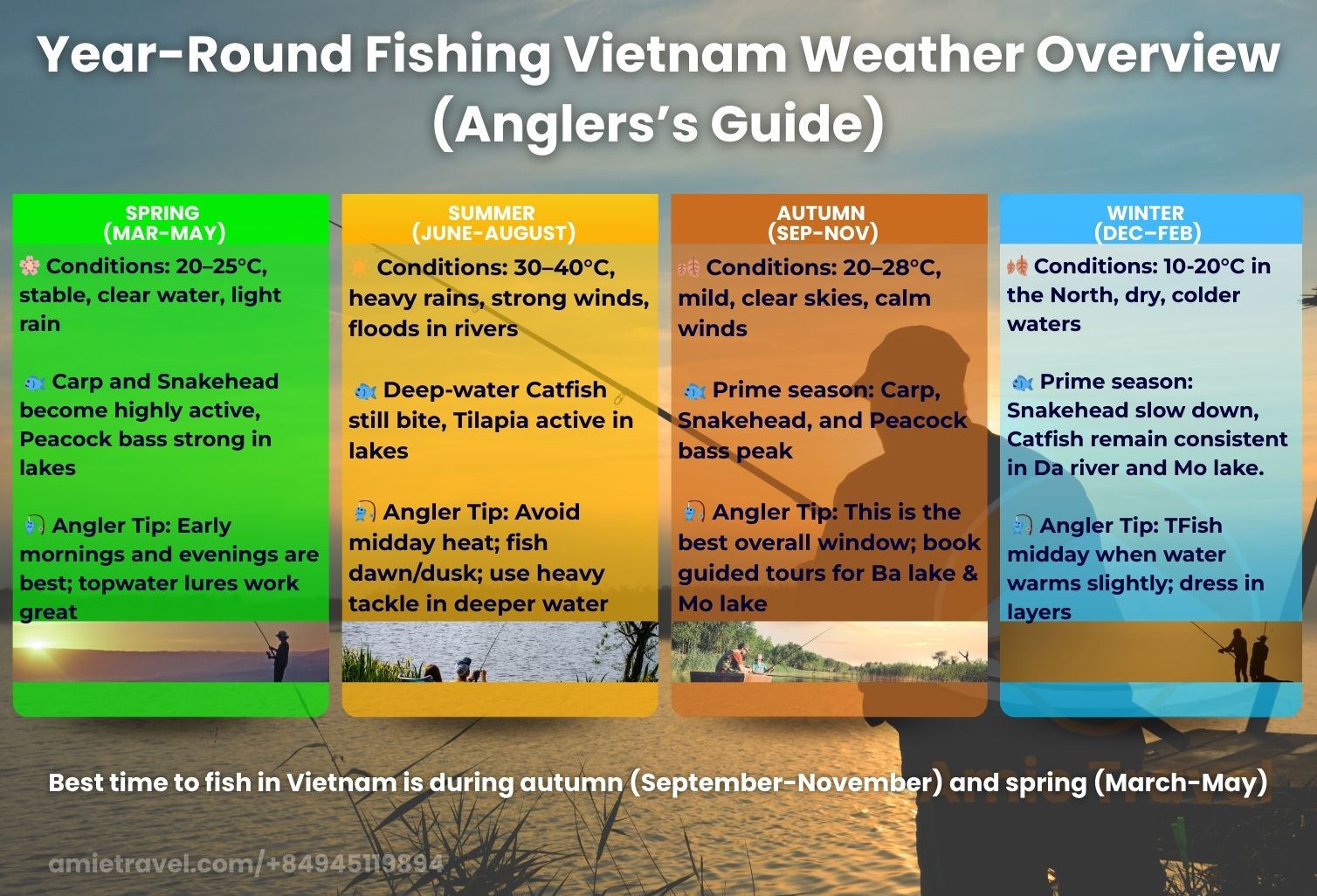
Seasonal baitfish movements create predictable feeding opportunities that experienced guides learn to pattern and exploit. Spring spawning concentrates prey fish in shallow areas where giant snakeheads hunt aggressively. Summer heat drives baitfish to deeper, cooler water where ambush predators wait in vegetation edges. Autumn feeding sees massive prey fish schools that trigger competitive feeding among giant snakeheads (toman).
The lake’s management practices maintain habitat quality that supports sustainable trophy fishing. Unlike some Vietnamese waters where overfishing or pollution degrades habitat, Mo Lake’s ecosystem remains healthy enough to continuously produce the large, aggressive snakehead that make it legendary among Northern Vietnamese anglers.
How Giant Snakehead (Toman) use habitat across seasons at Mo lake
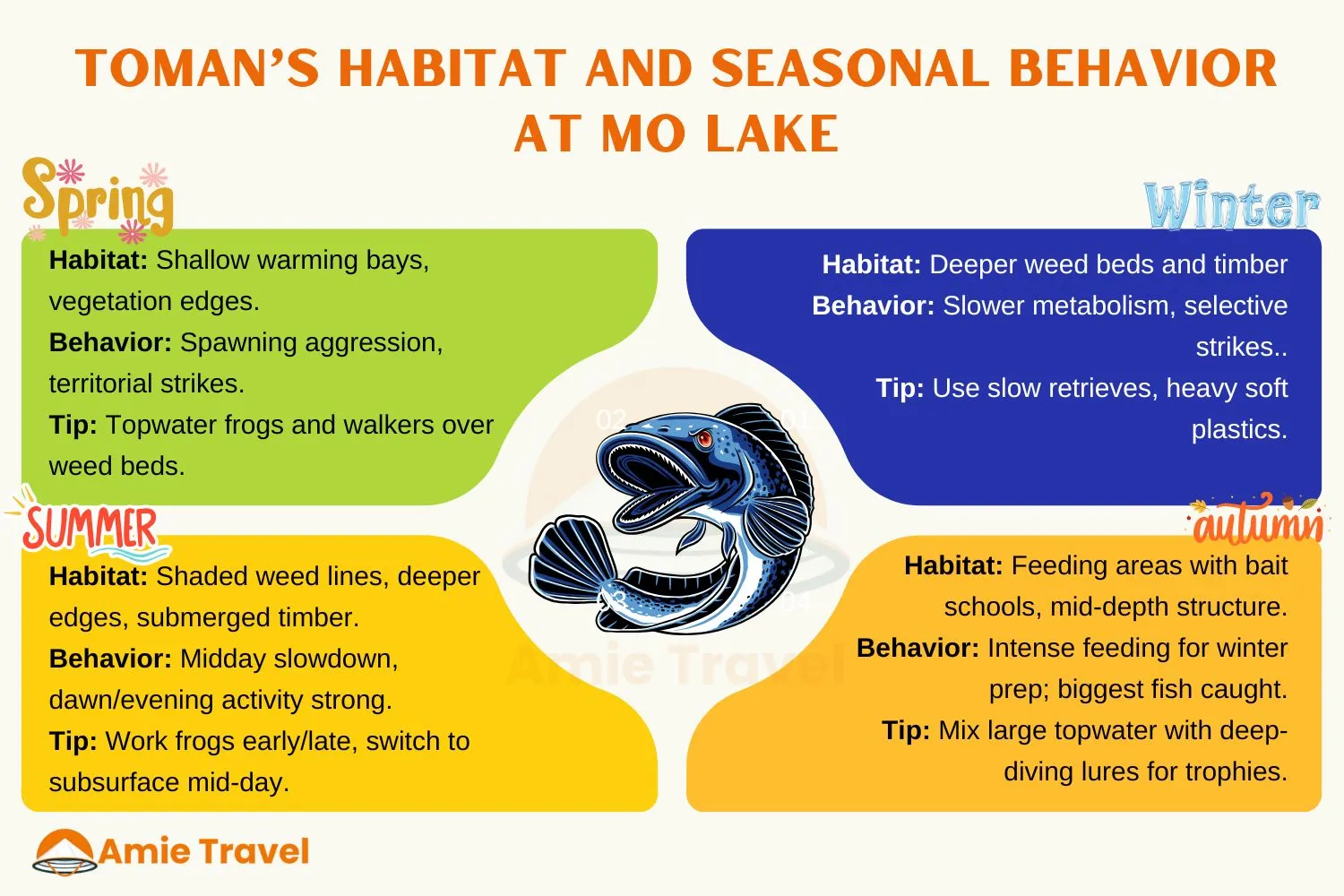
Peak seasons at Mo Lake for explosive topwater giant snakehead
Rainy season aggression (June-August) and oxygen spikes
Mo Lake transforms during the rainy season (June-August) as increased oxygen levels and rising water create conditions that trigger the most violent snakehead strikes of the year. Rain doesn’t shut down fishing – it supercharges it. Overcast skies extend productive topwater fishing throughout the day instead of limiting it to dawn and dusk windows.
The sound of feeding giant snakehead during rain events carries across the water like explosions. These aren’t gentle rises – they’re eruptions that launch 5kg fish completely out of the water in feeding displays that permanently change expectations about freshwater fishing violence. The combination of aggressive fish and perfect topwater conditions creates experiences that convert casual anglers into snakehead fanatics.
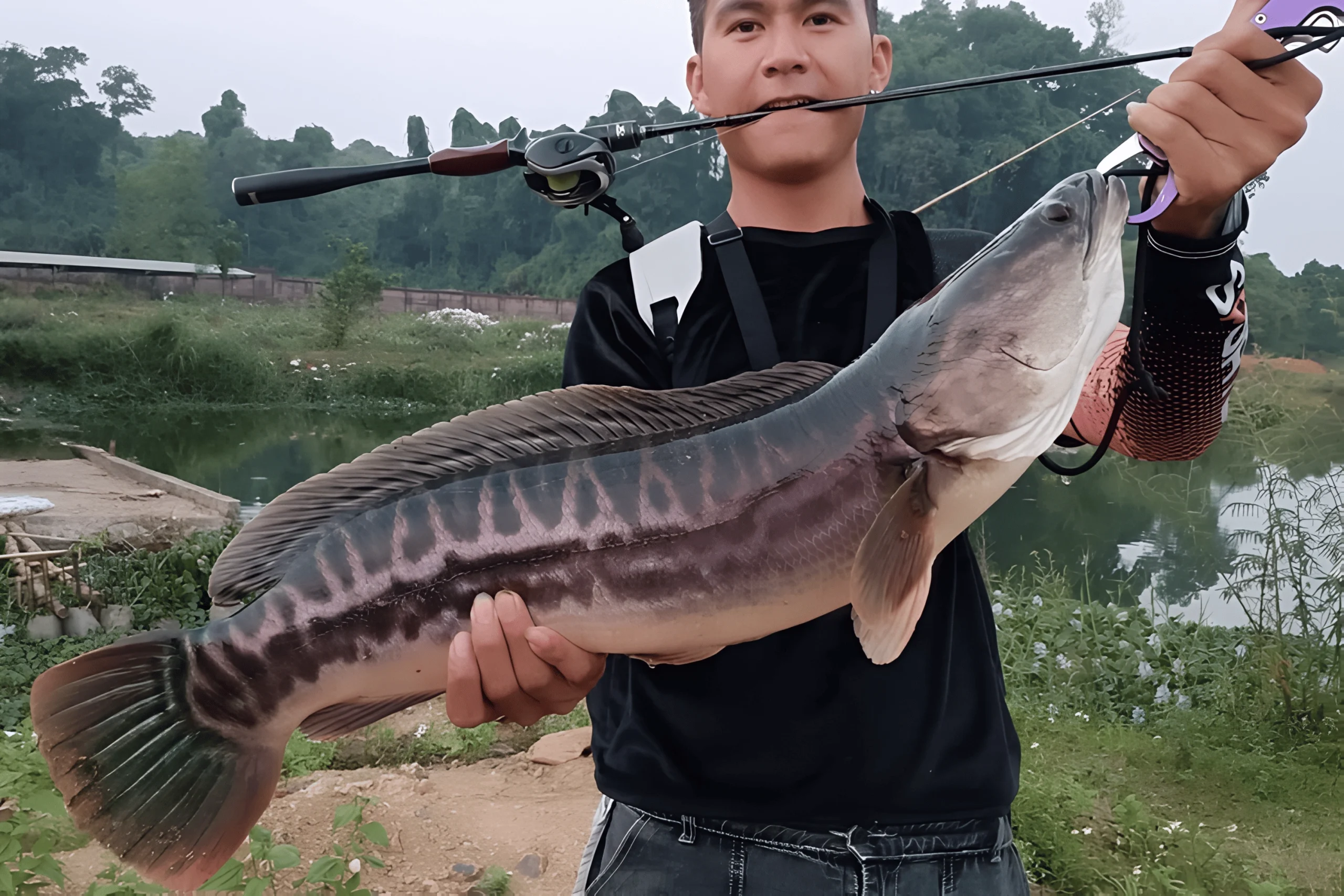
Rising water levels during monsoon periods expand hunting territory and bring giant snakehead into areas that remain dry during normal conditions. Flooded vegetation and newly accessible shallow areas concentrate baitfish while providing snakehead with expanded ambush opportunities. Understanding how water level changes affect fish movement patterns allows guides to position clients for optimal success.
The increased oxygen content during and after rain events triggers feeding behavior that makes giant snakehead less selective about lure presentations. Fish that might ignore offerings during stable conditions become aggressive enough to hit topwater lures repeatedly, creating opportunities for multiple hookups during single sessions.
>> For anglers ready to experience Mo Lake in depth, check out our multi-day Dong Mo fishing adventure that combine giant snakehead action with local exploration.
Spring spawning strikes (April-June) and territorial behavior
Spring spawning season (April-June) produces the most predictably aggressive giant snakehead fishing as territorial behavior makes fish attack anything entering their areas. This isn’t feeding aggression – it’s a protection instinct that creates opportunities for spectacular topwater action in shallow water where every strike is visible.
Spawning giant snakehead (Toman) establish territories around optimal nesting habitat and defend them with violence that makes fishing both exciting and challenging. Fish that might normally be spooky become absolutely fearless, attacking large topwater lures with enough force to test equipment limits while providing visual excitement impossible during other seasons.
The territorial aggression allows targeting specific fish rather than fishing randomly. Giant snakehead defending spawning areas become predictable in their response to lures presented near their territories, creating opportunities for sight fishing and repeated presentations to individual trophy fish.
Understanding spawning behavior allows ethical fishing that provides spectacular action without disrupting reproduction. Experienced guides know how to locate and fish spawning areas while respecting natural cycles that maintain Mo Lake’s trophy fish populations for future seasons.
Mo Lake vs other Northern Vietnam fishing spots
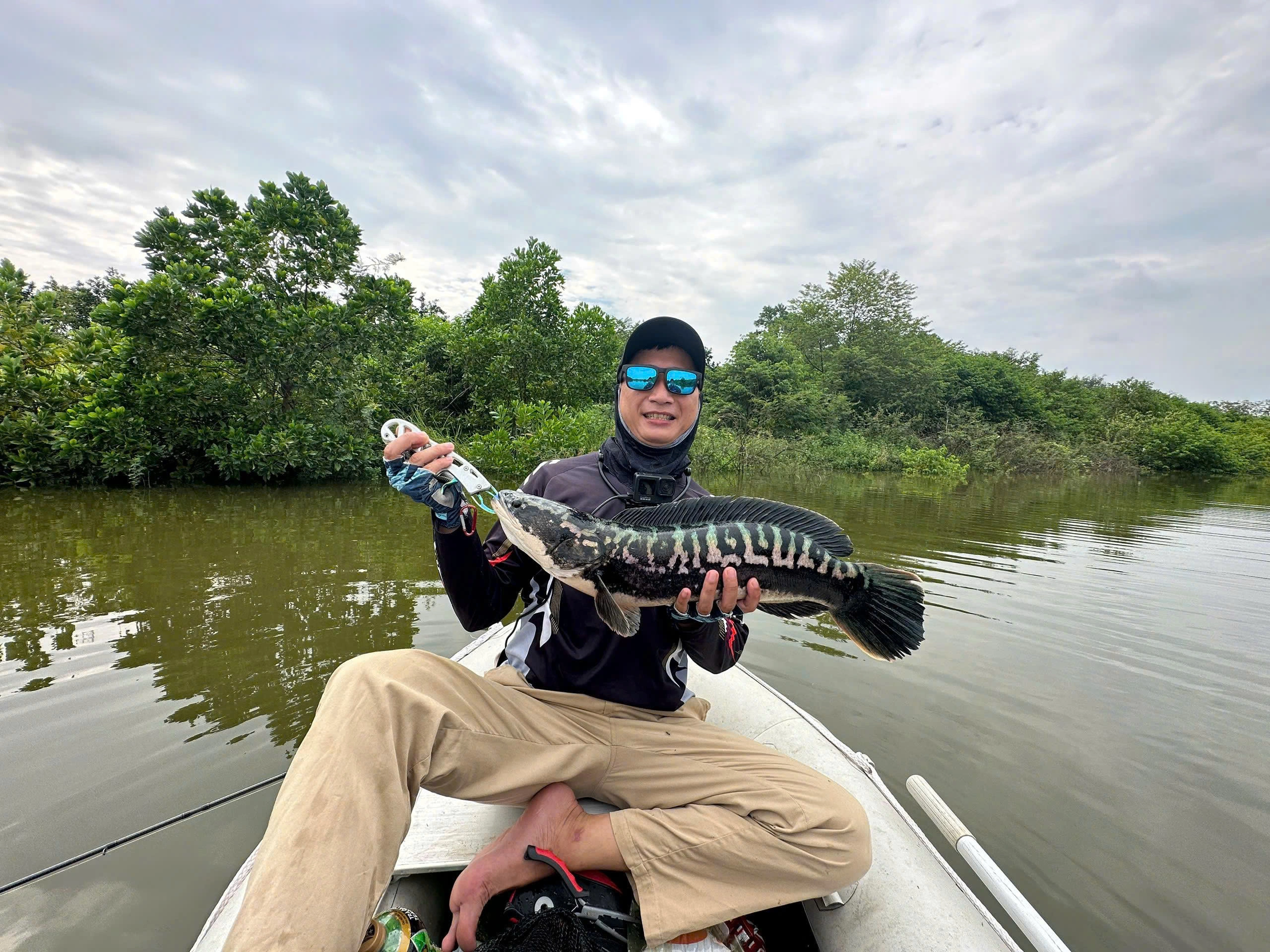
Comparing Mo Lake giant snakehead with Ba Lake peacock bass reveals different but equally spectacular topwater experiences. Snakehead strikes combine raw power with explosive surface action, while peacock bass provide speed and aerial displays. Both species deliver memorable topwater fishing, but giant snakeheads at Mo Lake offer more consistent opportunities due to their territorial behavior and extended activity periods.
Da River yellowcheek carp hunting requires different skills and equipment than Mo Lake snakehead fishing. Yellowcheek success depends on locating feeding schools and understanding pack hunting behavior, while giant snakehead fishing focuses on individual fish behavior around specific structure. Mo Lake provides more forgiving learning curves for developing topwater techniques.
The accessibility advantage of Mo Lake becomes crucial for anglers wanting regular topwater experience. While Da River expeditions require extended commitments and Ba Lake demands overnight stays, Mo Lake delivers world-class topwater fishing during day trips that fit normal work schedules and family commitments.
Seasonal timing differences mean Mo Lake often provides topwater opportunities when other destinations are challenging. Spring spawning aggression peaks earlier than yellowcheek feeding seasons, while rainy season snakehead activity contrasts with the difficult conditions that affect reservoir fishing during monsoon periods.
Multi-species fishing opportunities at Mo Lake
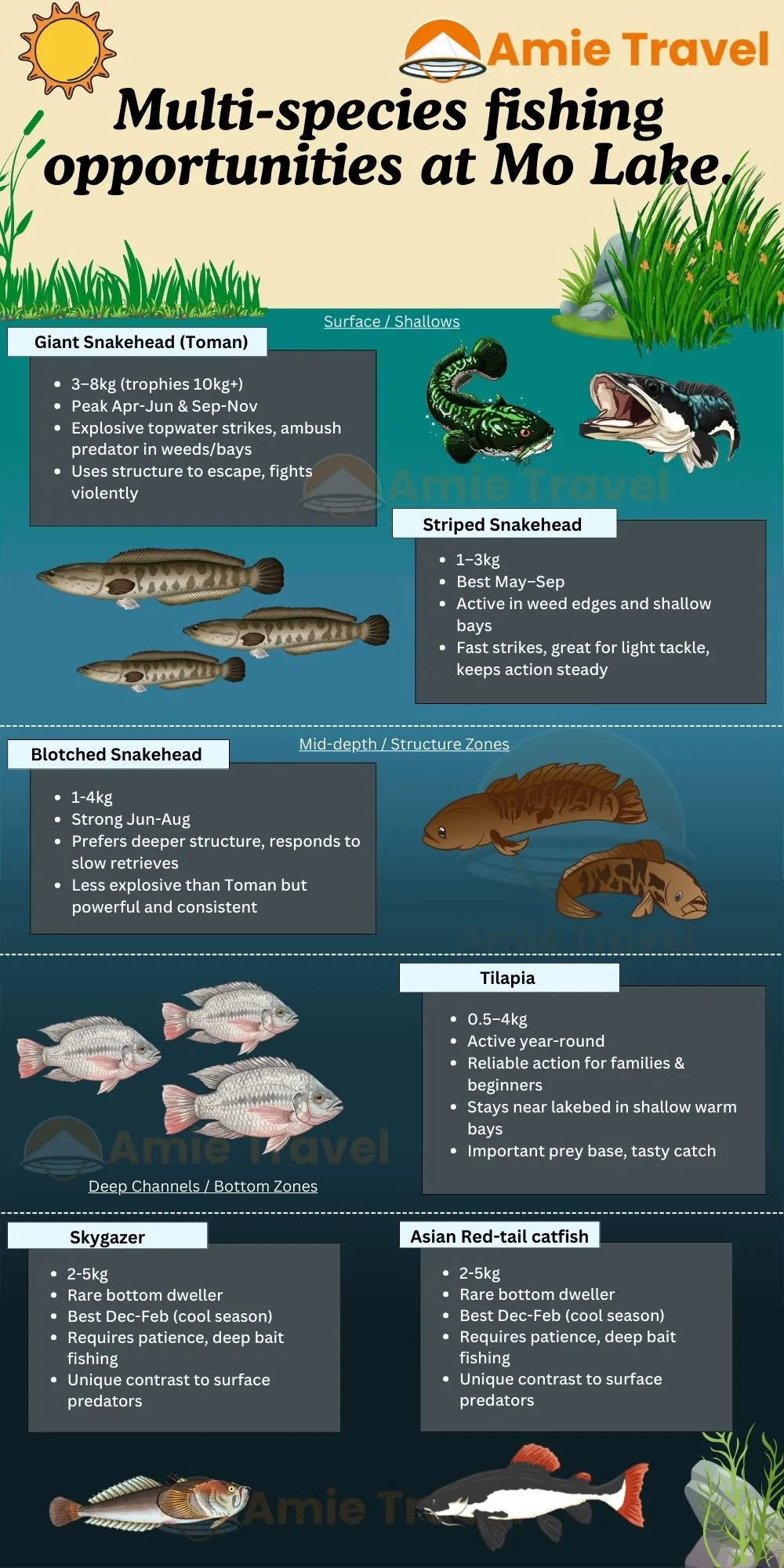
Each species occupies a unique ecological niche in Mo Lake, knowing their habitat and timing is key to consistent success.
Easy access from Hanoi with day trips and multi-day fishing at Mo Lake
Unbeatable transportation and accessibility
The 45-minute journey from central Hanoi to Mo Lake changes everything about serious fishing accessibility. Morning departures at 5 AM put anglers on prime fishing water by dawn, while afternoon returns allow evening commitments without conflicting with peak fishing periods. This proximity makes regular fishing practical rather than occasional adventure.
Route options accommodate different traffic patterns and departure times, with experienced guides knowing alternatives that minimize travel time during various daily periods. The reliability of access means fishing plans rarely face transportation complications that can derail trips to more remote destinations.
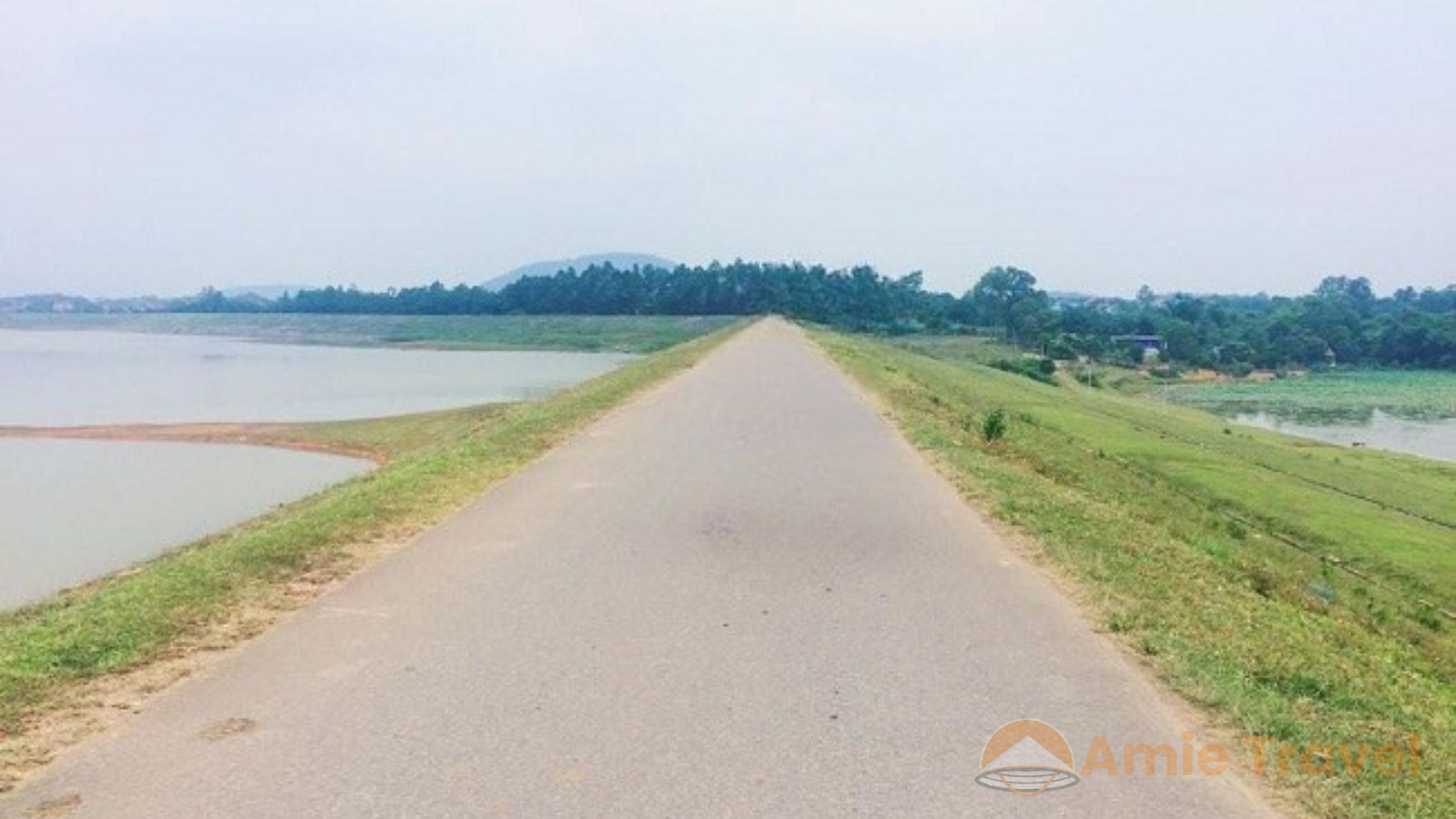
Traffic considerations vary by season and departure timing, but the relatively short distance means minor delays don’t significantly impact fishing time. Early morning departures typically face minimal traffic, while return timing flexibility allows avoiding peak congestion periods that might affect other activities.
The proximity factor allows building familiarity with Mo Lake through repeated visits rather than treating each trip as a once-in-a-lifetime opportunity. Regular fishing builds skills and knowledge while developing relationships with local guides and understanding seasonal patterns that improve long-term success rates.
Day-trip fishing for anglers (schedule, packing, bite windows)
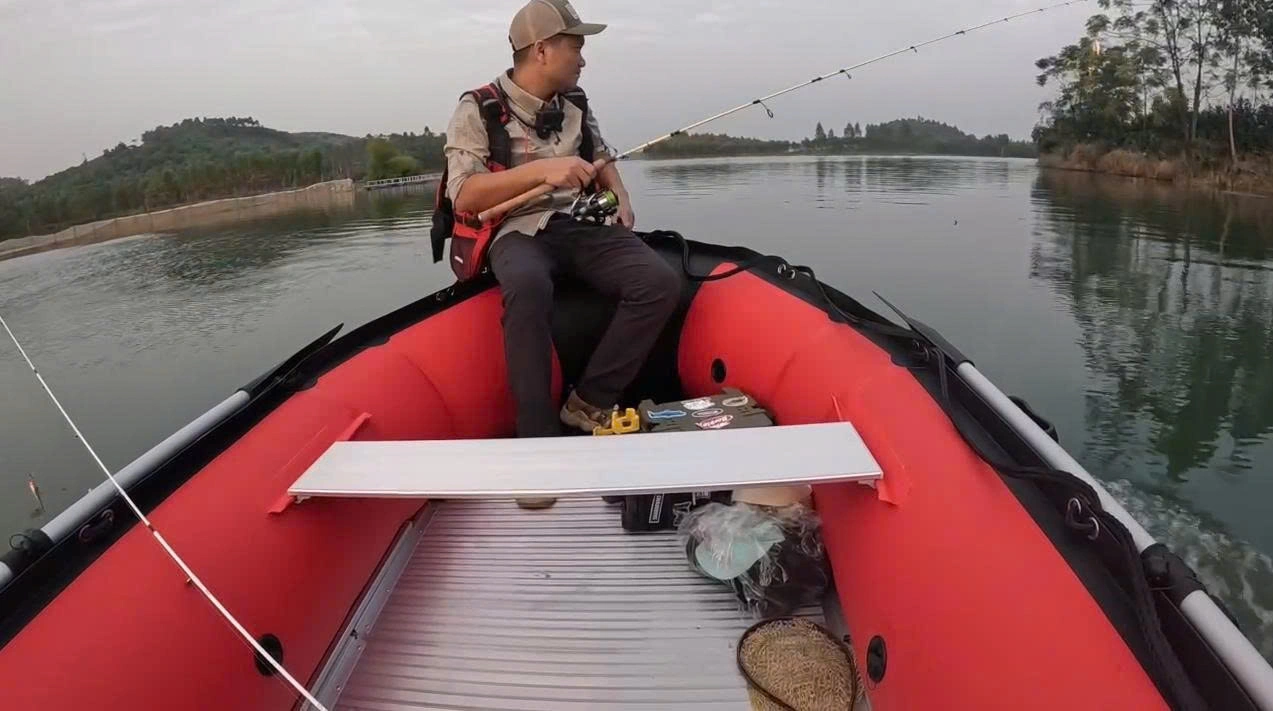
Optimal day trip schedules maximize fishing time while accommodating travel and logistics requirements. Dawn departures provide opportunities for peak morning snakehead activity, while structured fishing periods ensure adequate time for different techniques and species targeting throughout the day.
Realistic expectations for day trips include 6-8 hours of actual fishing time with opportunities for multiple species and techniques. This duration allows experiencing Mo Lake’s diversity while providing enough time for beginners to develop skills and experienced anglers to target trophy fish effectively.
Day trip structures can be customized based on angler preferences and experience levels. Families might prefer mixed activities with cultural elements, while serious anglers focus entirely on fishing with technique instruction and species targeting. The flexibility accommodates different goals while maintaining high satisfaction rates.
Return logistics from day trips rarely create complications due to short travel distances and reliable transportation options. Evening returns typically arrive in Hanoi by 6-7 PM, allowing dinner plans or other activities without rushing fishing or creating stress about punctuality.
Extended stay options for serious anglers
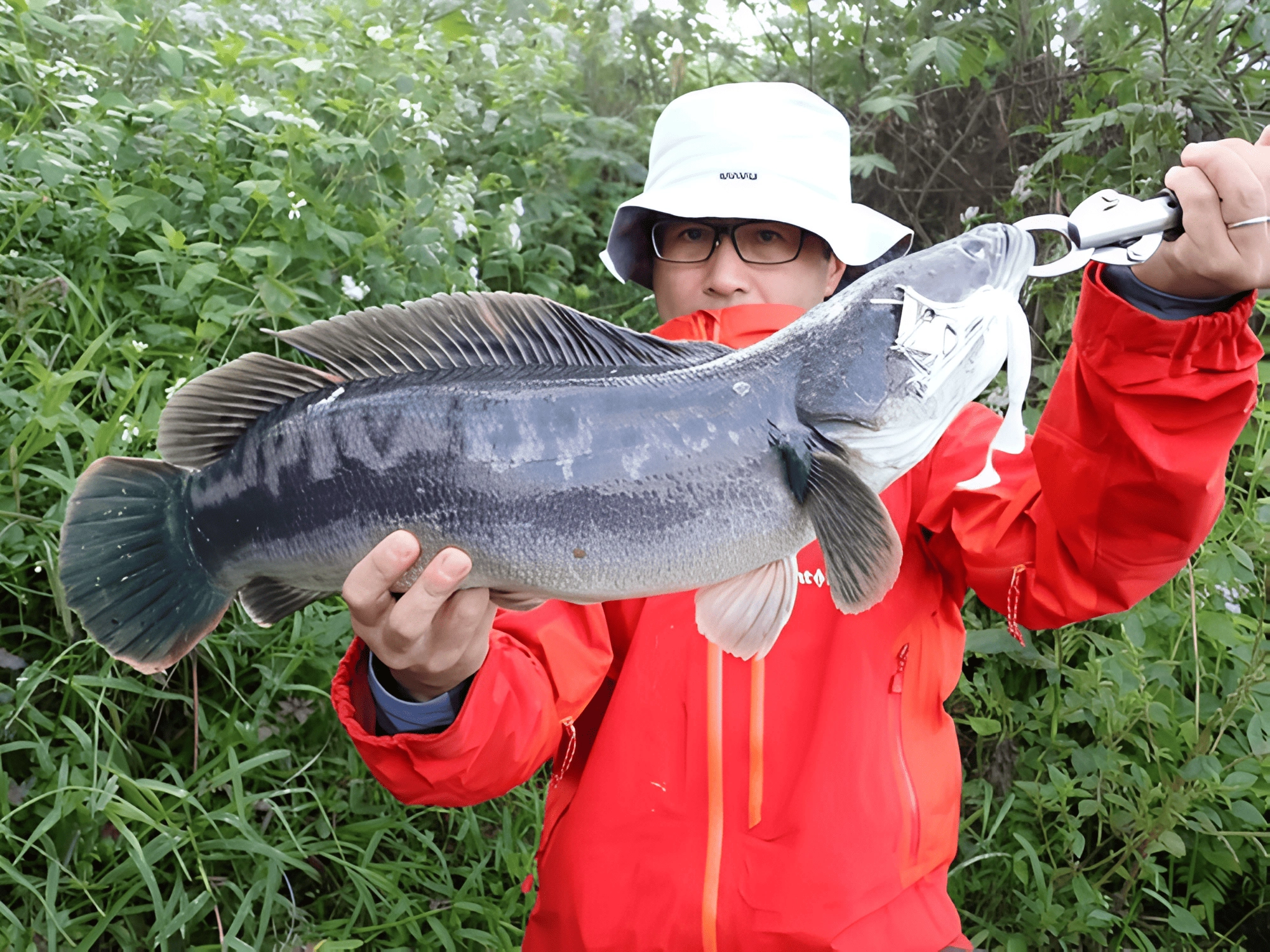
Multi days fishing trips (2-4 days) provide comprehensive Mo Lake experiences that allow deeper exploration of techniques, locations, and seasonal patterns. Extended stays improve giant snakehead success rates while providing time for skill development and understanding lake characteristics thoroughly.
Lakeside accommodation options range from basic fishing-focused lodging to comfortable resorts that provide amenities for extended stays. Fishing-friendly facilities typically include equipment storage, fish cleaning areas, and early breakfast options that support serious angling activities.
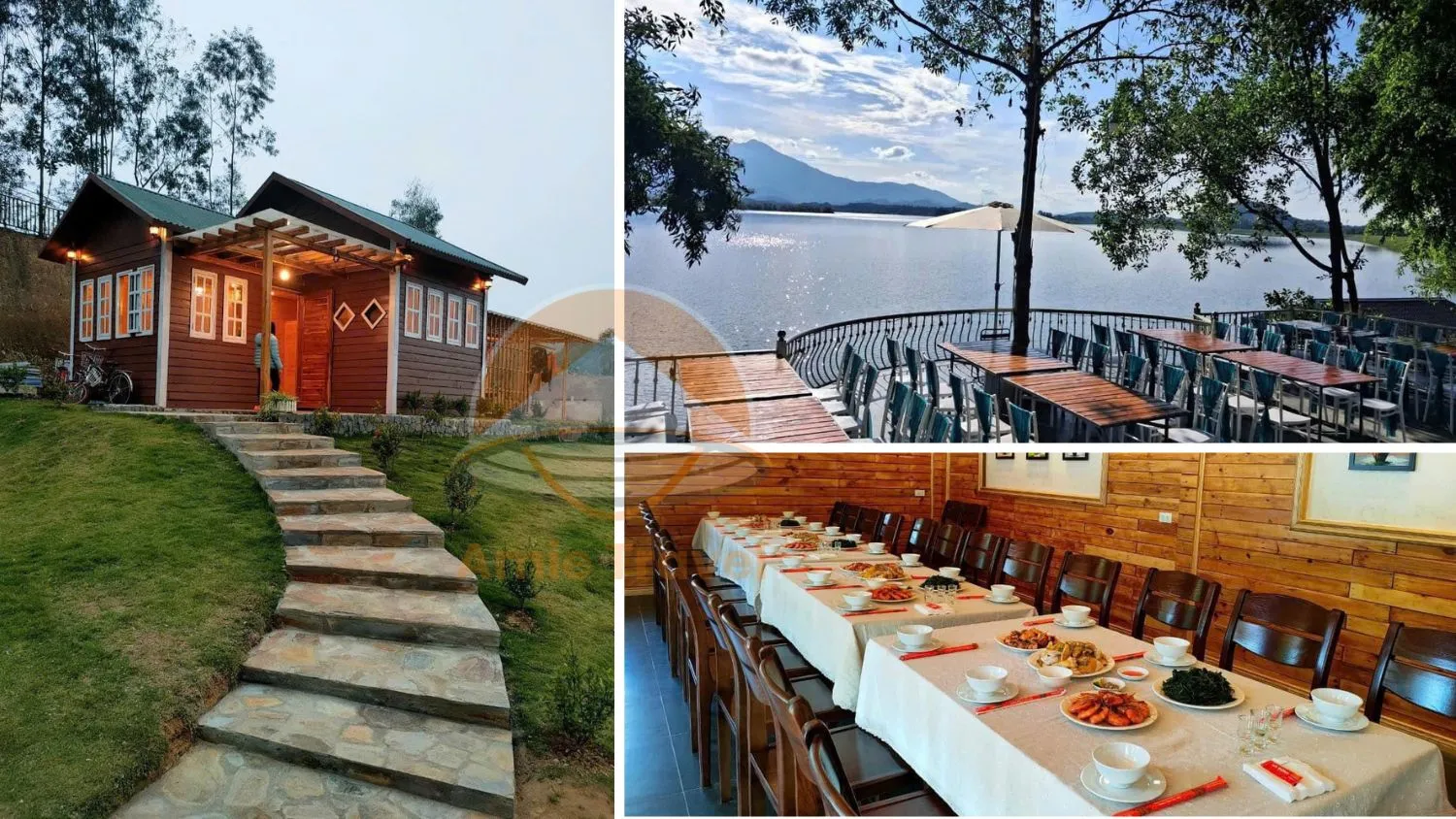
Professional guide services adapt to extended stay formats by providing progressive instruction, exploring different lake areas, and adjusting techniques based on daily conditions and angler development. Multi-day programs build skills systematically while maximizing opportunities for trophy fish encounters.
The combination of accessibility and extended stay options allows Mo Lake to accommodate various angler types and commitment levels. Casual fishing tourists enjoy day trips, while dedicated anglers pursue extended experiences that develop expertise and increase trophy potential.
Fishing plus luxury tourism around Mo Lake
Mo Lake is more than a fishing spot. Starting from Hanoi, it lets anglers chase giant snakehead at sunrise, then spend the afternoon on nearby mountain golf courses. The timing works perfectly: peak fishing months of April-June and September-November line up with the best golf weather in northern Vietnam.
For overnight stays, the area offers lakeside villas and resorts. Some have private docks and storage for tackle, while others focus on comfort with spas, pools, and fine dining. Many guests enjoy having a chef prepare the day’s catch – Vietnamese style or international. Midday, when snakehead often slow down, guests can relax at the spa or explore the resort facilities before heading out again for evening action.
Mo Lake’s as known as a retreat because of its easy access and service standards. Fishing trips can mix with golf, wellness. Transfers by private cars, and English-speaking guides make planning simple for international visitors. It’s this mix of serious fishing, luxury comfort, and professional service that makes Mo Lake stand out in Vietnam.
Conclusion
Mo Lake’s combination of accessibility, trophy fish potential, and species diversity creates unique advantages that no other Northern Vietnam destination matches. The 45-minute proximity to Hanoi makes world-class snakehead fishing practical for busy schedules, while habitat quality produces trophy fish that justify serious angling investment.
The reliability factor distinguishes Mo Lake from destinations that require perfect timing or extended commitments for success. Diverse species populations ensure productive fishing regardless of daily conditions or seasonal variations that might affect single-species destinations. This consistency builds confidence while reducing the disappointment potential that can discourage fishing development.
Professional guide services and tourism integration create complete experiences that work for various angler types and trip goals. Whether pursuing trophy giant snakehead, developing predator fishing skills, or introducing family members to quality fishing, Mo Lake provides appropriate experiences without compromising standards or expectations.
The sustainable approach to Mo Lake fishing ensures continued quality while supporting local communities and conservation efforts. This long-term perspective maintains fishing quality while creating positive impacts that benefit both anglers and local populations, ensuring Mo Lake remains Vietnam’s premier accessible predator fishing destination.
>For comprehensive Northern Vietnam fishing opportunities, see our Hanoi Area Fishing Guide
Frequently Asked Questions
1.What tackle do I need for Mo Lake giant snakehead?
Heavy spinning tackle handles Mo Lake giant snakehead effectively – think 7-foot heavy-action rods paired with 4000-6000 size reels. Main line should be 30-50lb braid with 40-60lb fluorocarbon leaders to handle teeth and structure. Essential lures include large topwater poppers, walking baits, and weedless soft plastics in natural colors. Bring backup equipment since giant snakehead can destroy tackle quickly.
2. When is the best time to fish Mo Lake for giant snakehead?
April through June provides peak giant snakehead fishing as spawning behavior creates maximum aggression. September through November delivers excellent autumn feeding with larger average fish sizes. Daily timing focuses on dawn (5:30-8:00 AM) and evening (5:00-7:30 PM) periods, though rainy season allows productive fishing throughout overcast days.
3.Do I need a guide for Mo Lake snakehead fishing?
Professional guides dramatically improve success rates through local knowledge of seasonal patterns, fish behavior, and optimal techniques. Guides provide equipment, navigate efficiently to productive areas, and teach techniques specific to Mo Lake conditions. Independent fishing is possible for experienced anglers, but guide services maximize limited fishing time while ensuring safety and success.
4.What other species can I catch besides giant snakehead?
Mo Lake supports striped snakehead (1-3kg), blotched snakehead, skygazer, Asian catfish, and quality tilapia populations. This diversity ensures consistent action when giant snakehead become selective or inactive. Multi-species techniques allow targeting different species throughout the day while building versatile predator fishing skills.
5.Can beginners catch giant snakehead at Mo Lake?
Beginners can successfully catch giant snakehead at Mo Lake with proper guide instruction and appropriate equipment. The lake’s healthy fish populations and professional guide services create optimal learning environments. Realistic expectations include smaller giants (2-4kg) initially while developing skills for larger specimens. Guide services adapt instruction to experience levels while maintaining trophy potential.
6.How big do Mo Lake giant snakehead get?
Mo Lake giant snakehead average 3-6kg with regular specimens reaching 8kg+. Trophy potential includes fish exceeding 10kg, though such specimens require advanced techniques and optimal conditions. Seasonal variations show larger fish during autumn feeding periods, while spawning season produces the most aggressive strikes regardless of size.
Contact Us
Website: amietravel.com
Instagram: amietravel.vietnam/freshwaterfishing.lure
Email: info@amietravel.com
Hotline 24/7: + 84 945 11 9894