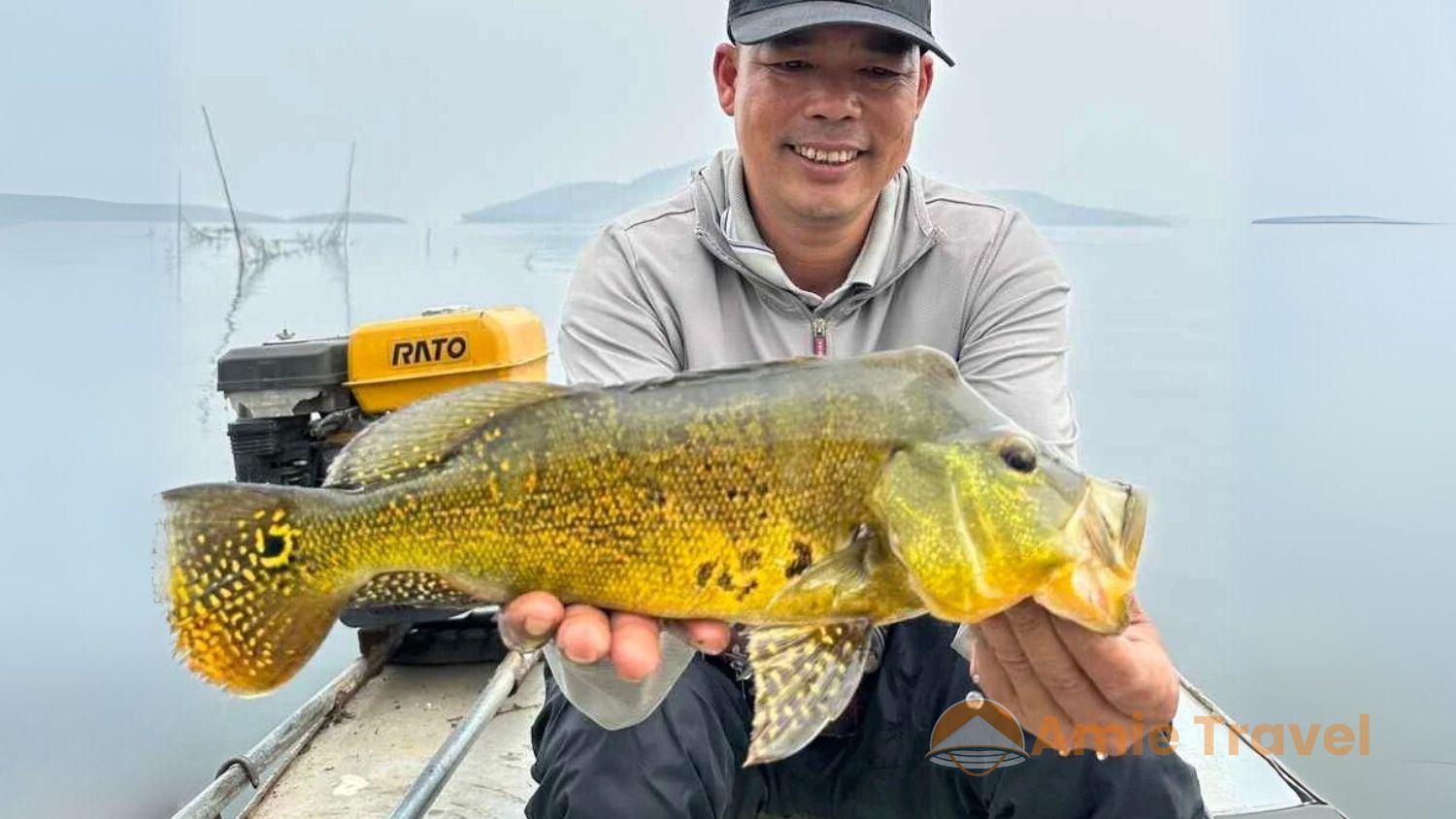
Most experienced anglers think they know Vietnamese fishing until they experience the Da river. Forget everything you’ve heard about other northern lakes, this is where Vietnam’s most legendary freshwater battles happen. I’ve been guiding the Da river for eight years, and I still get that electric feeling when yellowcheek carp schools start hunting in the pre-dawn darkness.
The Da River isn’t just another fishing spot. It’s a 910km beast that flows from China through some of Vietnam’s most remote country before joining the Red River system. But here’s what the guidebooks won’t tell you: there’s a 50km stretch west of Hanoi where the river creates the perfect storm for trophy fishing. Deep pools up to 40 meters, rocky structure that’s held fish for centuries, and water clean enough that you can spot 20kg kanyu from the surface. Here demands you to have experience, respect, patience, and a willingness to fail spectacularly before you succeed. But when it clicks, when you hear that distinctive crash of feeding yellowcheek carp at dawn, or feel a 60kg red tail catfish hit your live bait like a freight train, you’ll understand why serious Vietnamese anglers consider this hallowed water.
This guide breaks down how the Da river fishes through the year, which species make it special, practical setups that work in current, and how to plan a trip so you are there when conditions align.
Why the Da river owns Yellowcheek fishing
The perfect Yellowcheek home
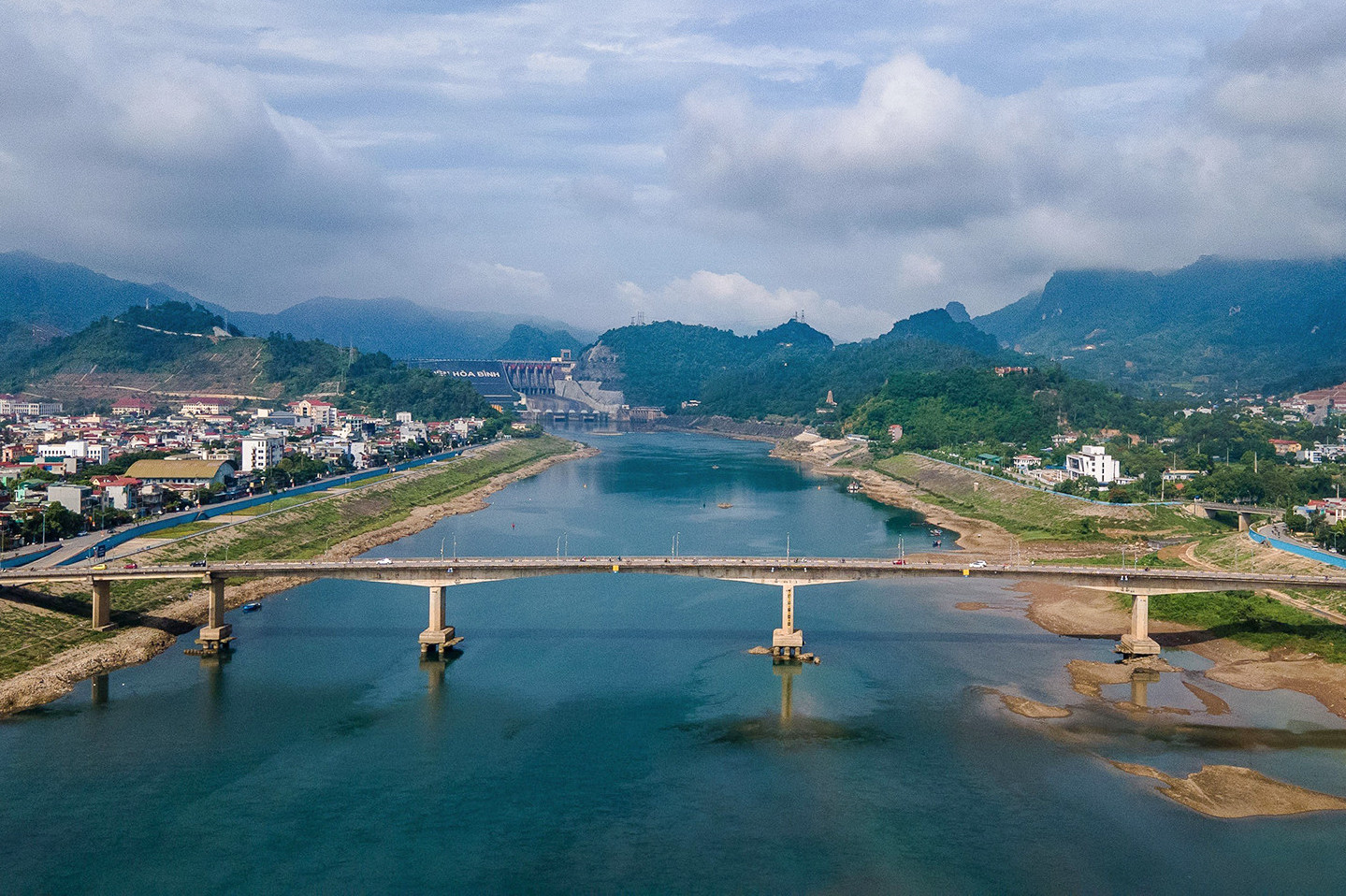
Da river’s unique geography creates conditions impossible to find anywhere else in Northern Vietnam. Current flow keeps oxygen levels high while constantly delivering fresh baitfish that fuel the massive schools we hunt. Deep pools provide refuge areas where trophy fish can grow undisturbed, while shallow flats create the hunting grounds where feeding spectacles happen.
What makes this stretch legendary is the variety of feeding environments within casting distance of each other. Yellowcheek uses current breaks to trap baitfish, rocky points to corner schools, and shallow flats to execute the coordinated feeding displays that define world-class kanyu fishing. Understanding how these fish use different areas throughout the day separates good yellowcheek anglers from those who go home with stories about “the ones that got away.”
The water clarity here consistently beats every other yellowcheek destination in Vietnam. Even during monsoon season, the Da river clears faster than stillwater systems, which matters hugely when you’re dealing with fish smart enough to examine your lures before deciding whether to eat them. Clear water means sight fishing opportunities that turn fishing into hunting.
Fish populations that defy belief
Yellowcheek Carp (Kanyu) – The river’s crown jewel
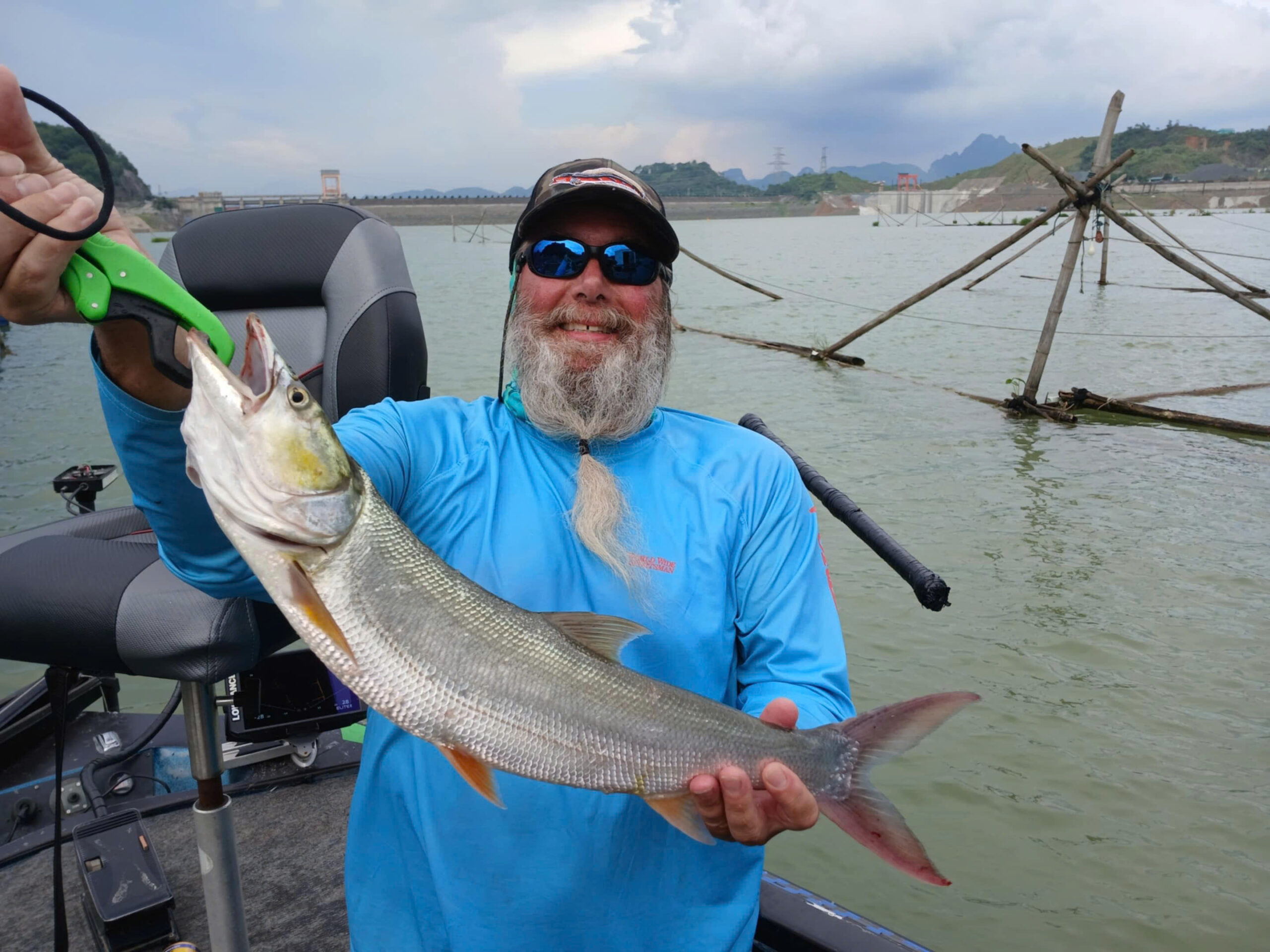
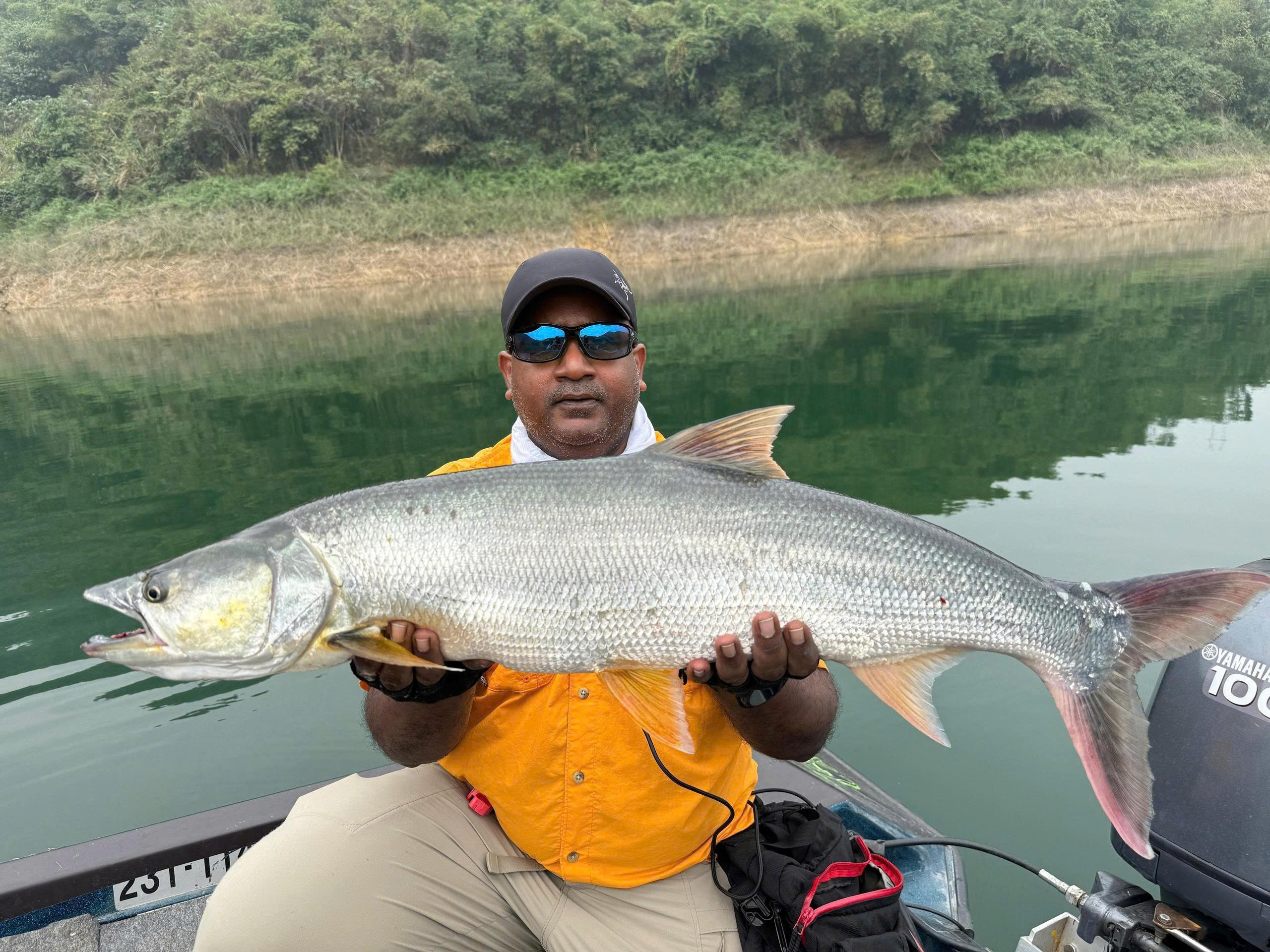
The Da River holds Vietnam’s most accessible population of true trophy yellowcheek carp. I’m talking about fish that regularly hit 25-35kg, with 50kg+ specimens caught every season by anglers who know where to look. These aren’t the smaller cousin species found in most Vietnamese lakes – these are genuine apex predators that hunt in packs and put up fights that test both your equipment and your endurance.
The feeding displays are what separate Da River kanyu from fish anywhere else. When conditions align, schools of these giants work together to trap baitfish against the surface, creating explosive feeding frenzies that can be heard from kilometers away. I’ve guided clients who stopped mid-cast just to watch 30kg fish launching themselves completely out of the water while hunting.
→ Plan a focused trip: Kanyu Yellowcheek Carp lure fishing from Hanoi
→ Species reference: Fishbase
Red Tail Catfish challenge

Da river’s red tail catfish (Hemibagrus wyckioides) represent the ultimate freshwater fishing challenge in Northern Vietnam. These prehistoric monsters can exceed 60kg and require specialized equipment and techniques that push both gear and angler to absolute limits. Success rates are brutal, experienced guides average one quality red tail per week of intensive fishing, but the potential for a fish of a lifetime keeps dedicated specialists coming back.
→ Start with a guide inquiry: Hanoi fishing tours
Goonch Catfish
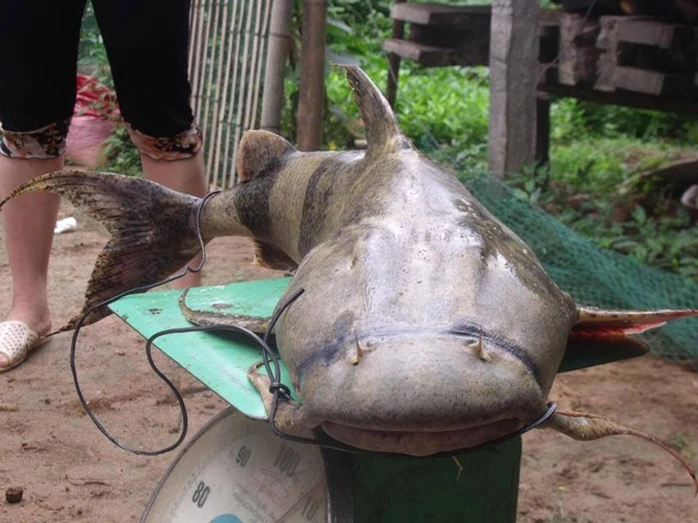
Goonch catfish in the Da river system reach sizes that border on mythical. Local reports of 100kg+ specimens aren’t tourist stories, they’re documented catches that required specialized expeditions and equipment. These fish are so challenging that serious goonch hunting requires 7+ day expeditions with success measured in single fish per trip.
→ Multi-day expedition planning: Hanoi fishing trips
Giant Snakehead

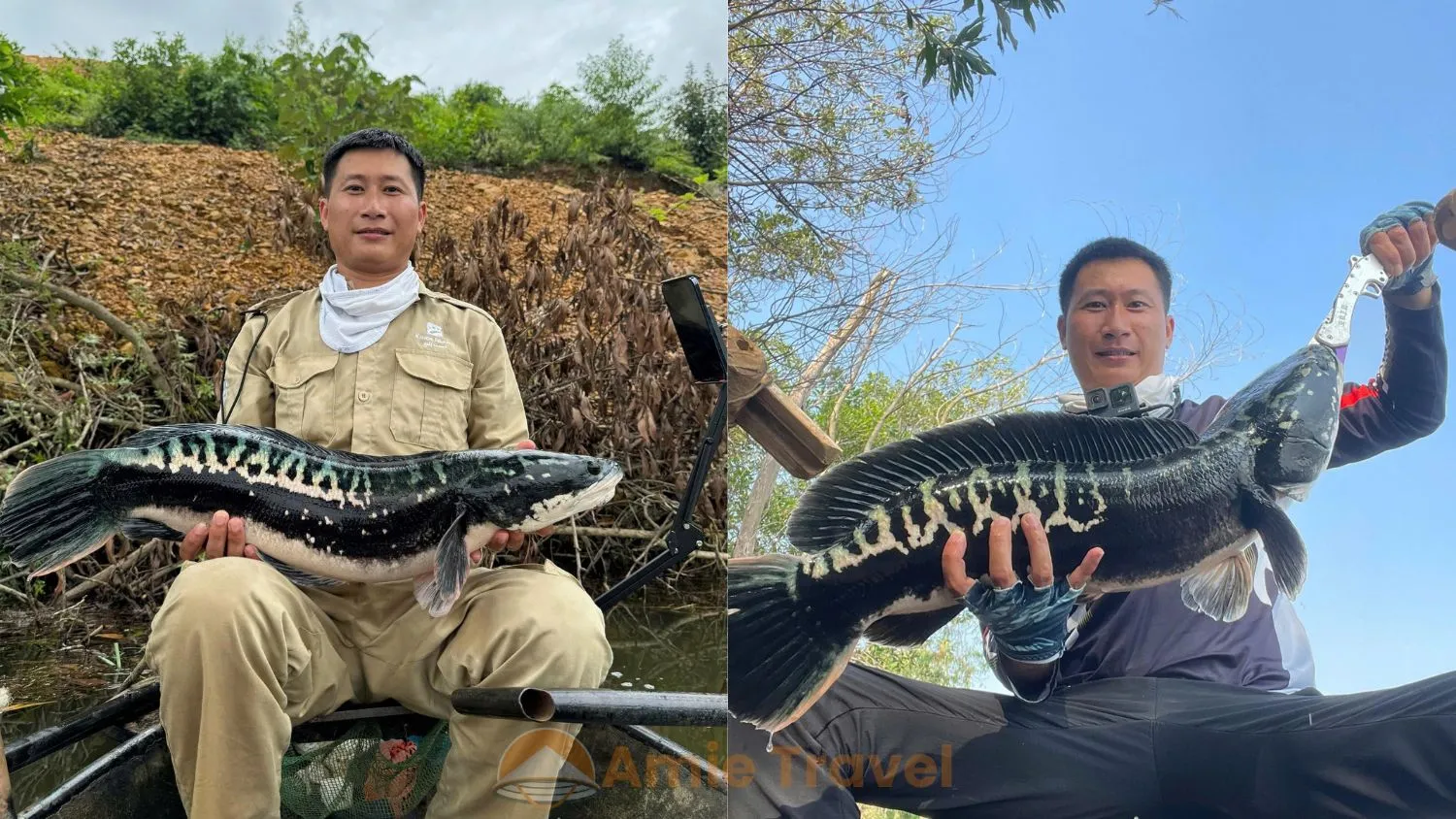
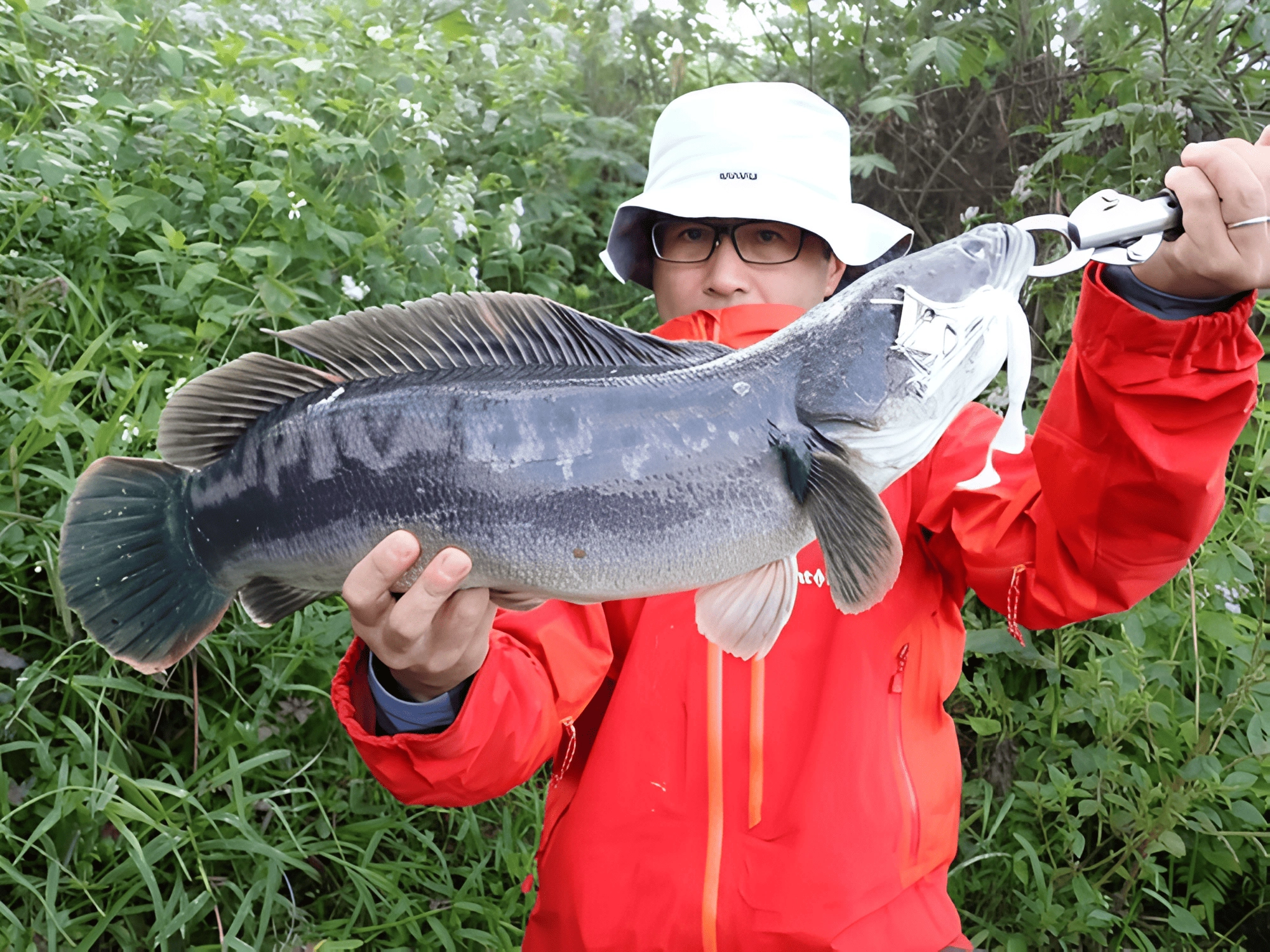
These river giants fight differently than lake fish, using current to amplify their already impressive power. They often follow yellowcheek feeding schools to pick off injured baitfish, so when you’re hunting kanyu, keep a topwater rod rigged for opportunities. River giants average bigger than lake fish and provide spectacular fights while we wait for yellowcheek activity.
Striped & Blotched Snakehead
The action species that provide consistent excitement while we wait for yellowcheek opportunities. They’re aggressive enough to hit topwater presentations regularly and numerous enough to keep things interesting during slow periods. Perfect confidence builders for clients who need some fish contact while learning yellowcheek patterns.
Tilapia
Da River tilapia grow large and fat in this nutrient-rich ecosystem. They’re perfect for beginners, families, or experienced anglers who want guaranteed action while studying yellowcheek behavior. Plus, they taste better than anything you’ll catch in polluted lakes closer to Hanoi.
Da river seasonal fishing calendar 2026
Spring awakening (March-May): Preparation season
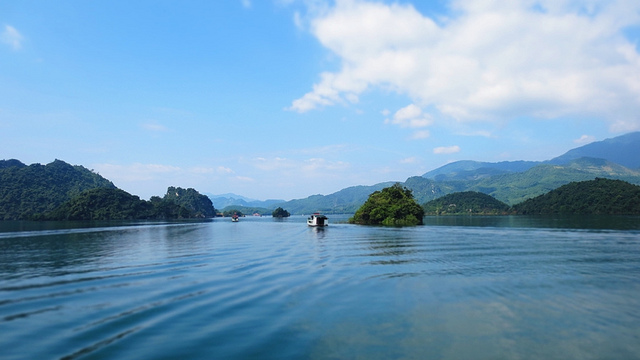
March – The scouting month on the Da River is like watching a giant wake up slowly. Water temperatures climb from winter lows toward the 20°C mark that starts triggering fish activity, but it’s gradual enough that you can’t rush the process. This is scouting season – when experienced guides spend their time learning where fish spent the winter and tracking their movement toward spring feeding areas.
I use March for electronics work, running depth finders over deep pools to mark schools of kanyu that are still lethargic but starting to group up. The clear spring water lets you actually see fish if you know where to look. Last March, I spent three days just watching a school of 20+ yellowcheek carp in a 25-meter pool, learning their daily movement patterns before the season really kicked off.
Traditional bottom fishing produces steady catfish during March, but don’t expect the explosive action that comes later. This is patience fishing – heavy tackle with cut bait, waiting for fish that are feeding but not aggressively. The best March fishing happens during the warmest part of afternoon when sun penetration warms the shallows enough to trigger some feeding activity.
→ Weather checks: Windy and Vietnam meteorological center
April: Building toward peak is when the Da river starts showing its true personality. Water temperatures hit that magic 22-25°C range that triggers yellowcheek carp to start their feeding displays, though they’re still sporadic and location-specific. This is the month for building relationships with fish, learning their patterns before they become fully active and educated.
The river’s rocky structure becomes critical during April as warming water draws baitfish to shallow areas where kanyu can trap them effectively. I focus on points where deep water meets shallow flats, especially areas with current breaks that concentrate food sources. Electronics show fish clearly now, and you can often watch feeding behavior develop throughout the day.
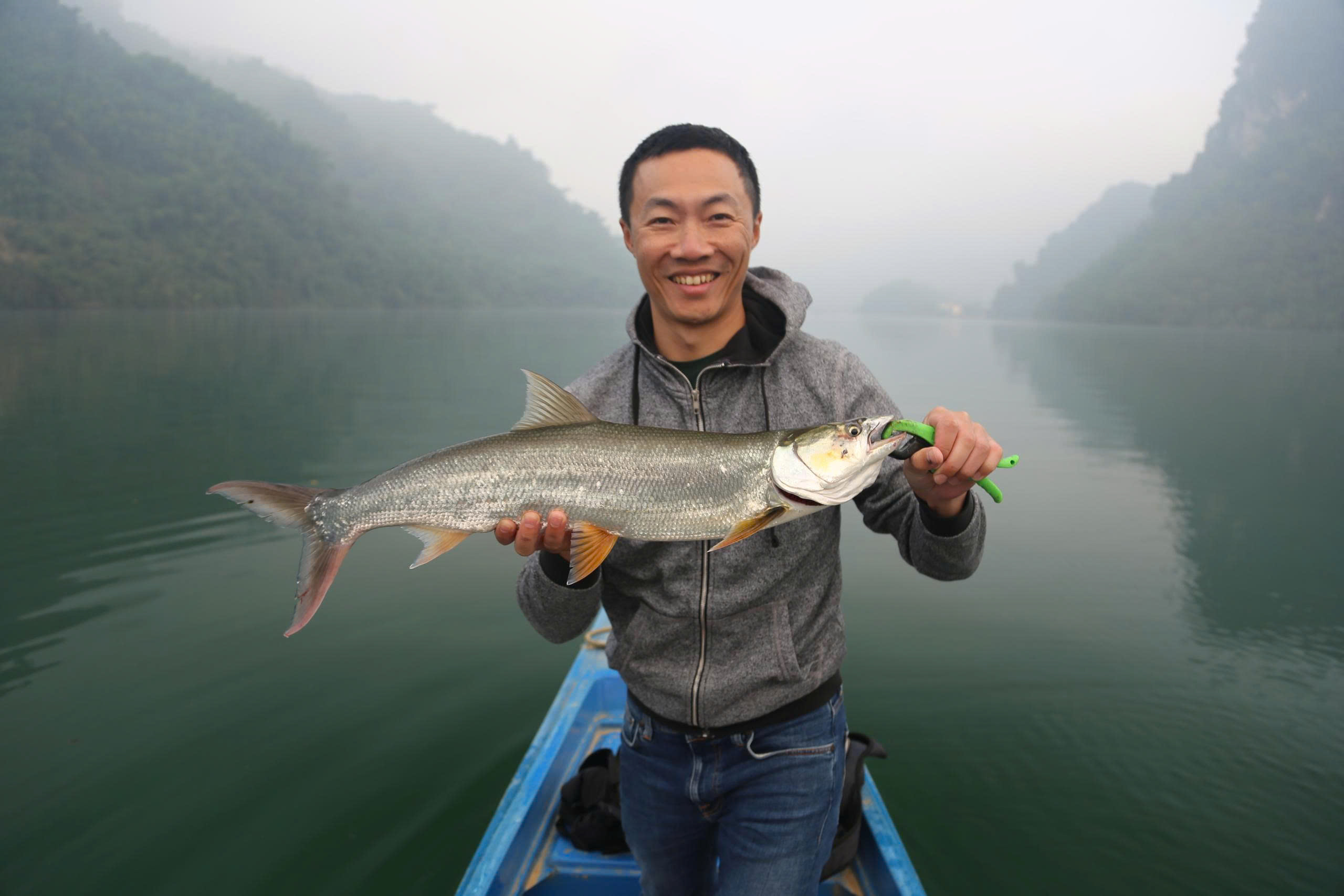
Other species provide action during April, but honestly, once you’ve seen yellowcheek potential, everything else feels like practice. Giant snakehead are getting active, but your mind keeps wandering to scanning for feeding signs and listening for that distinctive crash that means the real fishing is starting.
→ Ask about spring availability: Hanoi Fishing Tours
May delivers the Da river’s first consistent yellowcheek action as water temperatures stabilize in the 25-27°C range that triggers aggressive feeding behavior. This is when the legendary surface feeding displays become regular occurrences, transforming the river from a beautiful fishing location into something approaching a wildlife spectacle.
The upstream areas reach optimal clarity and flow during May as spring runoff settles into the clear, flowing water that yellowcheek carp prefer for hunting baitfish. These sections offer the Da river kanyu experience – schools of massive fish creating feeding frenzies visible and audible from great distances.
Traditional yellowcheek techniques become consistently effective during May as fish behavior becomes predictable enough to pattern successfully. Large topwater lures worked over feeding schools produce spectacular strikes, while live bait fishing in known holding areas provides shots at the largest specimens. However, success requires understanding these fish’s intelligence – they adapt quickly to pressure and will abandon areas that see too much activity.
→ Book peak kanyu season: Kanyu yellowcheek carp lure fishing from Hanoi
Summer peak (June-August): Prime time and expeditions
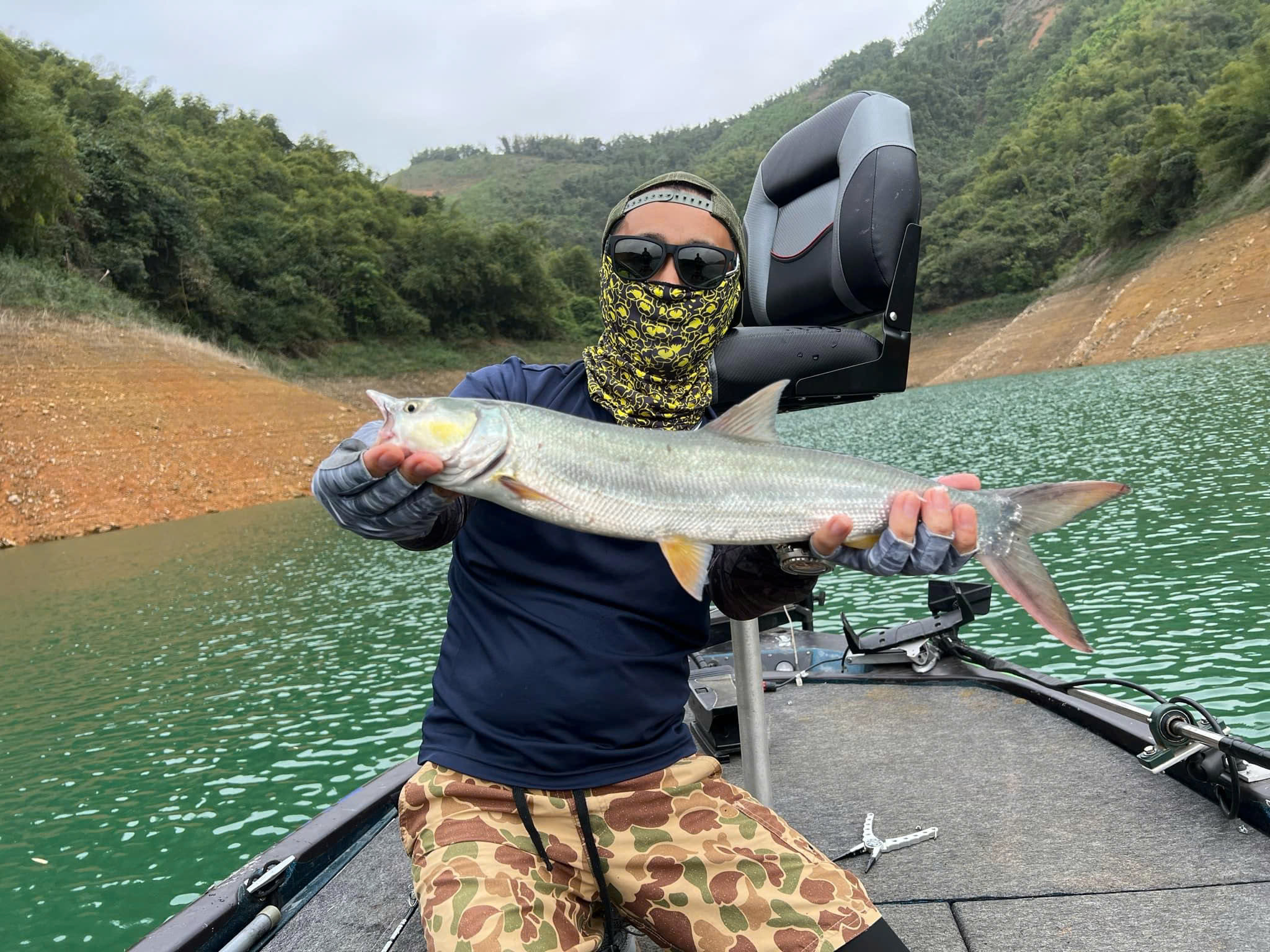
June – Yellowcheek perfection represents peak yellowcheek season on the Da river as optimal water temperatures combine with maximum baitfish activity to create feeding conditions that attract serious anglers from across Asia. The 26-28°C water temperature triggers the cooperative hunting behavior that makes these fish legendary, while stable weather patterns make success more predictable than during transition seasons.
Early morning hours become absolutely critical during June as schools of kanyu establish feeding patterns around dawn that may continue for hours if left undisturbed. The sound of feeding yellowcheek carp that distinctive crashing and splashing, carries across calm morning water like a dinner bell for specialist anglers who understand how to approach and fish these schools effectively.
Technique specificity reaches its peak importance during June as educated fish become increasingly selective about presentations. The most successful specialists constantly adapt lure selection, retrieve patterns, and approach strategies based on daily fish behavior and pressure from other anglers. Custom modifications to proven lures often outperform standard presentations as fish learn to avoid commonly used patterns.
Other species remain active during June, but honestly, when yellowcheek are feeding consistently, everything else becomes background noise. Giant snakehead might be crushing topwaters, but when you hear yellowcheek feeding in the distance, nothing else matters.
→ Secure June dates early: Kanyu yellowcheek carp trip
July-August, when monsoon season creates the ultimate test for yellowcheek obsession as challenging conditions separate casual enthusiasts from true believers. Heavy rains may scatter schools temporarily and reduce the spectacular surface feeding that characterizes peak season, but post-storm conditions frequently trigger some of the most intensive feeding events of the year.
This is when yellowcheek hunting becomes adventure fishing. Weather changes rapidly, water levels fluctuate, and feeding patterns shift daily. But for anglers willing to adapt, monsoon season often produces the year’s most memorable yellowcheek encounters as reduced pressure allows fish to feed more predictably in areas that see heavy traffic during optimal conditions.
Extended expeditions become practical during monsoon season as challenging weather discourages casual anglers while creating opportunities for dedicated yellowcheek hunters willing to wait out storms for brief windows of perfect conditions. Some of my most successful yellowcheek sessions happened during 30-minute calm periods between monsoon storms.
Water level changes during monsoon create temporary habitat that yellowcheek exploit aggressively. Flooded vegetation provides new hunting areas while changing current patterns concentrate baitfish in predictable locations. Understanding how monsoon conditions affect yellowcheek behavior often provides advantages that persist long after weather improves.
→ Enquire about expedition logistics: Hanoi Fishing Tours
→ Monitor storms and flow: Windy
Autumn excellence (September-November)
September marks the transition from monsoon challenges back to the clear water conditions that make the Da river legendary for sight fishing opportunities. The month typically begins with elevated water levels and reduced visibility from late summer rains, but ends with crystal-clear conditions that provide some of the year’s most exciting fishing.
Yellowcheek carp activity resumes as water temperatures drop from summer peaks back toward the 24-26°C range that promotes maximum feeding aggression. Schools that may have scattered during the most challenging monsoon conditions begin reforming and establishing the feeding patterns that make autumn the second-best season for kanyu hunting.
The improved water clarity allows sight fishing opportunities that add visual excitement to technical success. Watching massive yellowcheek carp follow lures, studying their feeding behavior, and adapting presentations based on fish response creates learning opportunities impossible during poor visibility periods.
→ Pair with a Hanoi base: Hanoi fishing tours
October consistently delivers the Da river’s finest yellowcheek fishing as perfect weather conditions align with peak fish activity. The 23-25°C water temperatures trigger maximum feeding aggression while clear skies and stable weather create ideal conditions for the surface feeding displays that define world-class kanyu fishing.
Every specialized technique becomes highly effective during October. Topwater lures produce explosive strikes during extended feeding periods throughout the day rather than just dawn and dusk windows. Live bait presentations attract trophy specimens that may be more selective during other seasons, while trolling helps locate active schools efficiently across large areas.
October also provides the best opportunities for combining yellowcheek hunting with other species as stable conditions keep everything active simultaneously. Giant snakehead remain aggressive, and other species provide backup opportunities without compromising yellowcheek focus. Many specialists consider October the optimal learning month for developing Da river-specific skills.
→ Reserve prime October slots: Kanyu Yellowcheek Carp Lure Fishing from Hanoi
November extends autumn excellence while beginning the gradual transition toward winter patterns. Water temperatures remain optimal for yellowcheek activity while often triggering increased feeding urgency as fish prepare for cooler months ahead. This combination frequently produces the season’s largest fish as trophy specimens become more aggressive in their feeding patterns.
Late-season fishing patterns often favor traditional techniques over active presentations as fish behavior becomes more predictable and concentrated around key structural features. Patient live bait fishing in known holding areas frequently outproduces active lure fishing, though both approaches remain effective when properly matched to daily conditions.
→ Discuss winter expeditions: Hanoi fishing tours
Winter specialization (December-February)
December-January: Extended expedition prime time, transforms the Da river from yellowcheek paradise into monster catfish headquarters as cooling water temperatures shift the focus toward the extended expeditions required for asian red tail and goonch success. The comfortable camping conditions and reduced angling pressure create ideal environments for the multi-day commitments these species demand.
Other species remain active during winter, providing opportunities for maintaining skills while yellowcheek rest in deep water refugia. Red-tail catfish fishing peaks during winter months, giant snakehead remain catchable using specialized techniques, and bottom species provide action during the yellowcheek off-season.
This is equipment preparation season – custom lure modifications, tackle upgrades, and technique development that will provide advantages during peak yellowcheek periods. The most successful yellowcheek specialists use winter months for continuous improvement rather than simply waiting for better conditions.
February begins the gradual shift from specialized catfish focus back toward yellowcheek preparation as increasing daylight and occasional warm weather preview spring conditions ahead. However, monster catfish remain productive throughout February, often providing some of the year’s most memorable encounters as reduced pressure allows giants to feed more predictably.
Other species fishing remains productive during February while serving as preparation for yellowcheek techniques. Giant snakehead provide topwater practice, while understanding how different species use the same structure builds knowledge that improves yellowcheek success when feeding activity resumes.
Yellowcheek equipment and techniques
Specialized yellowcheek gear
Yellowcheek fishing demands equipment capable of handling fish that commonly exceed 25kg and regularly reach 40-50kg during optimal conditions. This isn’t bass fishing with bigger hooks, it’s big game fishing that requires specialized equipment designed for extended battles with intelligent, powerful opponents.
Rod selection emphasizes power over finesse. Heavy-action rods in the 7.5-8.5 foot range provide backbone needed for controlling massive fish while maintaining sensitivity for detecting often-subtle yellowcheek takes. These fish don’t always slam lures – sometimes the take feels like snagging bottom until the bottom starts swimming away.
Reel systems must provide smooth, powerful drag capable of sustained pressure during battles that may exceed 30 minutes with trophy specimens. Large spinning reels (6000-8000 size) or conventional reels with similar capacity provide reliability and power required. Drag systems get tested to their limits when 40kg fish decide they want to be somewhere else immediately.
Line selection balances strength with stealth requirements imposed by clear water and intelligent fish. 50-80lb braid main line with 40-60lb fluorocarbon leaders provides strength needed while maintaining invisibility crucial for spooky yellowcheek. These fish examine presentations carefully before committing.
Lure selection and modification
Large topwater lures (15-20cm) create surface disturbance that attracts feeding schools while triggering strikes from individual fish around feeding areas. But here’s what took me years to learn: standard lures rarely stay effective long enough to justify their cost. Yellowcheek learn patterns too quickly.
Custom modifications often outperform expensive factory lures. Hook changes, weight adjustments, noise additions, color modifications, successful yellowcheek specialists constantly adapt lures based on fish response and pressure levels. What worked yesterday may be useless today if fish have seen it too much.
Color selection varies dramatically based on conditions, time of day, and fish behavior. Natural baitfish patterns generally outperform bright attractors, but local conditions often require specific color combinations that change seasonally. Understanding when to use which colors separates consistent success from random luck.
Advanced yellowcheek techniques
Success with yellowcheek requires understanding their pack hunting behavior rather than treating them like individual fish. Schools coordinate hunting strategies, communicate feeding opportunities, and execute feeding plans that require angler adaptation rather than rigid technique application.
Learning to read pre-feeding behavior – baitfish movement patterns, subtle surface disturbances, changes in bird activity – allows positioning for success before feeding events become obvious to other anglers. The best yellowcheek anglers predict feeding activity rather than simply reacting to it.
Positioning and Approach Yellowcheek school fishing demands understanding wind, current, and fish movement patterns to position for optimal casting angles before feeding begins. Poor positioning wastes opportunities that may not repeat for hours or days.
Approach strategies vary based on feeding intensity, fish behavior, and pressure levels. Sometimes aggressive positioning produces best results, while other conditions require patient waiting and subtle approaches. Understanding when to use which strategy develops through experience rather than instruction
Planning your Da river adventure
Seasonal timing for maximum success

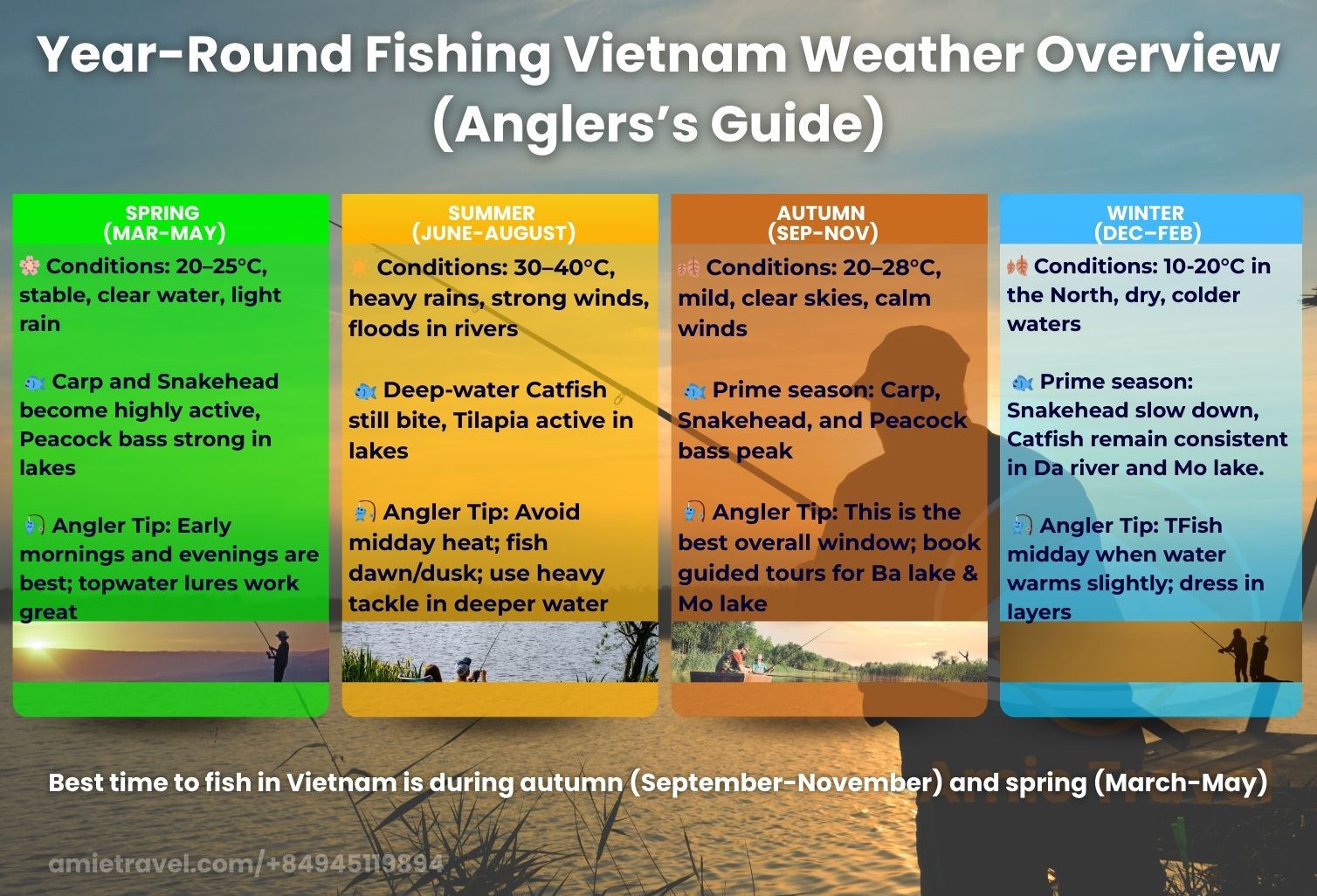
Peak yellowcheek seasons: May-June and September-October provide optimal conditions for experiencing peak yellowcheek feeding behavior. These periods offer the best combination of fish activity, weather conditions, and water clarity that makes specialized kanyu hunting most effective.
March-April and November provide excellent opportunities for developing yellowcheek skills while experiencing feeding activity without peak season intensity. These periods build understanding that dramatically improves success during optimal conditions.
Yellowcheek hunting expeditions (minimun3-5 days) Serious yellowcheek hunting requires minimum 3-5 days commitments to allow for weather contingencies, fish location time, and multiple opportunities for encountering feeding schools. Peak season conditions provide most consistent opportunities while shoulder seasons offer excellent fishing with reduced pressure.
Guide selection for Yellowcheek success
Da river’s yellowcheek complexity requires guides with specialized knowledge developed through years of focused experience rather than general fishing expertise. Yellowcheek specialists understand fish behavior patterns, seasonal movements, and technique adaptations that dramatically improve success rates.
Quality yellowcheek guides provide specialized equipment and boat suited to kanyu hunting while teaching technique adaptations developed specifically for Da river conditions. This support reduces learning curves while maximizing fishing time efficiency during limited expedition windows.
→ Speak with a local guide team here
FAQ
1.When is the best time to fish the Da river?
The Da river offers two peak fishing windows: spring (March-May) when yellowcheek carp begin aggressive feeding, and autumn (September-November) when post-monsoon clarity brings explosive action.
2. What species can anglers target in the Da river?
The river is popular for yellowcheek carp (kanyu), but sometimes you also can catch giant red tail catfish up to 60kg, and legendary goonch catfish that may exceed 100kg. Supporting species include grass carp and silver carp.
3. Do I need a fishing guide for the Da river?
Yes. The Da river’s scale, current patterns, and species behavior require local knowledge. Professional guides provide access to proven techniques, safe navigation, and the best seasonal timing.
4. Is the Da river suitable for beginners?
Trophy fishing (red tail and goonch) requires heavy gear, patience, and usually multi-day expeditions. This adventure is more suitable to experienced anglers, we recommend you to join a day trip fishing in Hanoi.
5. How far is the Da river from Hanoi?
The most productive stretch for trophy fishing lies about 70 km west of Hanoi, making it feasible for day trips while still feeling remote and wild.
Conclusion
The Da river offers fishing experiences impossible to find anywhere else in Vietnam or Southeast Asia. From the explosive surface feeding of yellowcheek carp schools to the ultimate challenge of monster catfish that may exceed 100kg, this river system provides opportunities for every level of serious freshwater angler.
Success here requires patience, preparation, and respect for fish that are both more intelligent and more challenging than typical recreational fishing targets. However, for anglers willing to invest the time and effort required to master Da river techniques, the rewards include some of freshwater fishing’s most spectacular experiences and the potential for truly legendary fish.
The Da river isn’t for everyone, it demands more commitment, better equipment, and greater patience than casual fishing destinations. But for serious anglers seeking Vietnam’s ultimate freshwater fishing challenge, no destination compares to the experiences waiting on this legendary river system.
Contact Us
Website: amietravel.com
Instagram: amietravel.vietnam/freshwaterfishing.lure
Email: info@amietravel.com
Hotline 24/7: + 84 945 11 9894
For broader Northern Vietnam fishing information, see our comprehensive Hanoi Area Fishing Guide